Costs of Long-Term Care and the Risk of Poverty Among Older Persons in Serbia
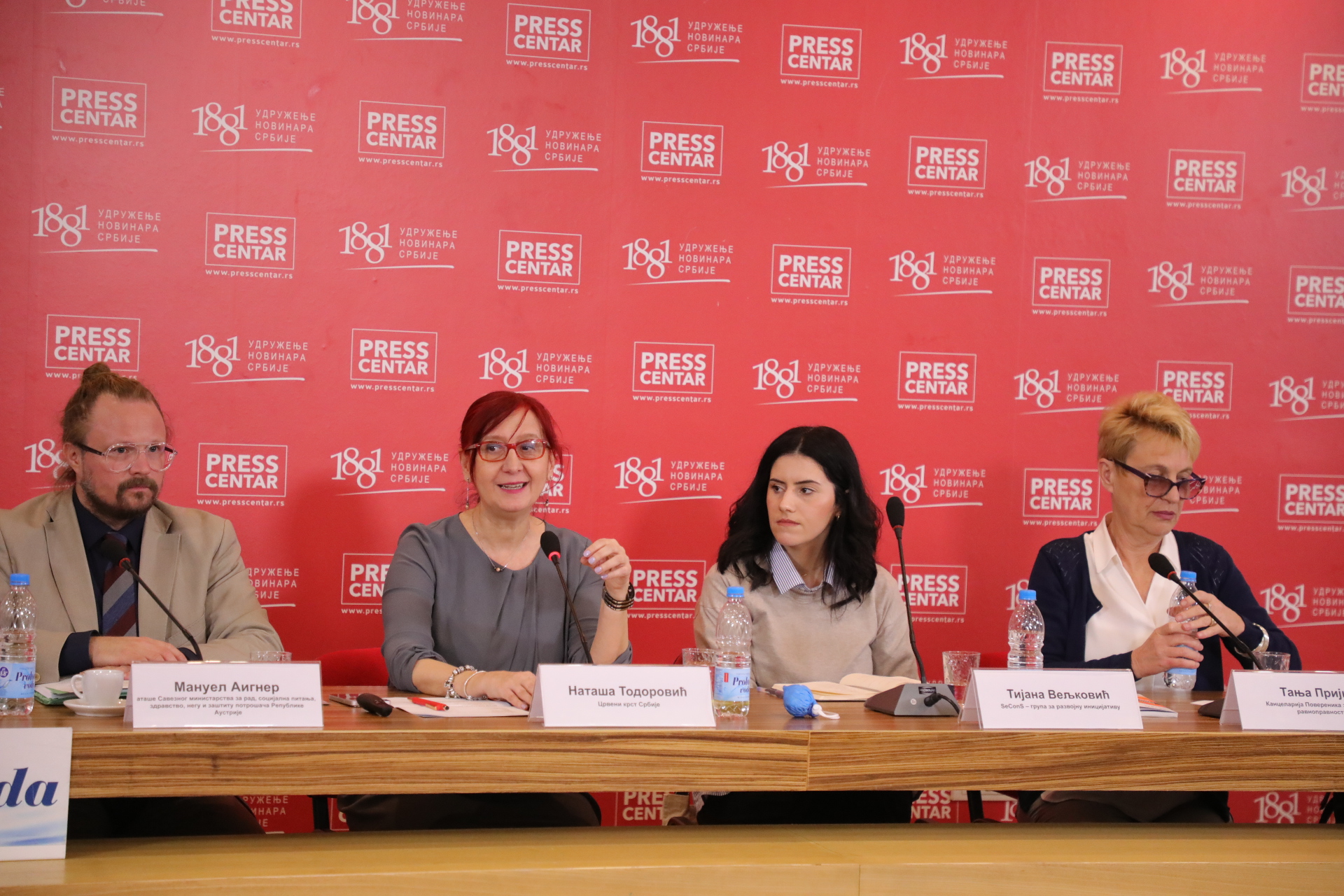
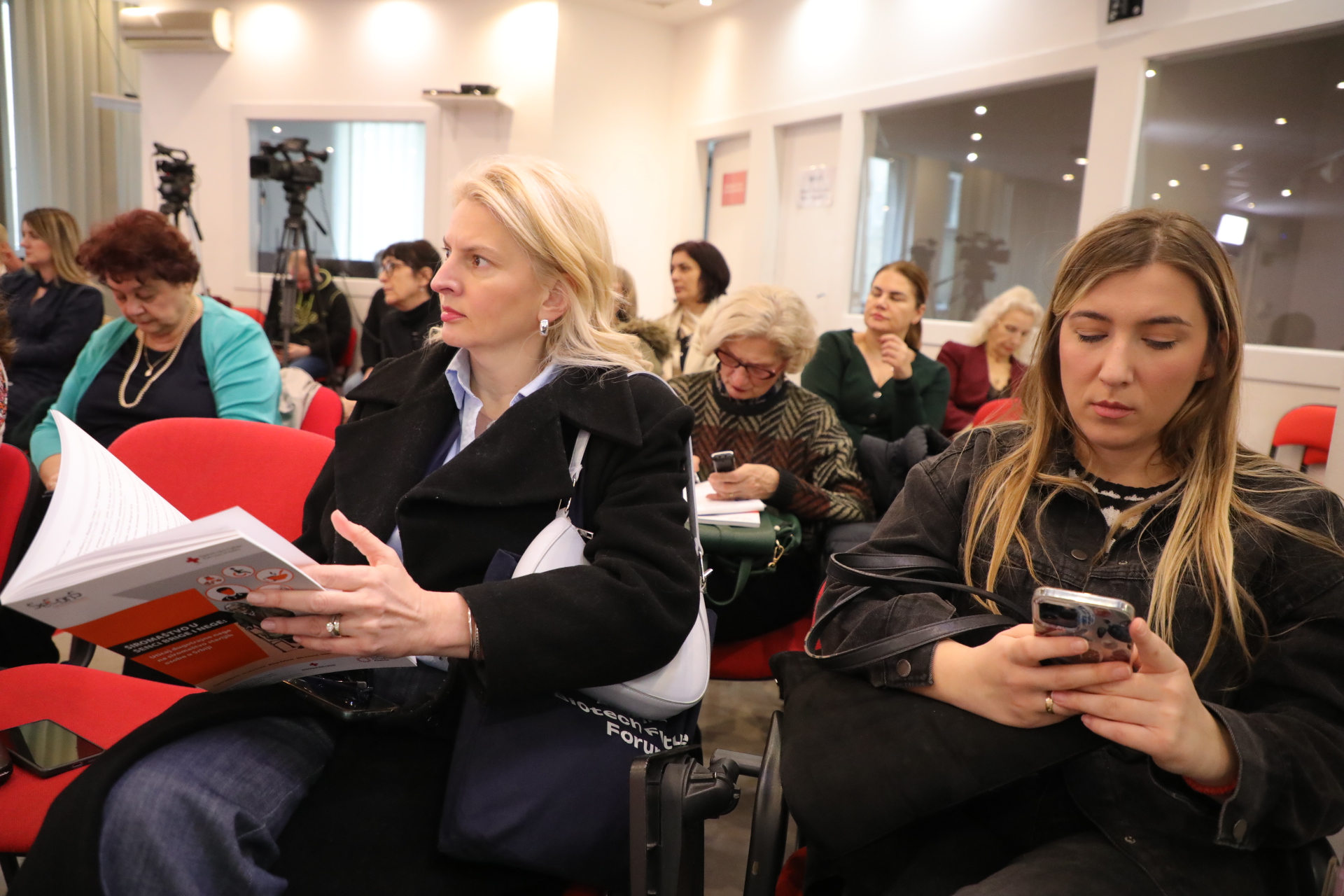
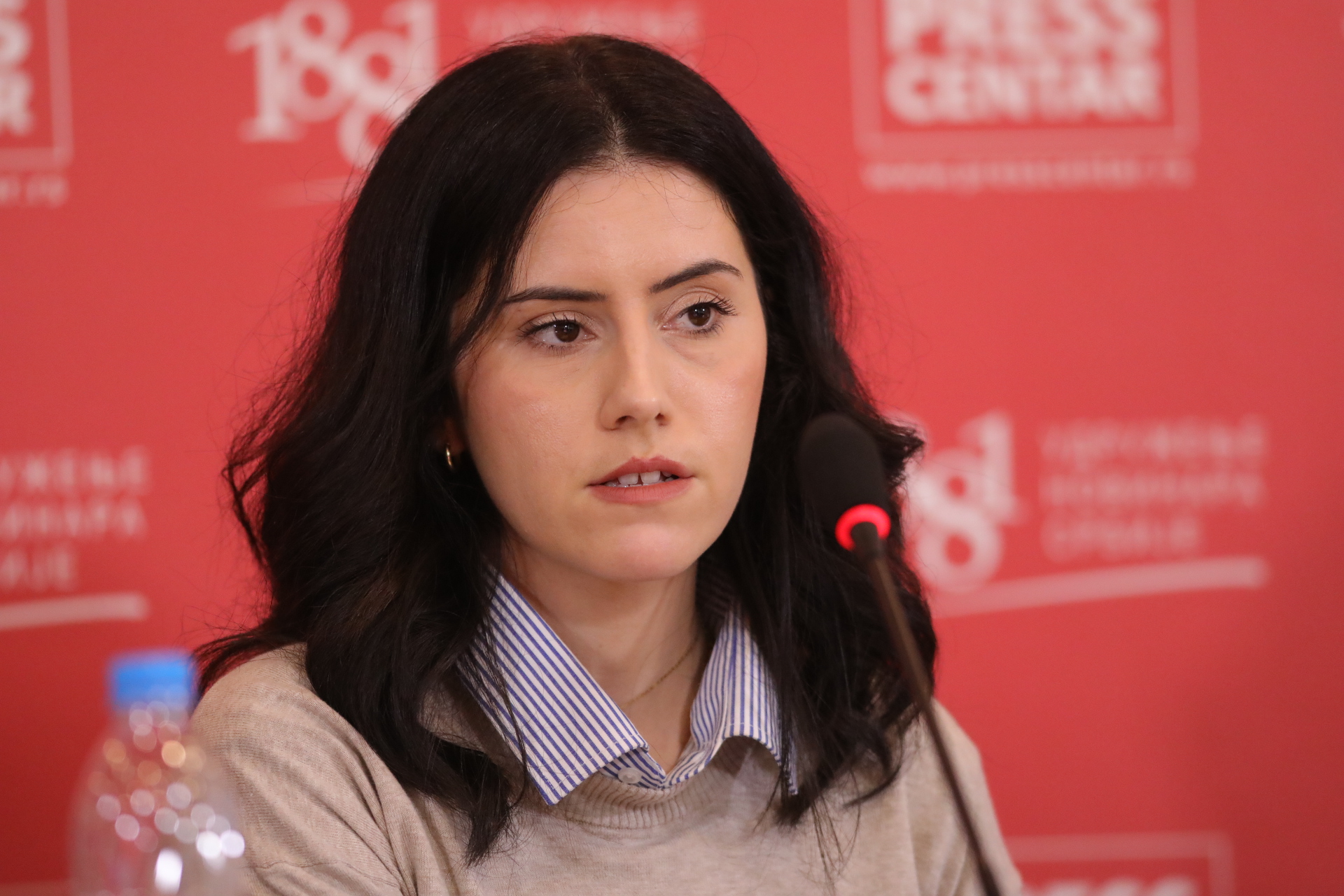
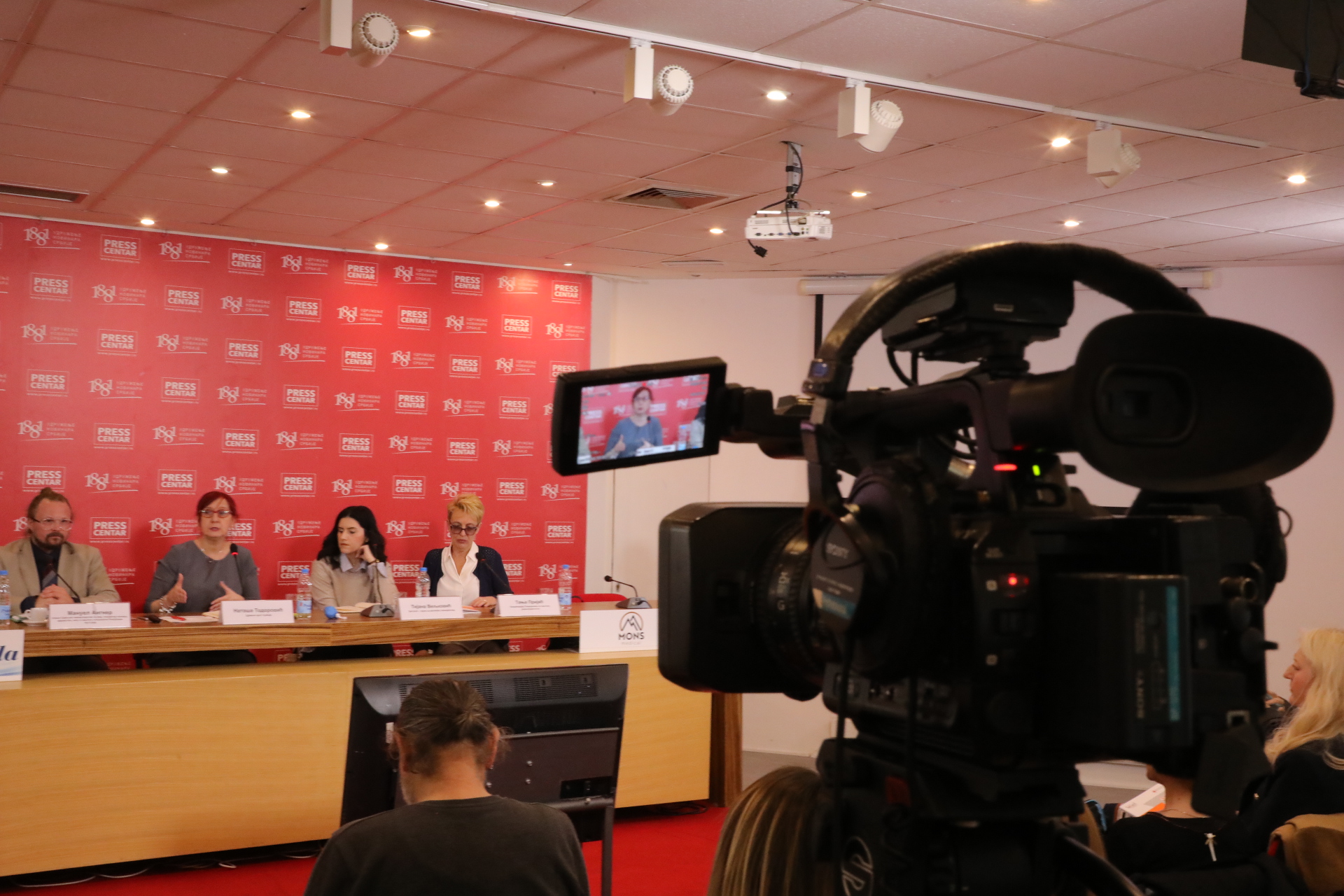
On 25 February 2026, a conference titled “Costs of Long-Term Care and the Risk of Poverty Among Older Persons in Serbia” was held at the Press Centre of the Journalists’ Association of Serbia. The conference presented the results of research conducted by SeConS – Development Initiative Group, in cooperation with the Red Cross of Serbia and the Austrian Red Cross, with the support of the Federal Ministry of Labour, Social Affairs, Health, Care and Consumer Protection of the Republic of Austria. The research was carried out within the project “Strengthening Access to Healthcare, Participation and Social Equality in the Western Balkans (SHAPE)”.
Speakers at the conference included:
- Natasa Todorovic, Red Cross of Serbia
- Tijana Valjkovic, SeConS
- Manuel Aigner, Attaché of the Federal Ministry of the Republic of Austria
- Tanja Prijic, office of the Commissioner for the Protection of Equality
The speakers emphasized that the costs of long-term care represent a serious financial burden for older persons and their families, particularly in the context of rising living costs and limited incomes.
Key Research Findings
The results show that:
- 8% of older persons rely exclusively on pensions as their main source of income.
- 34% of older persons had to reduce or give up spending on food, utilities, or medication in order to afford care.
- More than three quarters of older persons experience difficulties in performing daily activities.
- The majority rely on informal, unpaid support from family members, as formal services are often financially inaccessible.
Women, older persons living alone, and those in rural areas are particularly affected.
In conclusion, it was emphasized that poverty in old age is not merely a statistical indicator, but a reality that directly affects dignity and quality of life. The development of a sustainable and accessible long-term care system was identified as one of the key priorities for improving the position of older persons in Serbia.