Final Conference of the “Age Against the Machine” Project: Theatre as a Tool to Combat Ageism
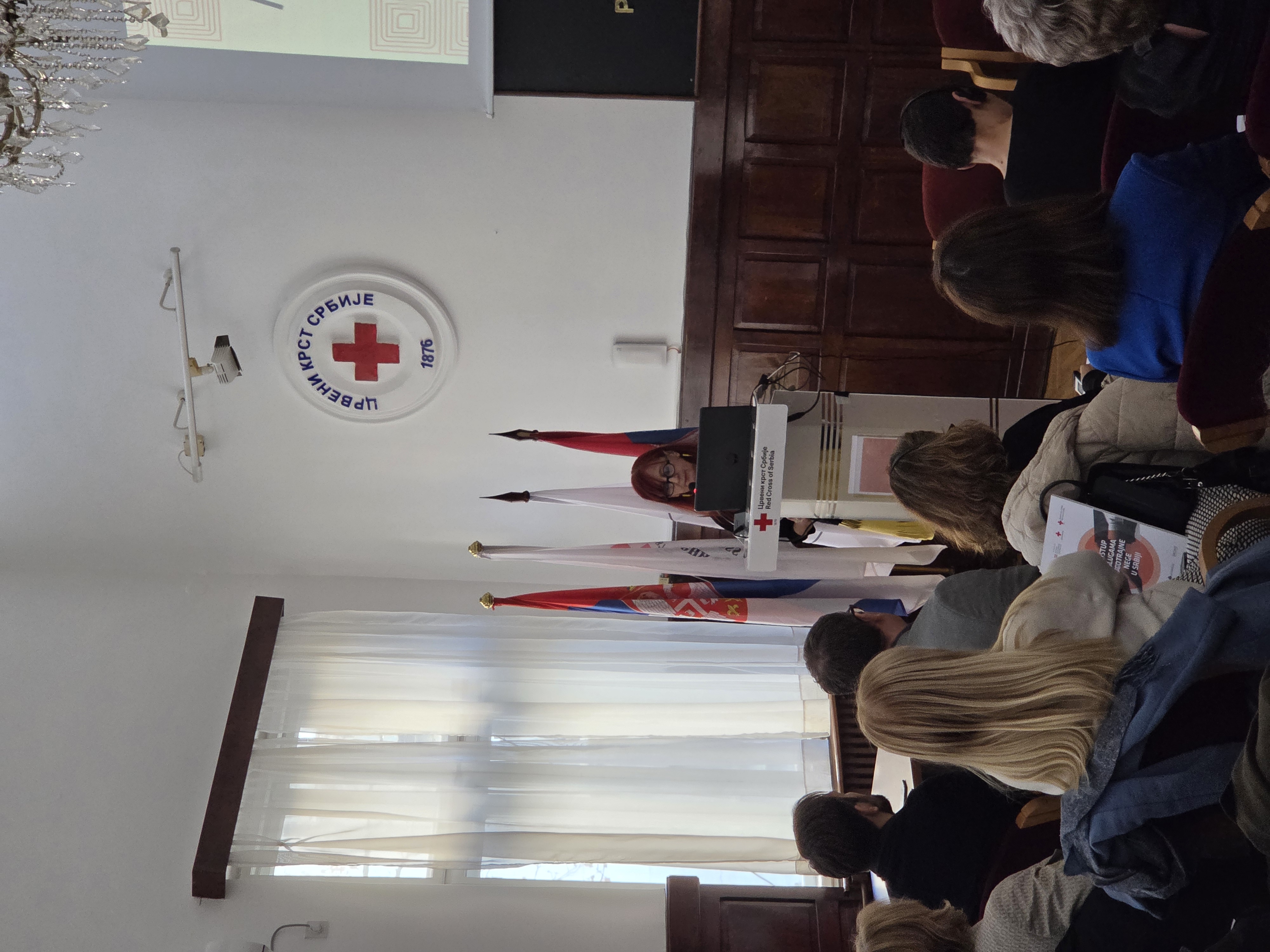
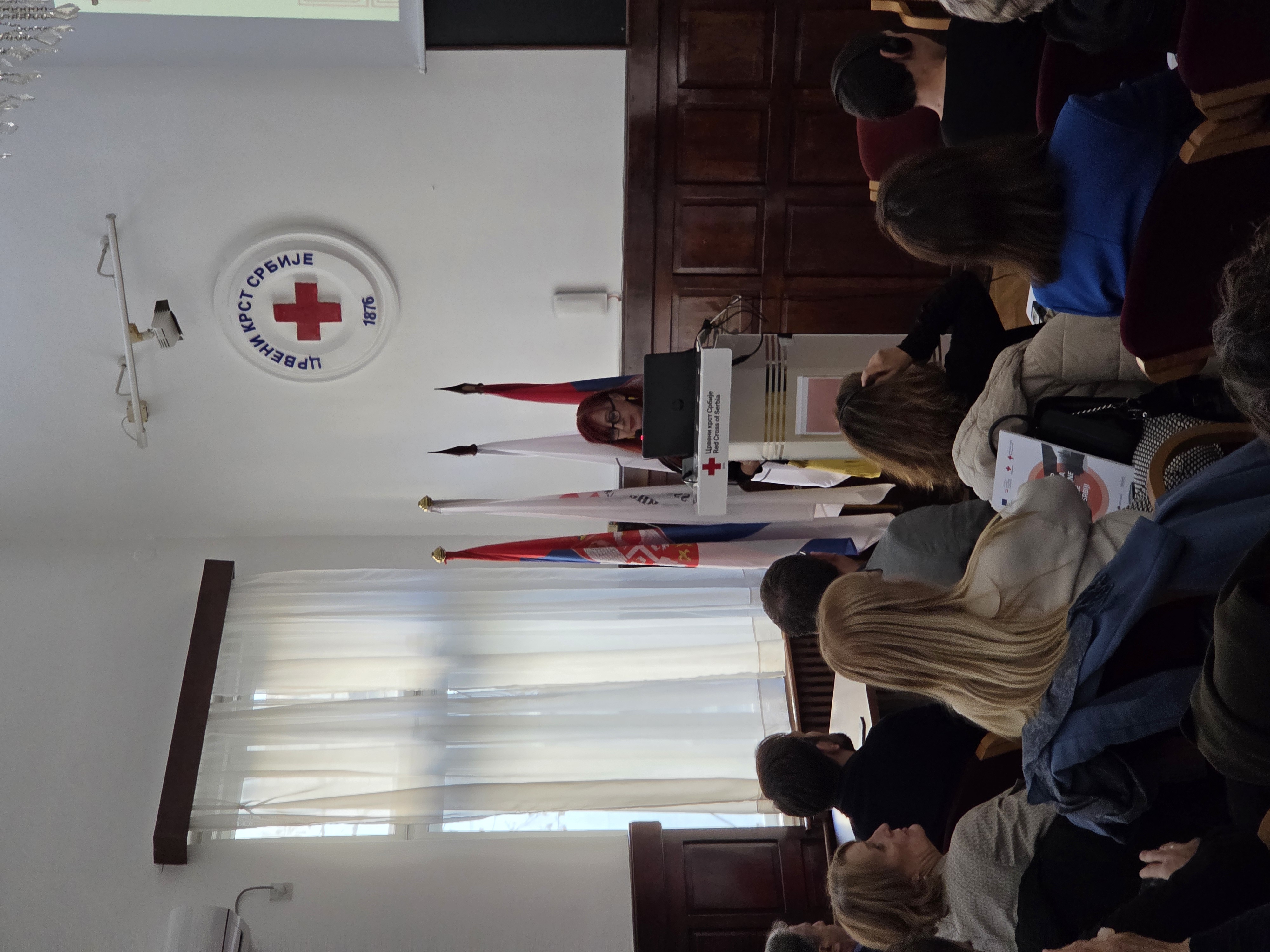
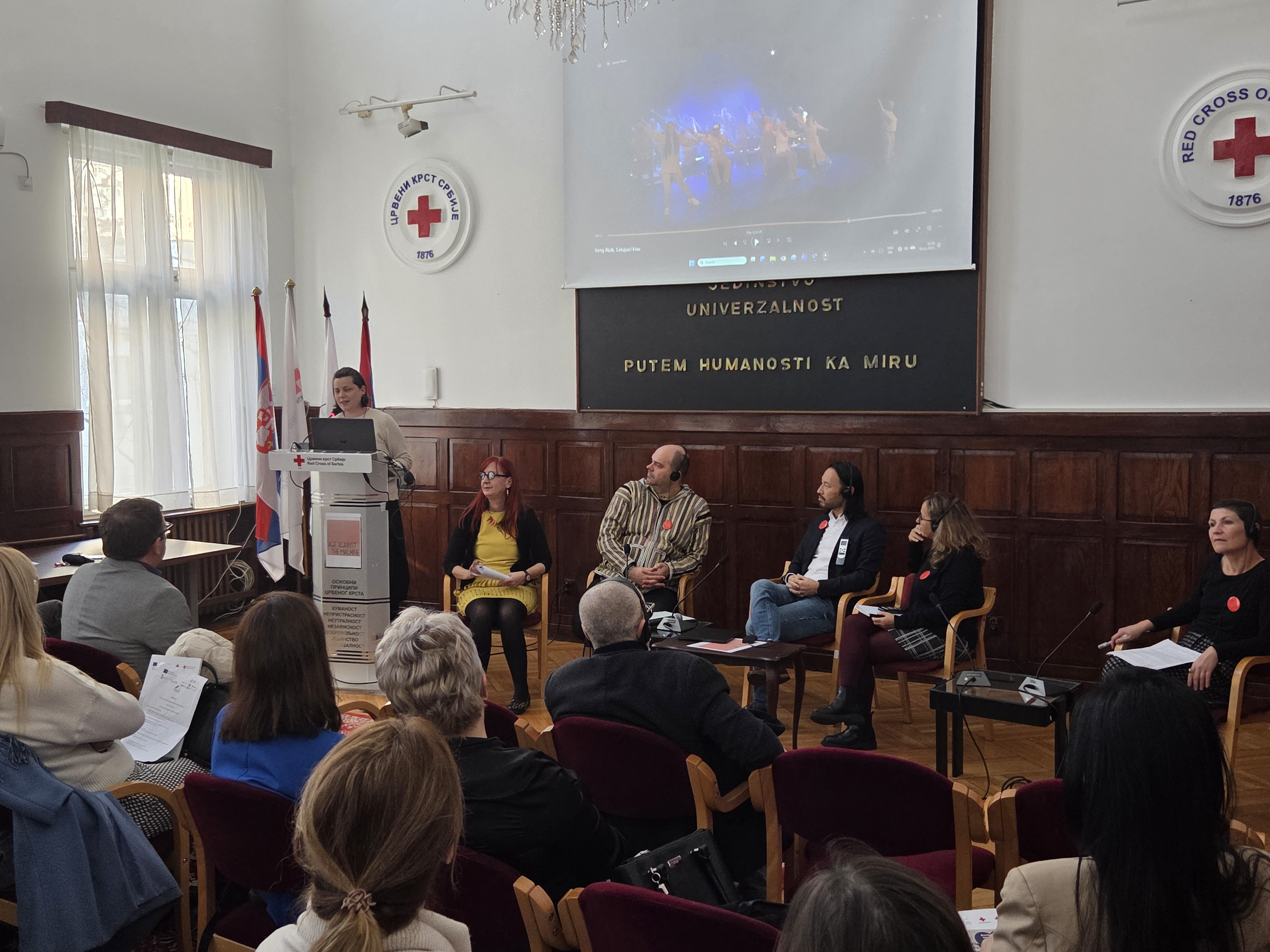
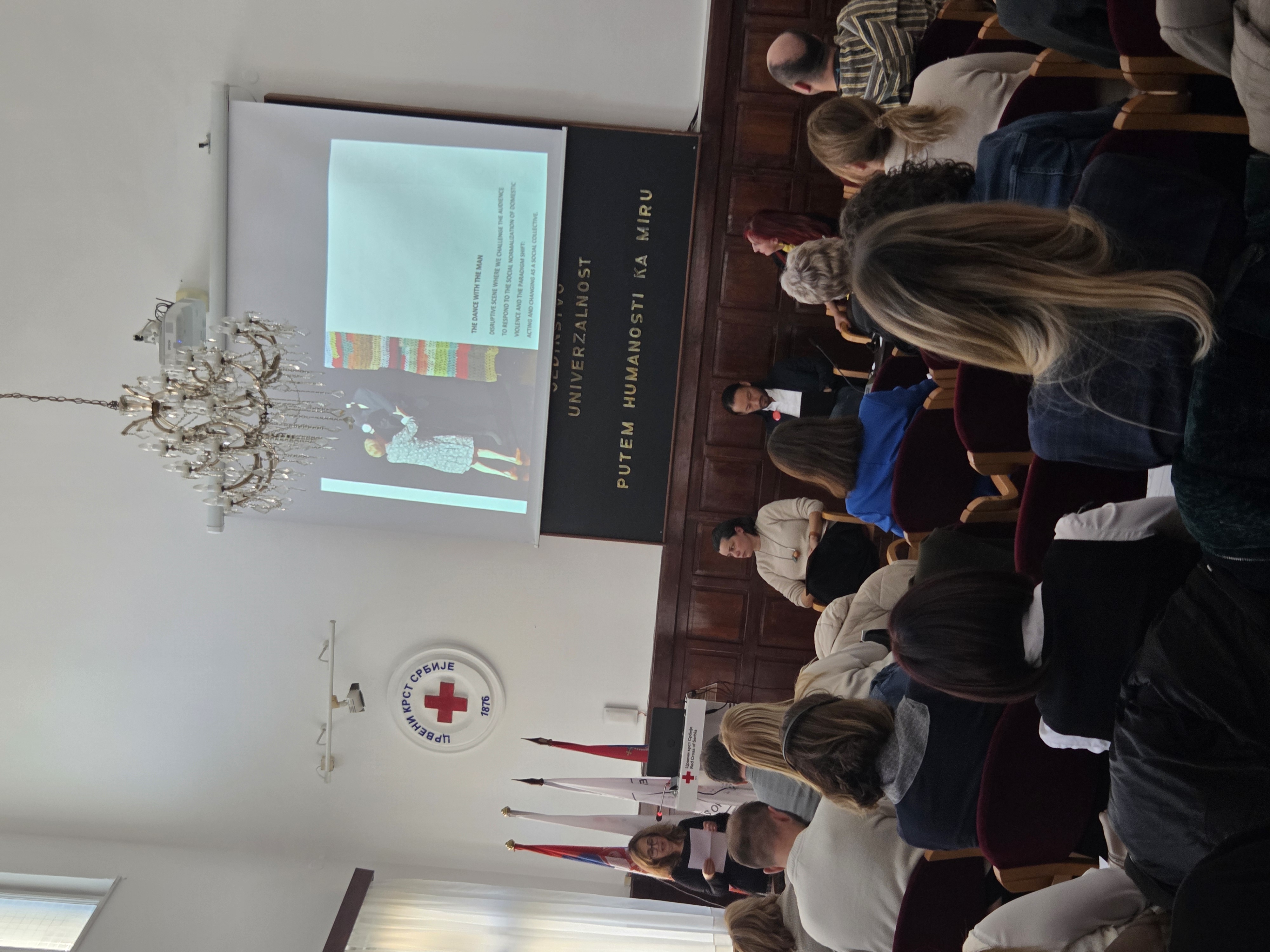
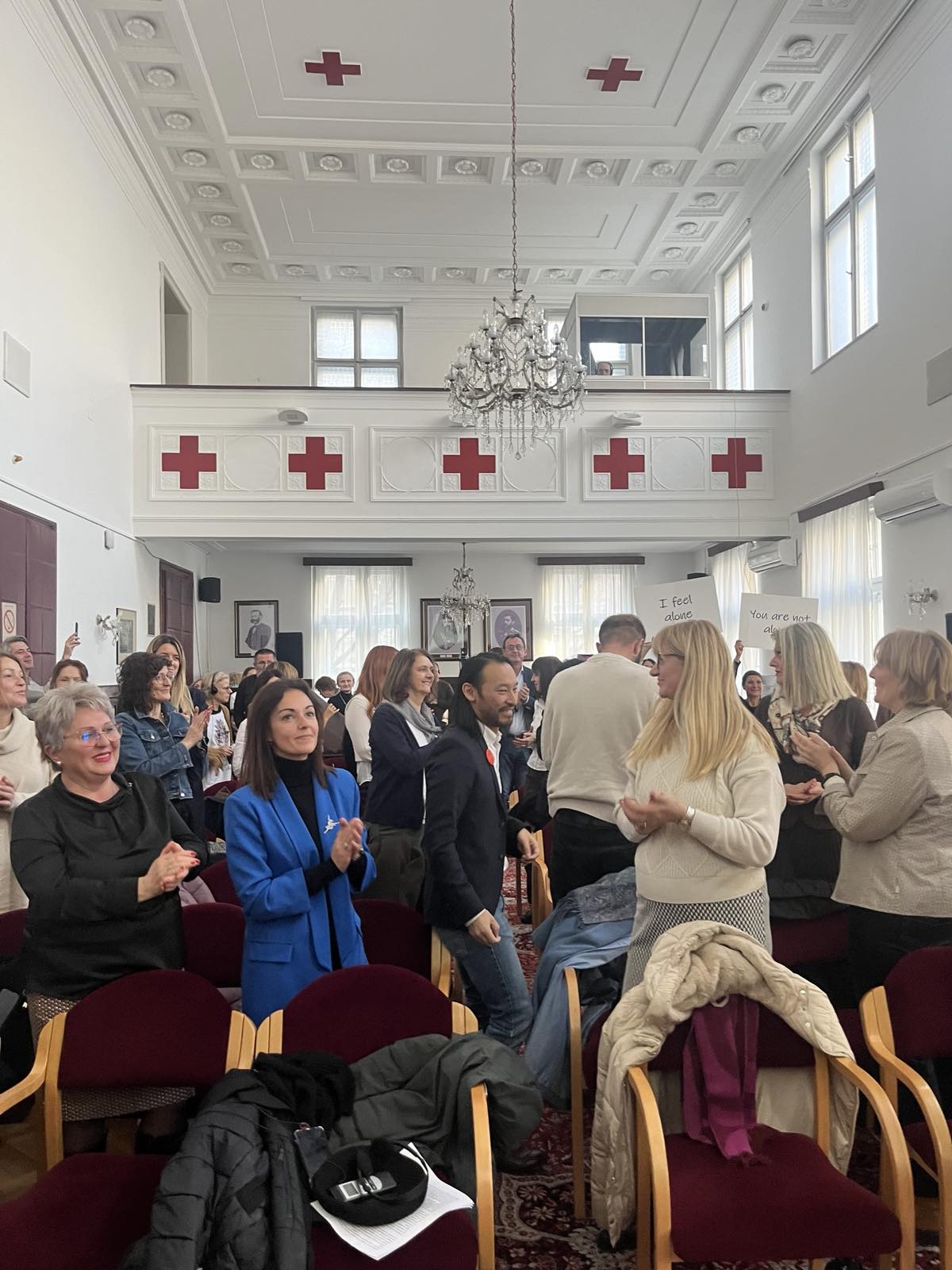
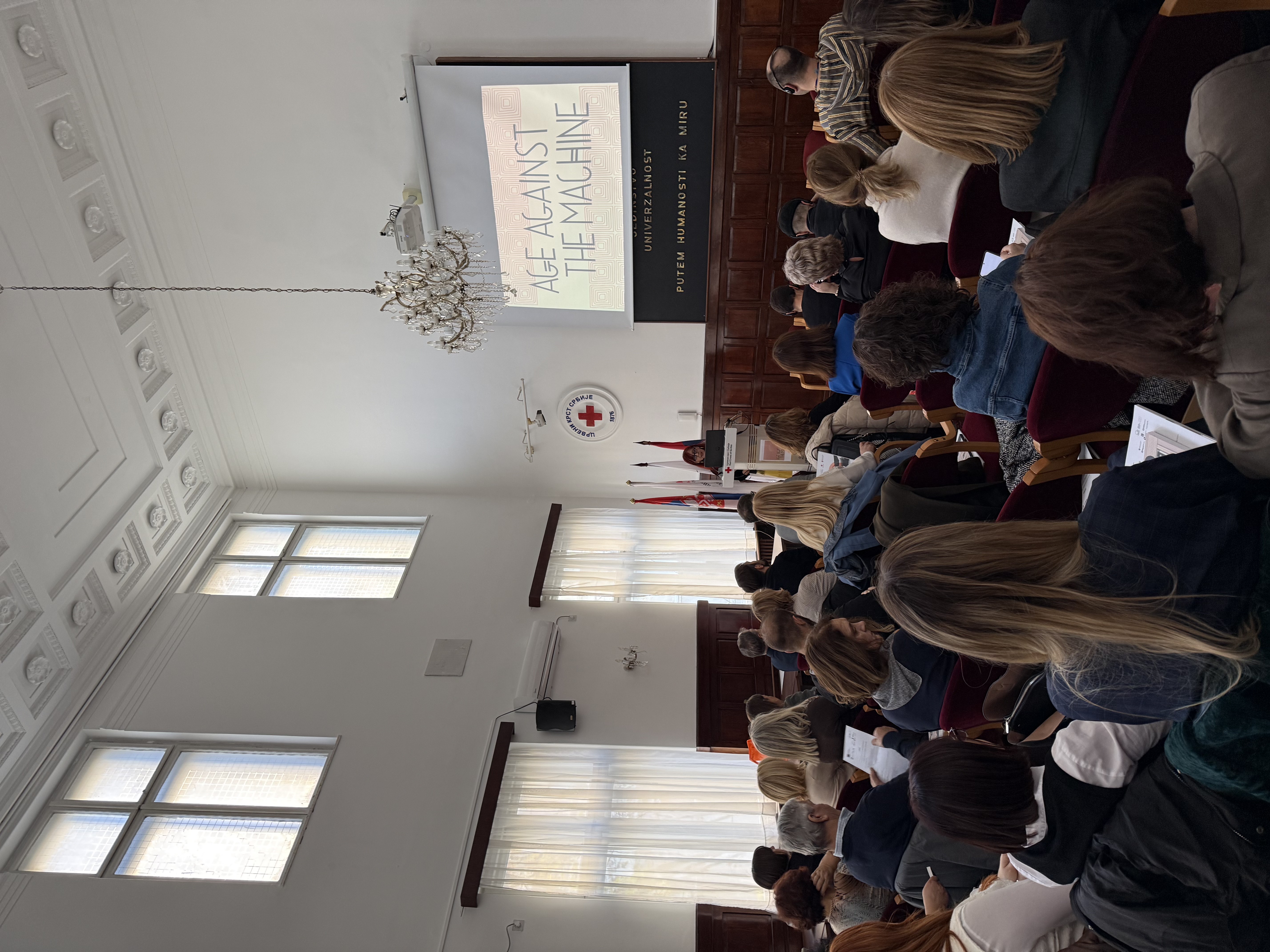
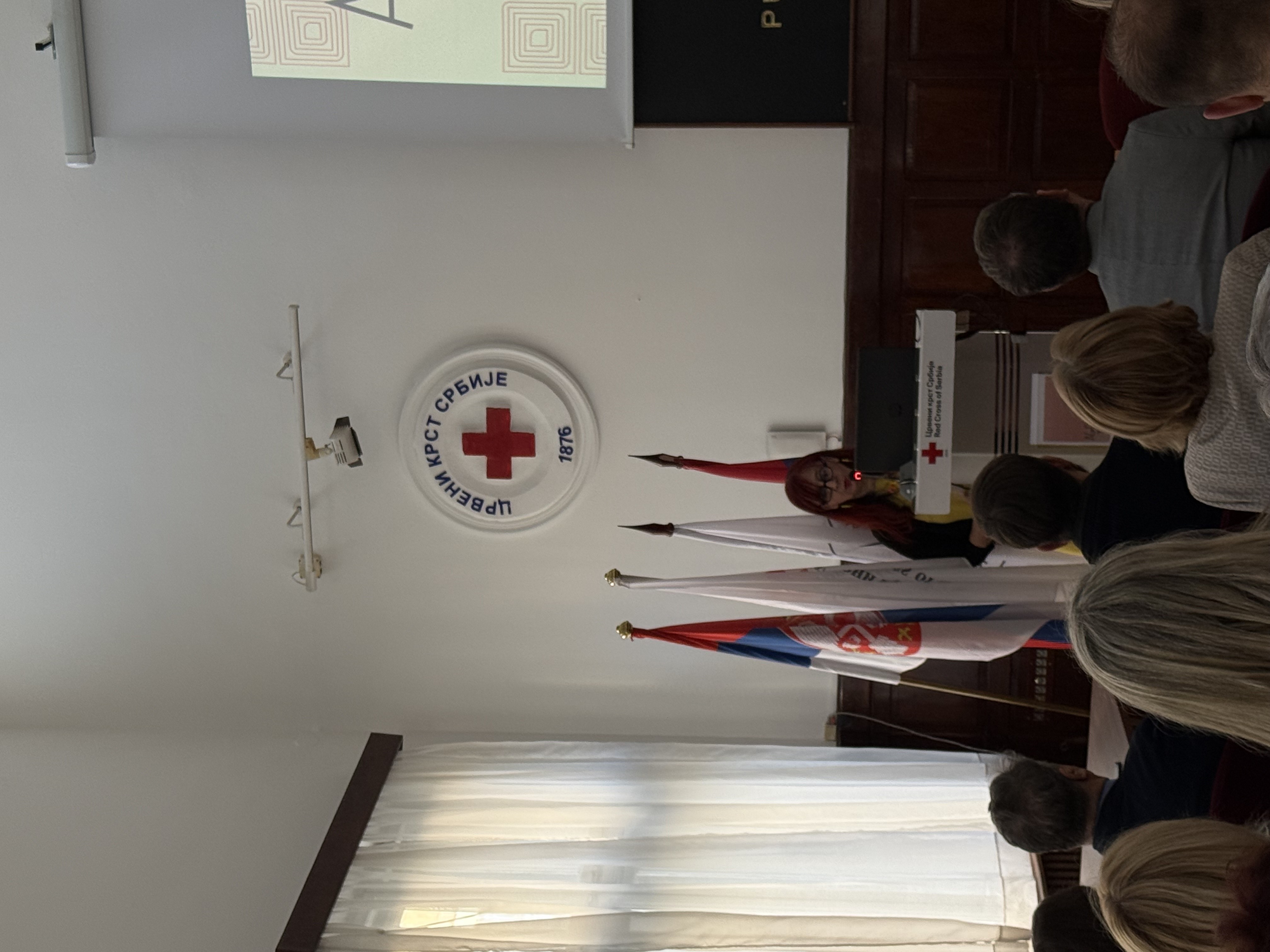
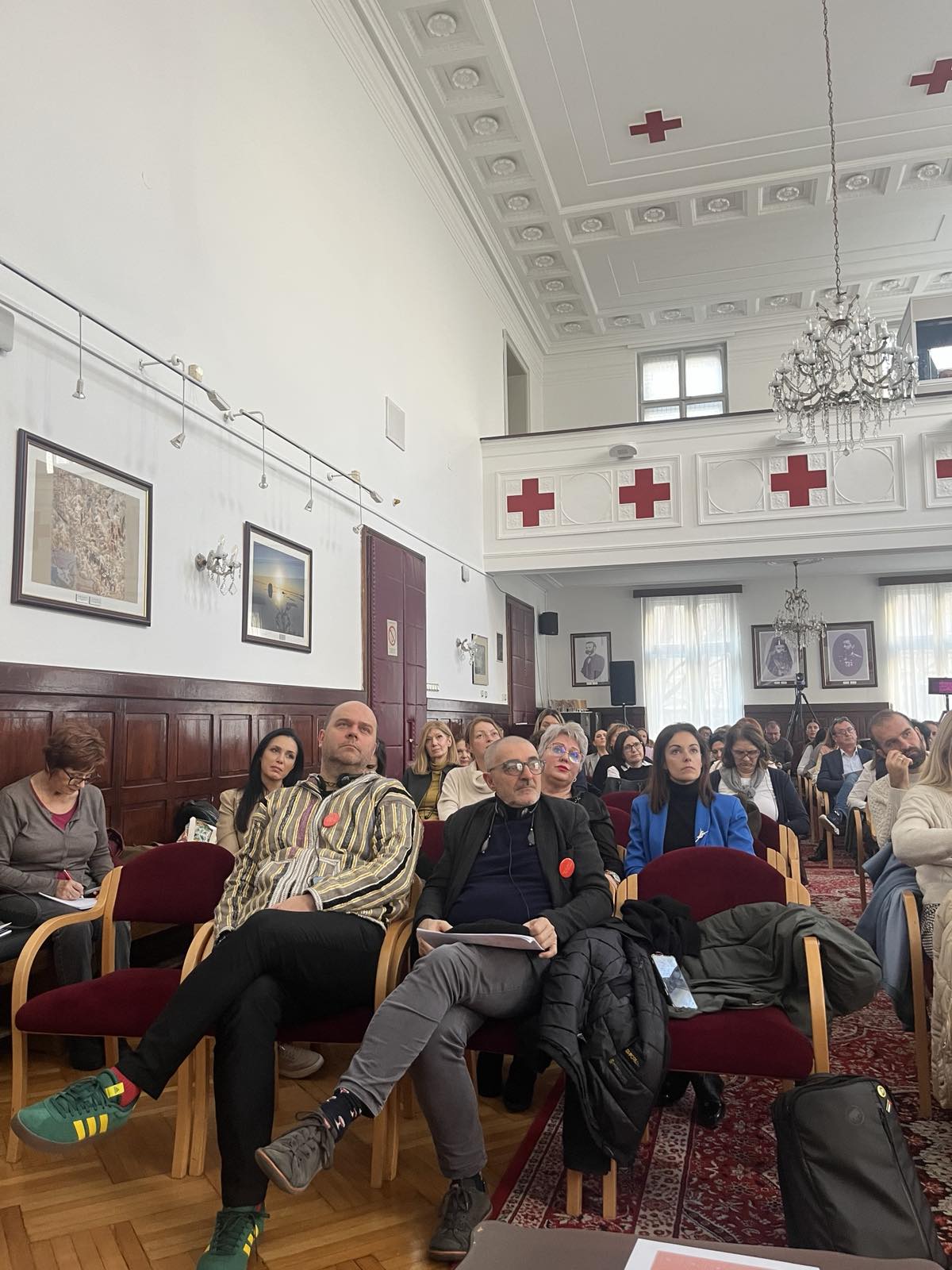
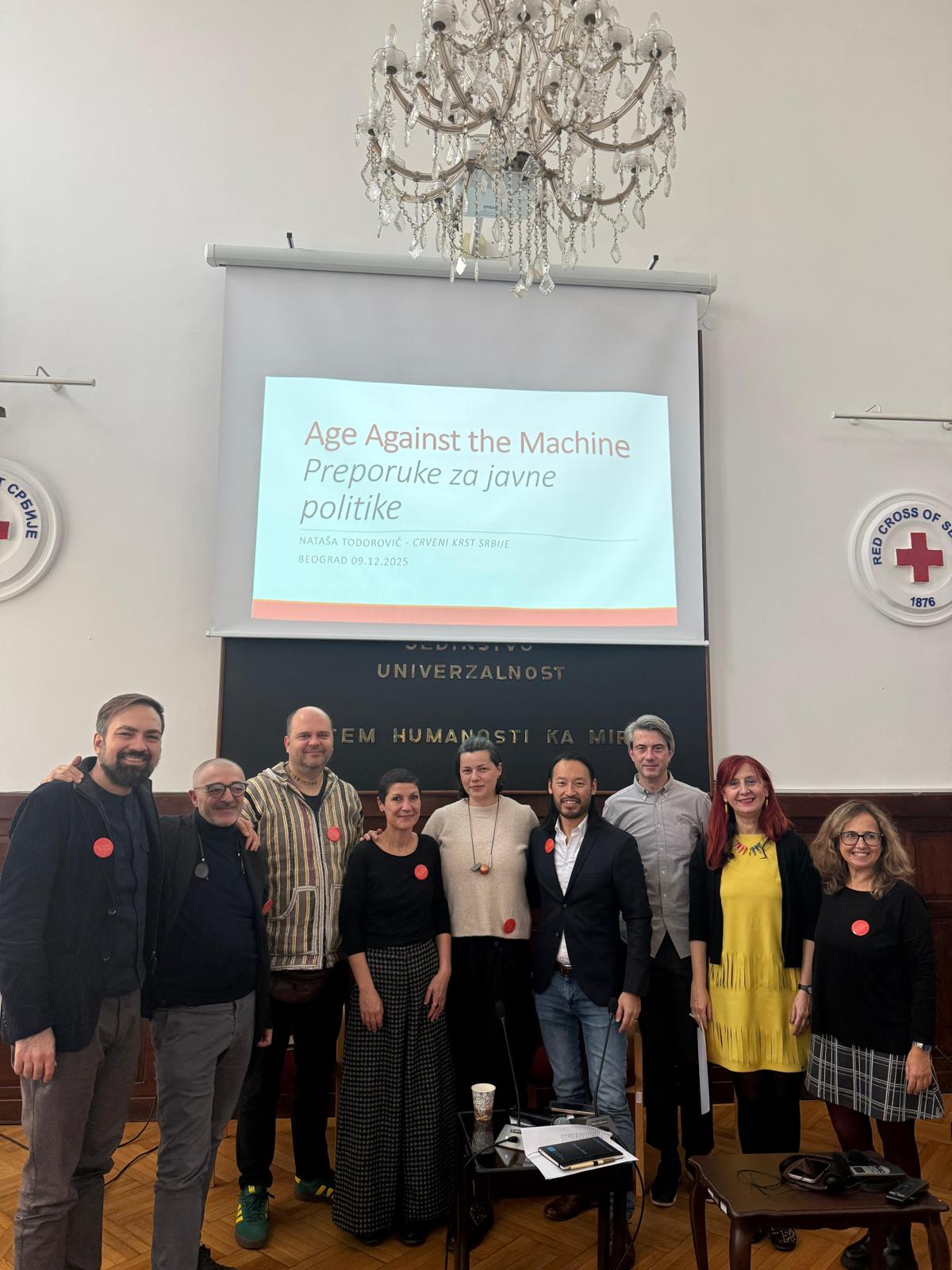
The final conference of the European project “Age Against the Machine” was held in Belgrade, bringing together 105 participants, including representatives of civil society organizations, the cultural sector, researchers, artists, and international partners from Serbia, Denmark, Italy, Portugal, and Poland.
The project is implemented by the Foundation “Novi Sad – European Capital of Culture” as the lead organization, in partnership with organizations from several European countries, with the Red Cross of Serbia participating as an expert partner on issues of age discrimination. Supported by the EU CERV programme, the project focuses on combating ageism through socially engaged theatre, research, and public advocacy.
During the conference, it was highlighted that ageism remains one of the most widespread yet least recognized forms of discrimination in Europe, often normalized through language, humor, media narratives, and public policies. It was particularly emphasized that ageism cannot be addressed solely through statistics and strategies; emotional engagement, dialogue, and direct experience are essential.
In this context, socially engaged theatre was presented as a powerful tool because it:
- transforms complex social issues into personal, relatable stories,
- fosters dialogue rather than one-way communication,
- involves citizens as active participants rather than professional actors,
- links emotion, experience, and public policies.
Within the project, older people were not just a subject but active participants—as authors, performers, and message bearers—together with younger generations, further strengthening intergenerational dialogue and understanding.
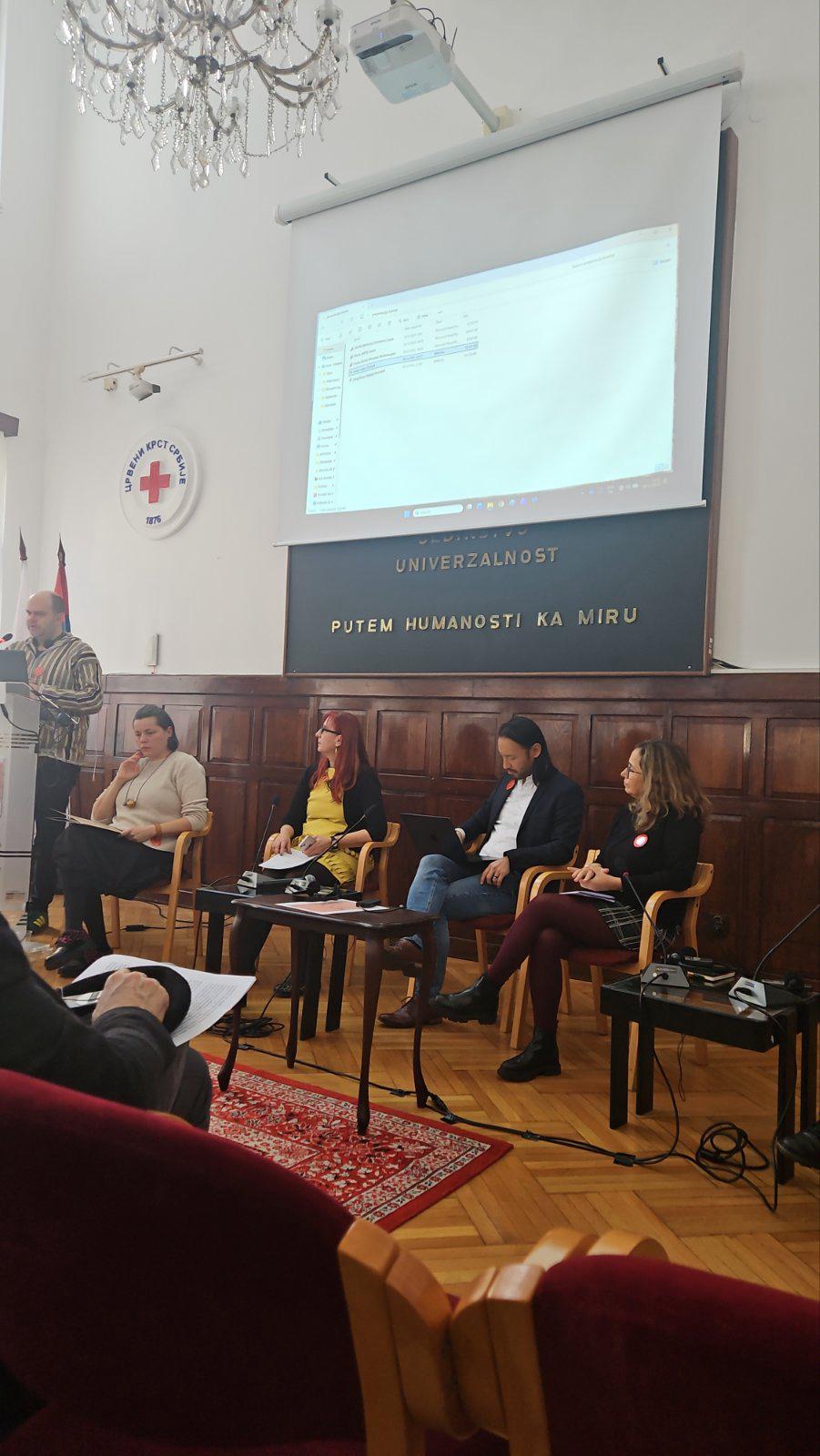
A special part of the conference was dedicated to presenting the project methodology and achieved goals. The results of research based on World Health Organization (WHO) tools, conducted by Nataša Todorović and Milutin Vračević from the Red Cross of Serbia, were also presented, measuring audience attitudes before and after the performances within the project.
The results showed that:
- there was a rapid reduction in overt negative stereotypes about older people,
- fear of one’s own aging and discomfort in contact with older adults decreased immediately after the performances,
- emotions change faster than rational beliefs,
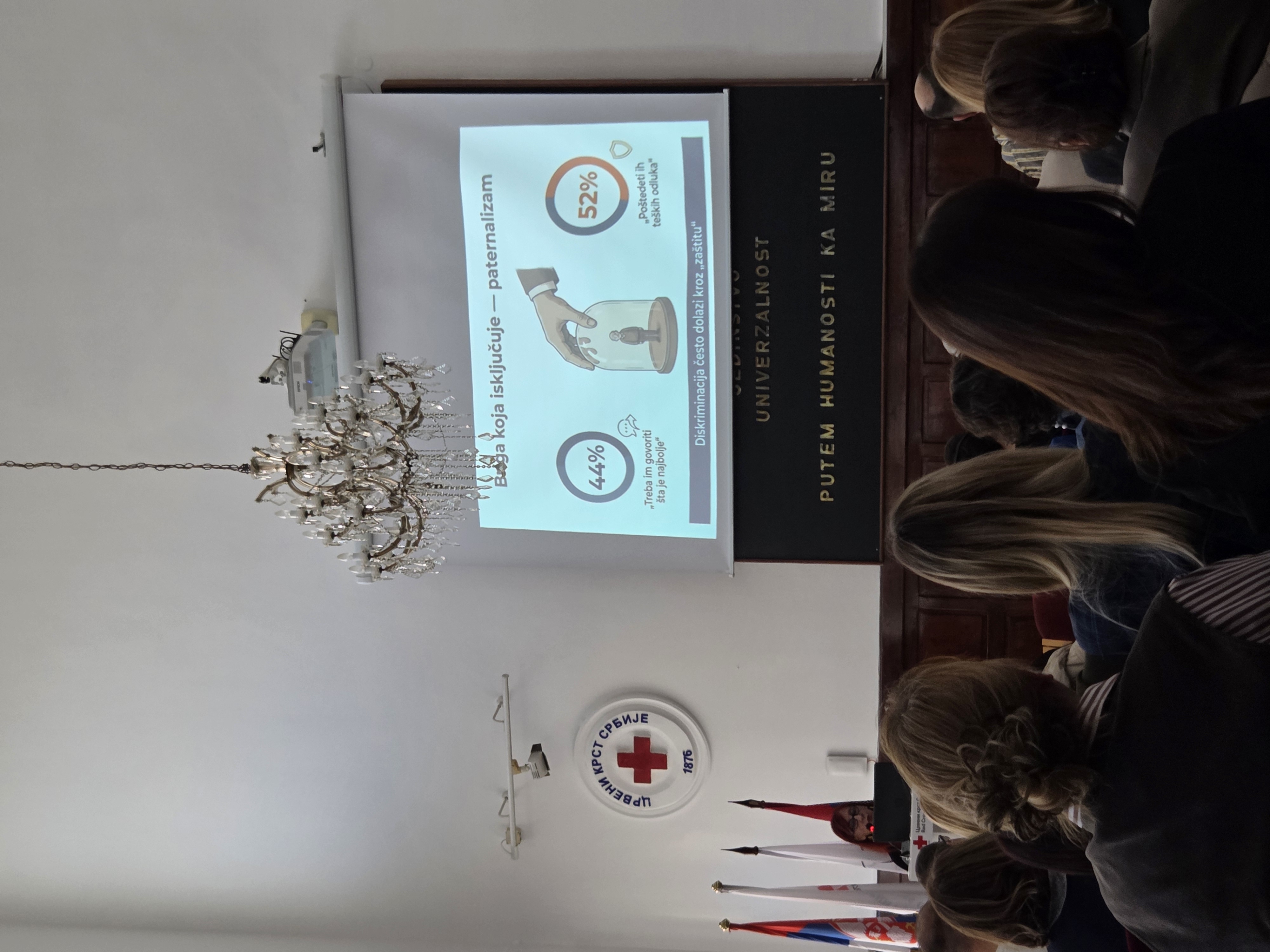
- the most resistant attitudes were paternalistic views and issues related to power, decision-making, and participation of older people in public life.
Questionnaires applied before and after five theatre performances showed that the share of the audience who viewed older people as a “burden” dropped from 38% to 22%, while the belief that they “do not adapt to change” fell from 55% to 39%. At the same time, fear of personal aging decreased from 61% to 45%, while paternalistic attitudes remained high—more than half of respondents (52%) still supported “sparing older people from difficult decisions.”
These findings confirm that theatre has a strong short-term effect on emotional and social attitudes, while long-term changes in rights, politics, and decision-making require systemic and continuous approaches.
The final conference of the Age Against the Machine project included representatives of partner organizations and artistic collectives from multiple European countries. Project creators and coordinators Branka Bajić and Lazar Jovanov presented the project’s achievements and significance. Participants also included representatives from Dispari Teatro (Italy), Nordisk Teaterlaboratorium (Denmark), the University of Évora (Portugal), and Teatr Brama (Poland).
The final conference of Age Against the Machine sent a clear message that ageism is not immutable; it is a learned pattern that can be dismantled through a combination of art, research, and public policy. The need to continue developing such approaches, actively involving civil society organizations, institutions, and decision-makers, was emphasized.
Through its participation in the project, the Red Cross of Serbia once again confirmed its commitment to developing innovative, humane, and inclusive approaches to combating discrimination and building a society of solidarity for all generations.