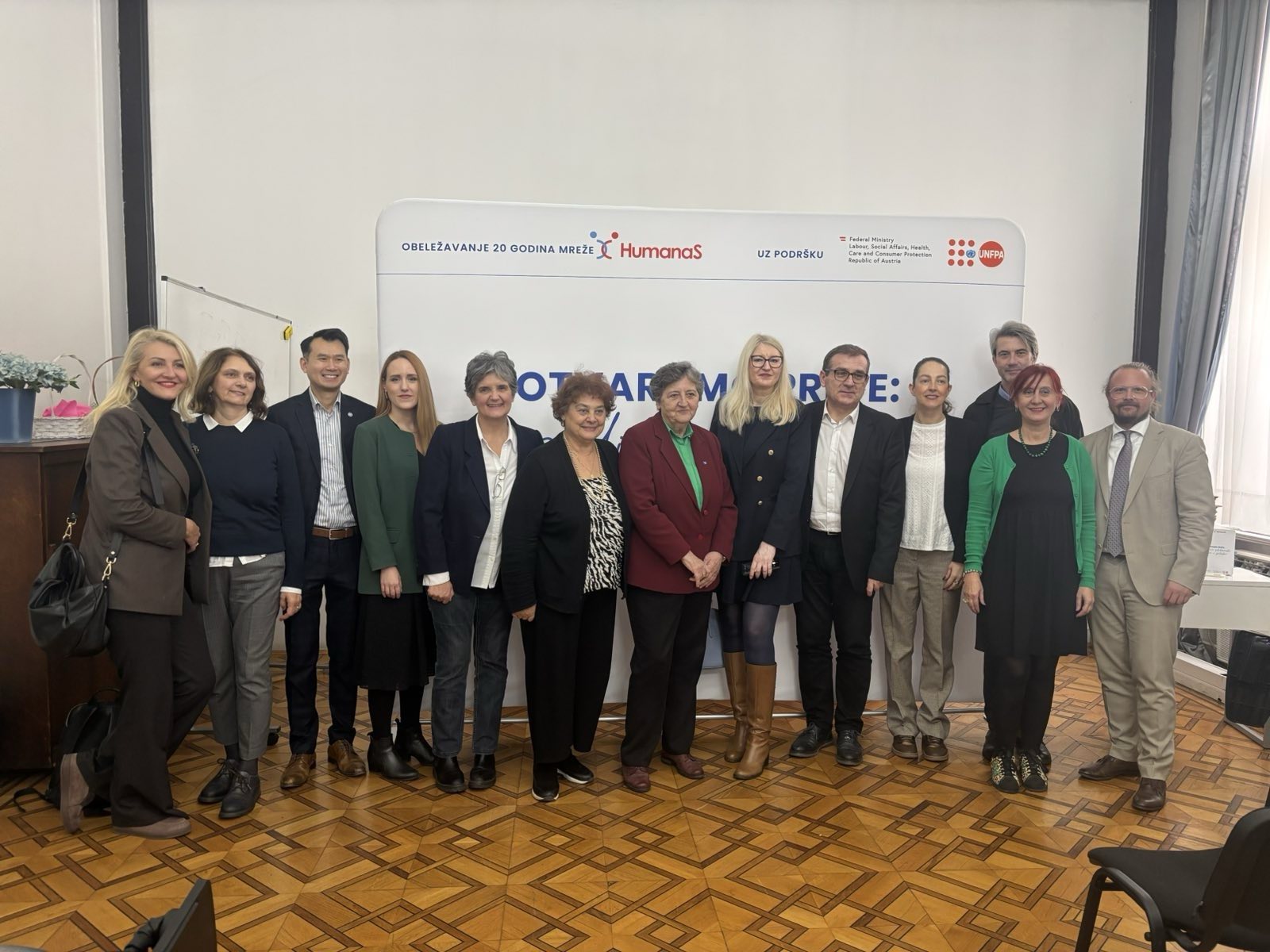
Opening Stories – Celebrating 20 Years of the HumanaS Network
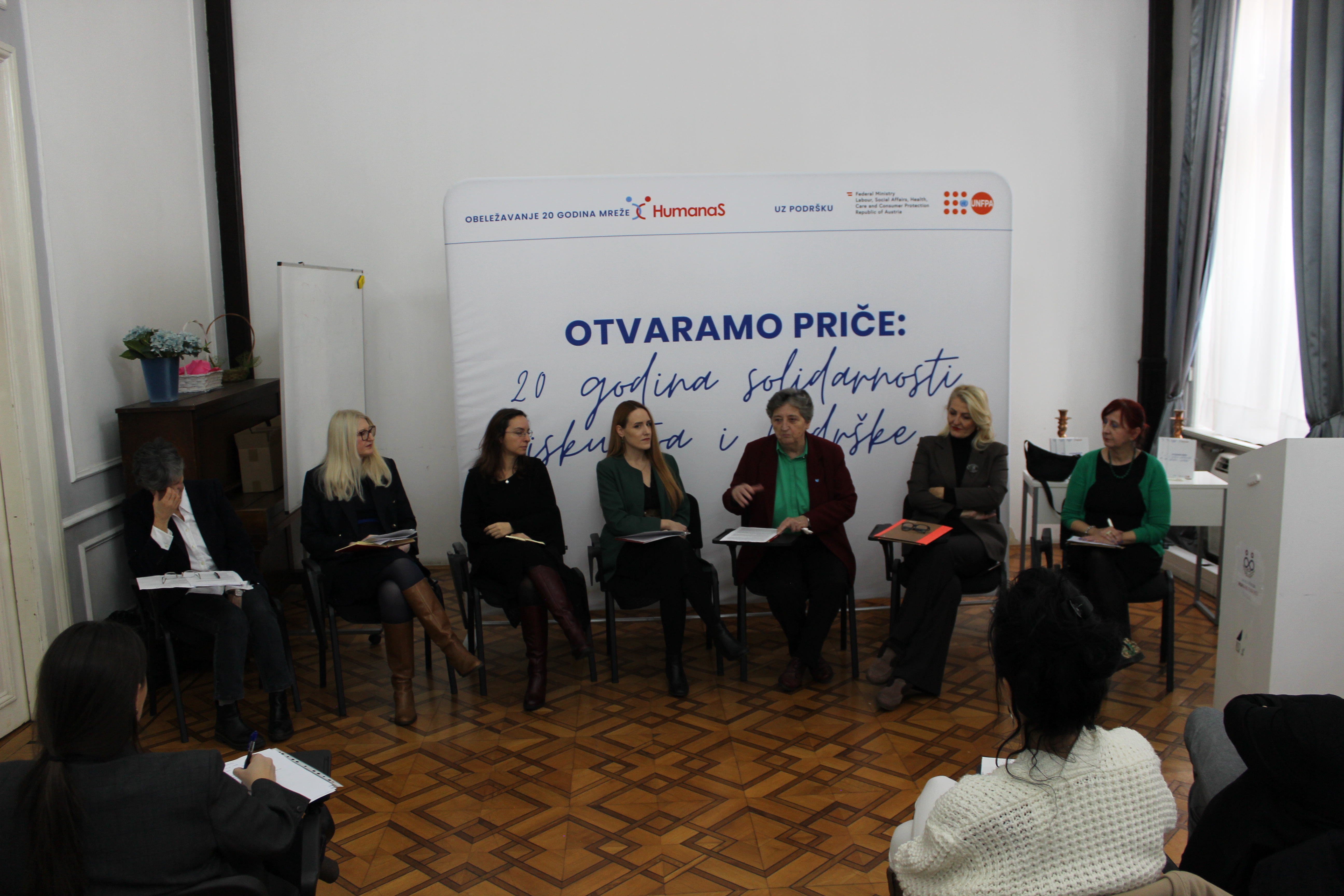
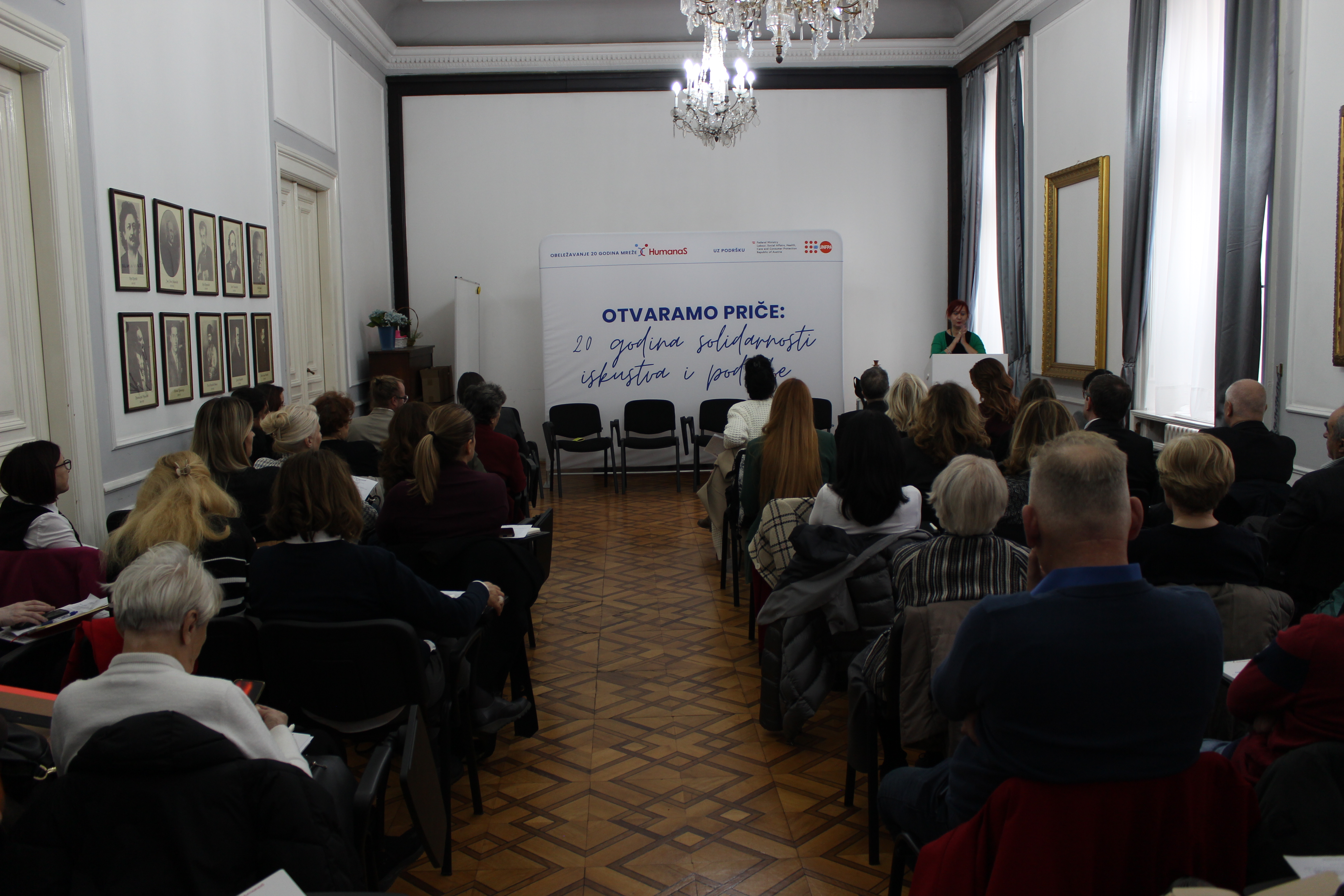
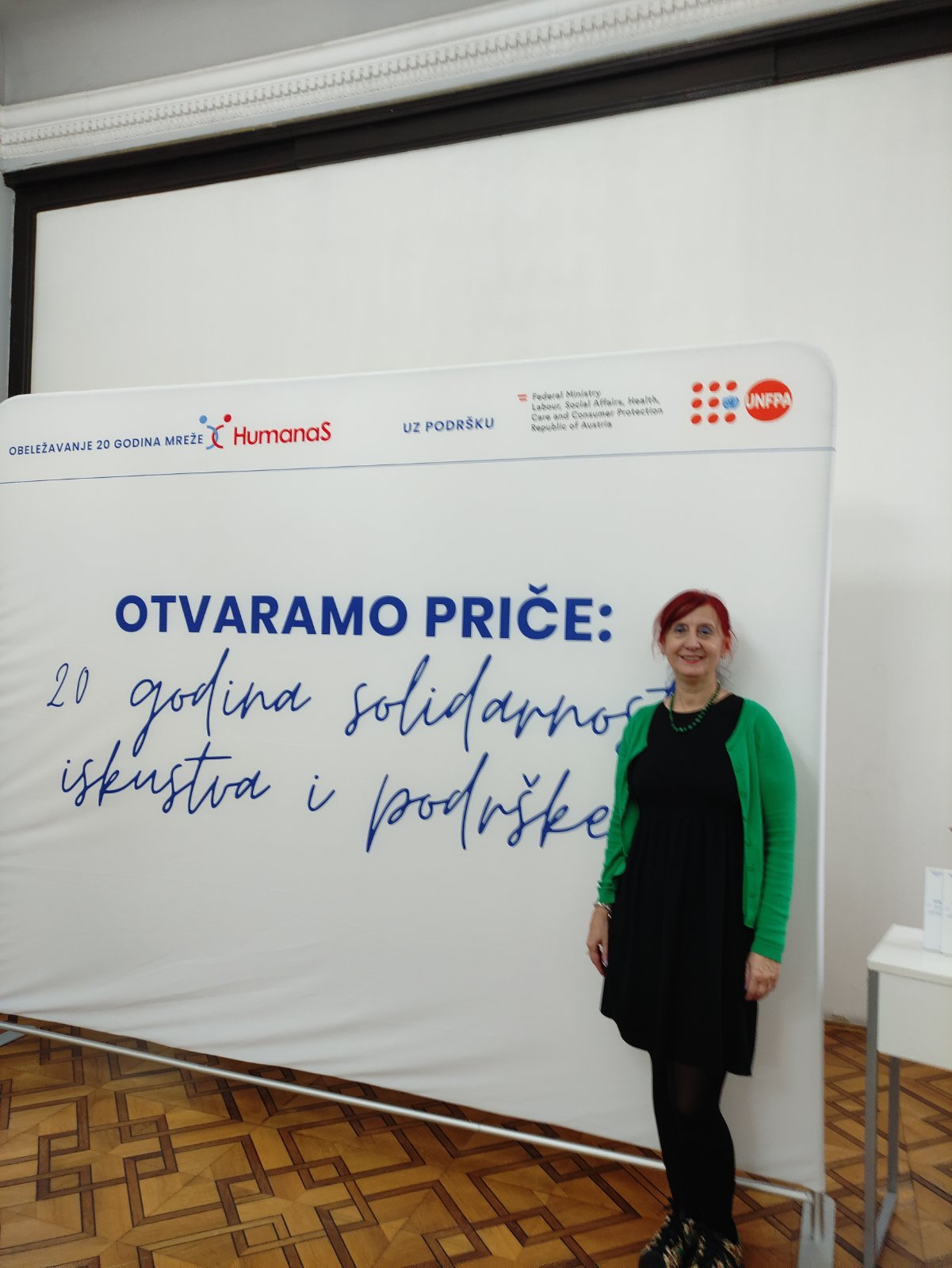
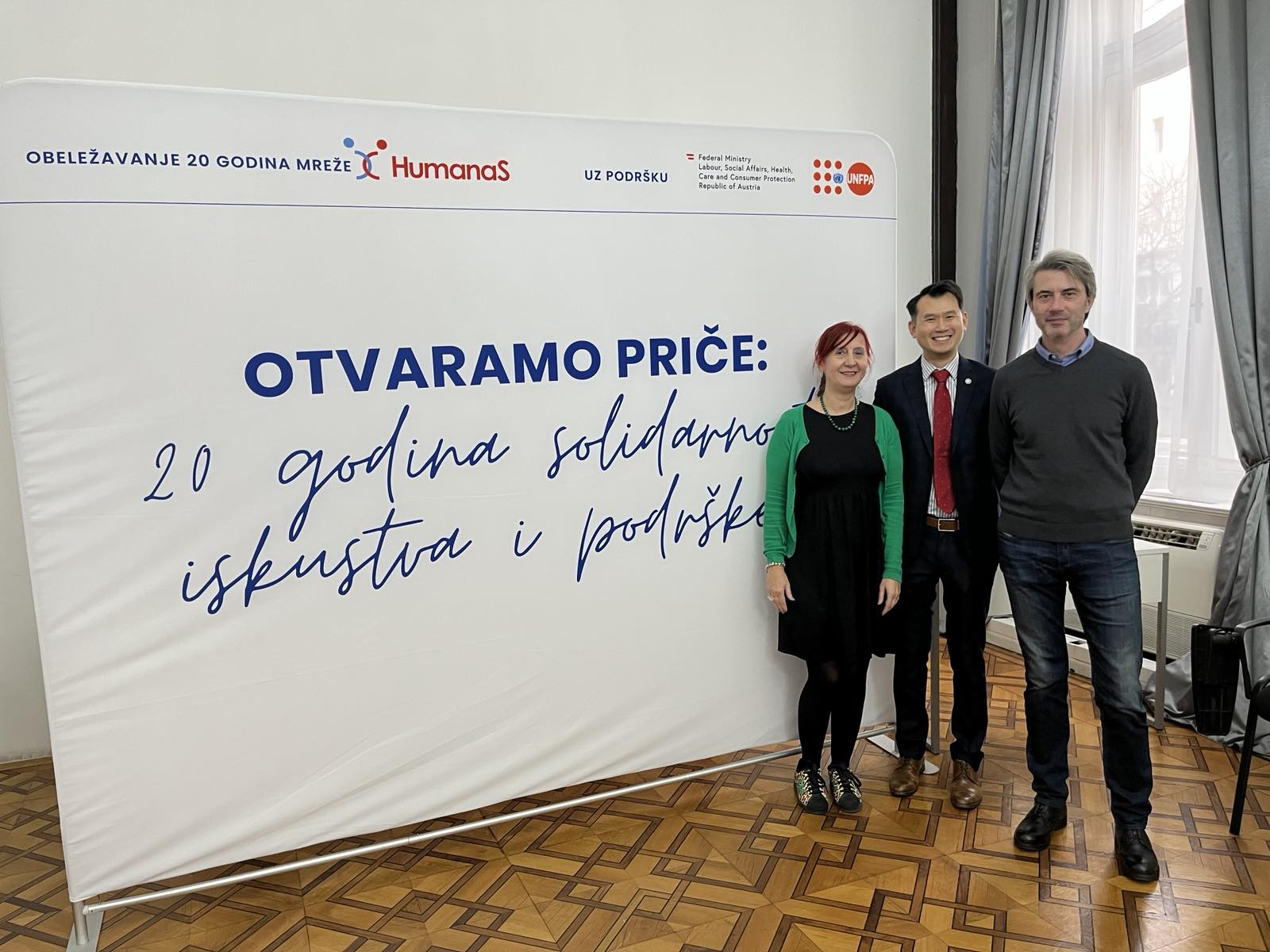
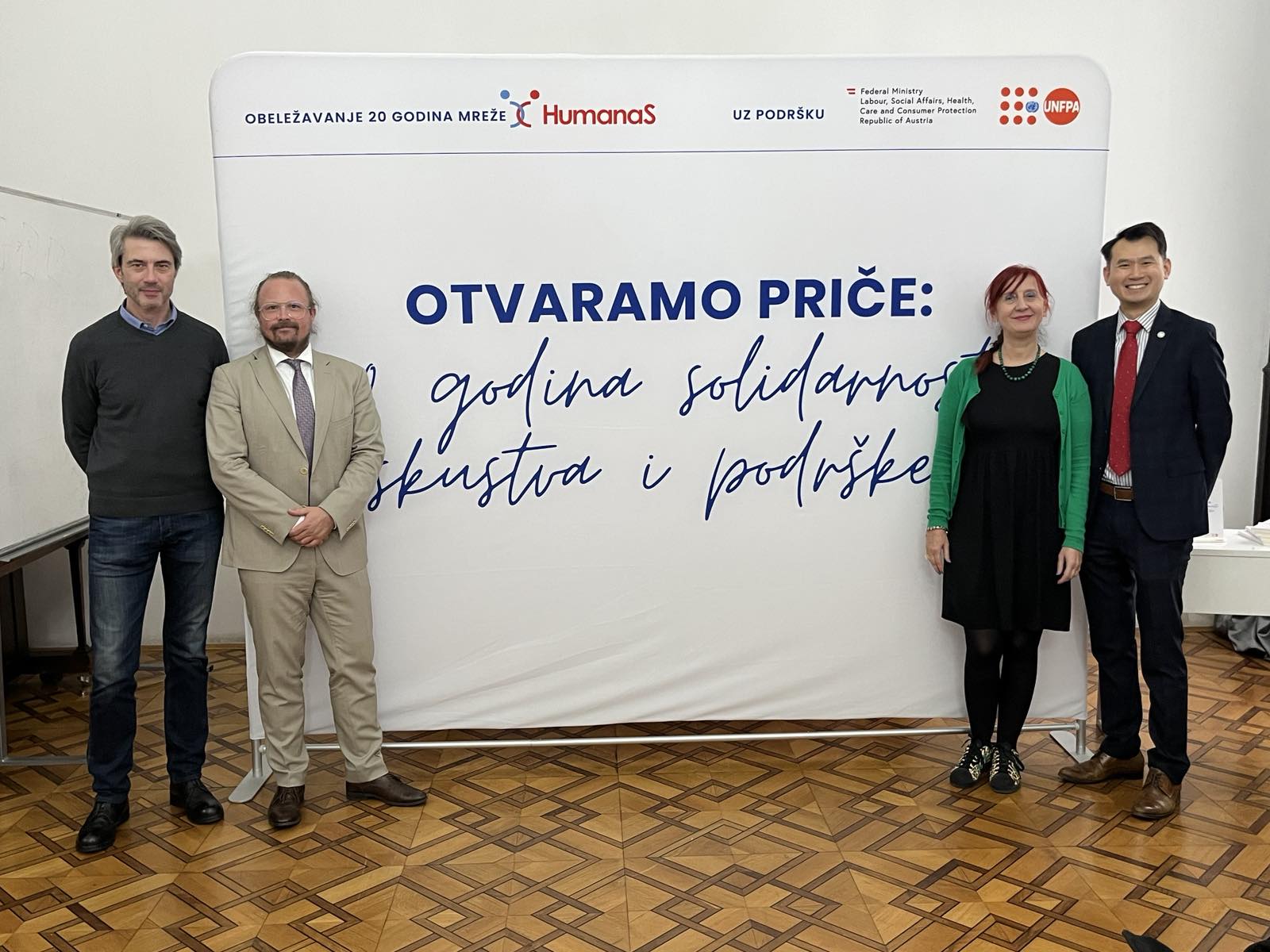
The HumanaS Network celebrated its 20th anniversary on December 4, 2025, at the Academy for Human Development in Belgrade. The jubilee marked two decades of joint work by civil society organizations, institutions, and international partners to improve the rights, status, and quality of life of older people in Serbia.
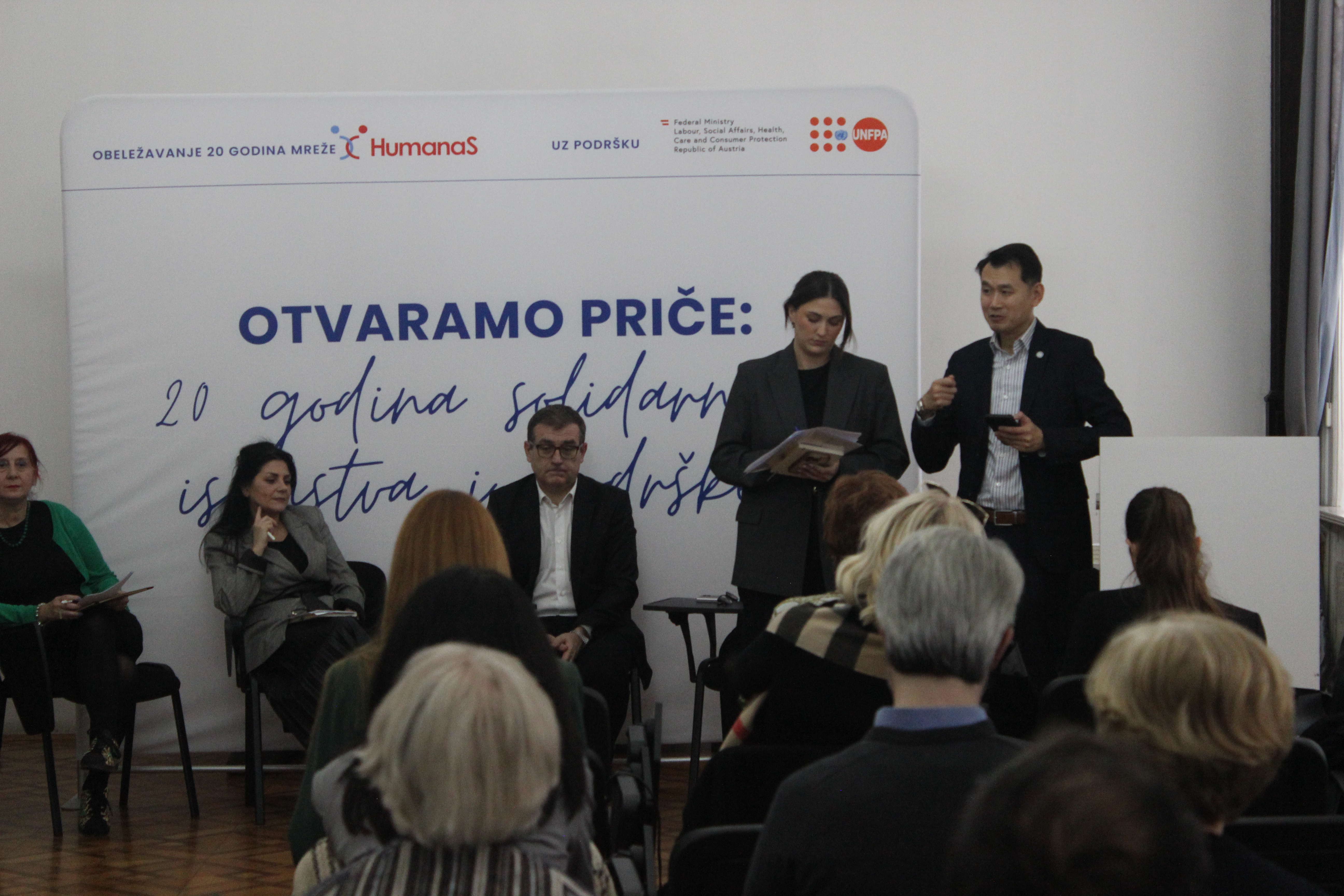
Speakers at the opening included: Ljubomir Miladinović, Secretary General of the Red Cross of Serbia; Borka Jeremić, Head of the UNFPA Office in Serbia; Manuel Aigner, representative of the Federal Ministry of Labour, Social Affairs, Health, Care, and Consumer Protection of Austria; and Marina Drašković, Republic Institute for Social Protection.
The speakers highlighted the importance of long-term cooperation, the role of civil society in developing community services, and the need for further advancement of policies for active and dignified aging.
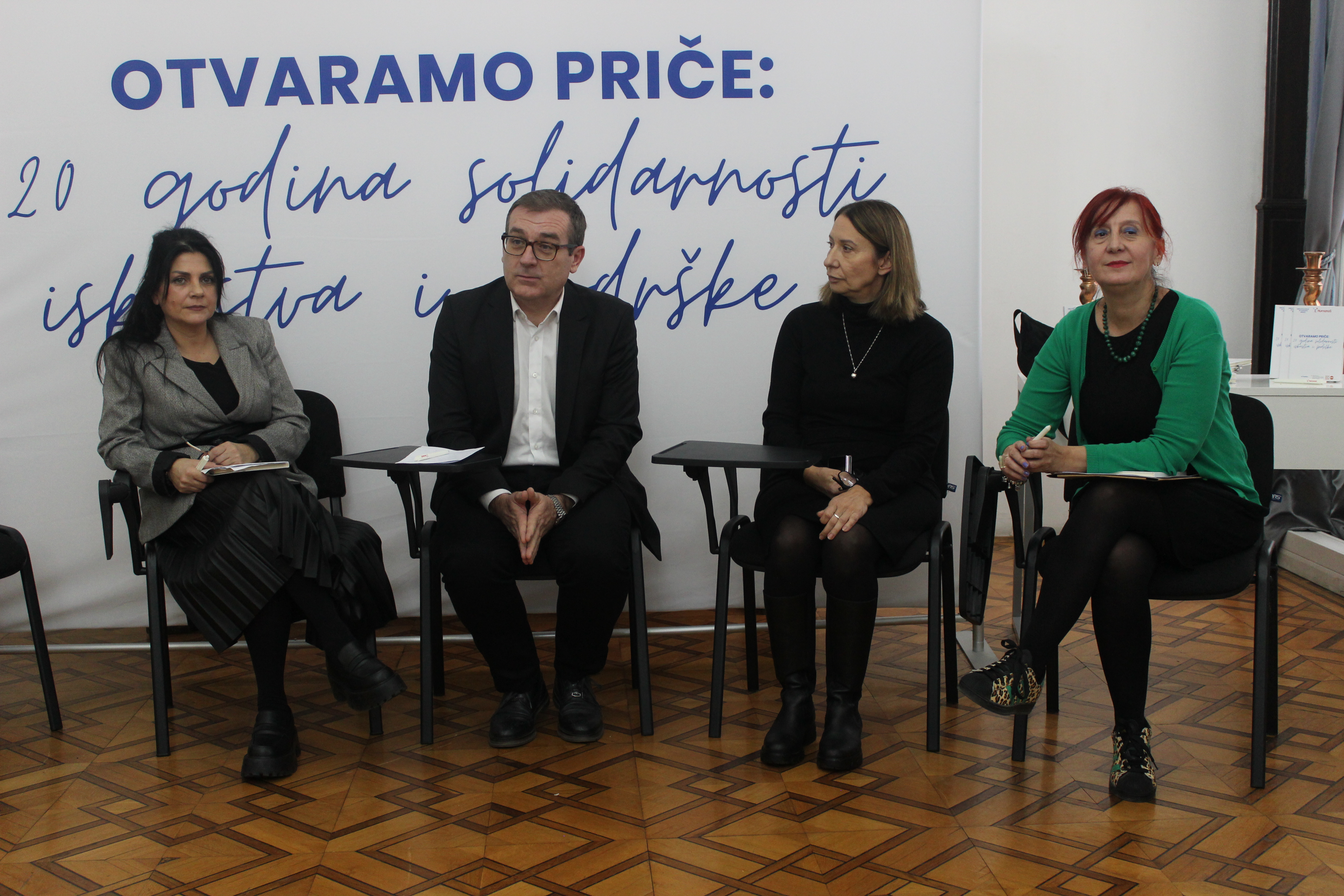
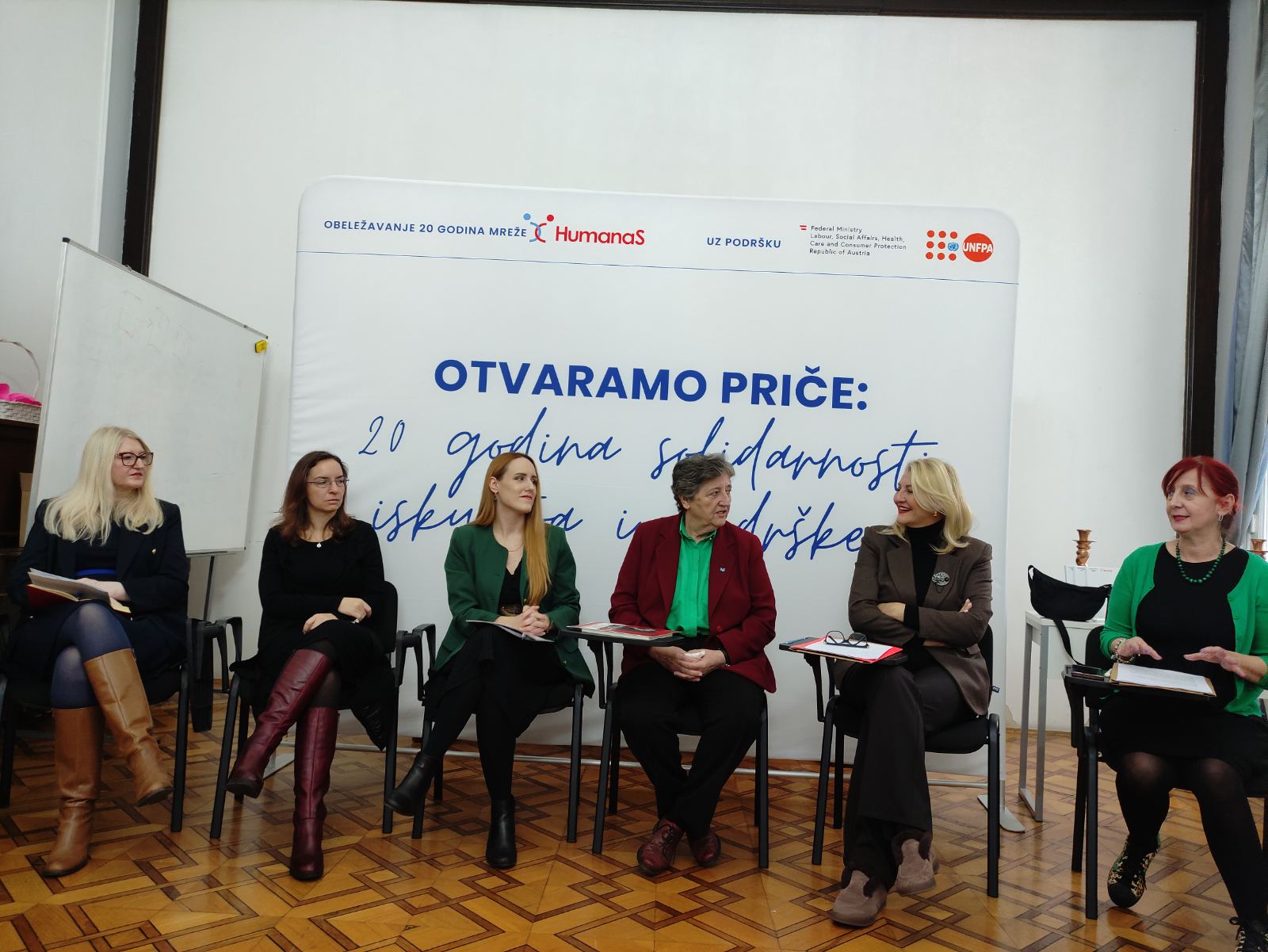
The first panel, “Opening Stories – Voices from the Network”, featured representatives of HumanaS member organizations: Nadežda Satarić (Amity – Snaga prijateljstva); Jelena Stojilković Gnjatović (Gerontological Society of Serbia); Jelena Ankić (Caritas Serbia); Milena Radaković (Čovekoljublje); Slavica Stanković (Hleb života); and Gordana Milovanović (Helpnet). The panel focused on practical experiences, the development of services for older people, advocacy for public policies, and key achievements of the HumanaS network over 20 years.
The second panel, “Opening Stories – Building the Future”, featured representatives of institutions and support systems: Aleksandar Radosavljević, Assistant Minister at the Ministry for Human and Minority Rights and Social Dialogue; Marina Drašković, Director of the Republic Institute for Social Protection; a representative of the Commissioner for the Protection of Equality; and Ivana Nastić from the Chamber of Social Protection. The panel focused on systemic responses to population aging, the role of cross-sector cooperation, and perspectives for further development of policies for older adults.
Both panels were moderated by Nataša Todorović, psychologist at the Red Cross of Serbia.
During the event, the exhibition “Prevention of Violence Against Older People” was opened, drawing additional attention to the need for continuous and systematic work to protect the dignity and rights of older adults.
The event concluded with the message that cooperation, solidarity, and knowledge sharing are key to building a society that enables older people to live dignified, safe, and active lives.
Looking at all this — research, projects, advocacy, microgrants, pandemic work, strategic planning — it is clear that HumanaS is more than just a network.
HumanaS is a movement.
A movement that fights for older people.
A movement that has built trust in communities.
A movement based on data, experience, and empathy.
A movement that has lasted 20 years — and has much more to offer.