Panel Discussion on Precision Public Health and Innovative Approaches in Cancer Prevention
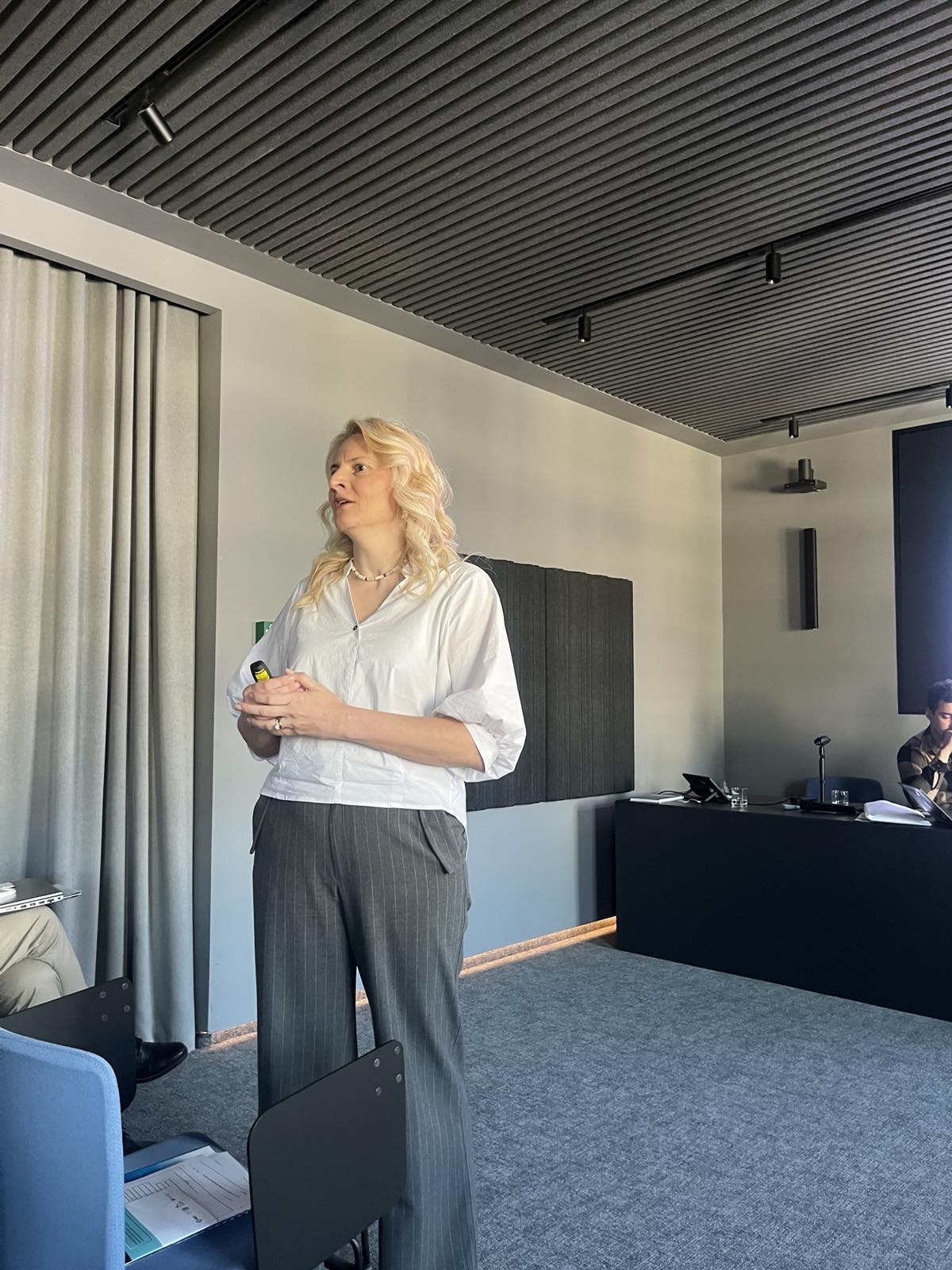
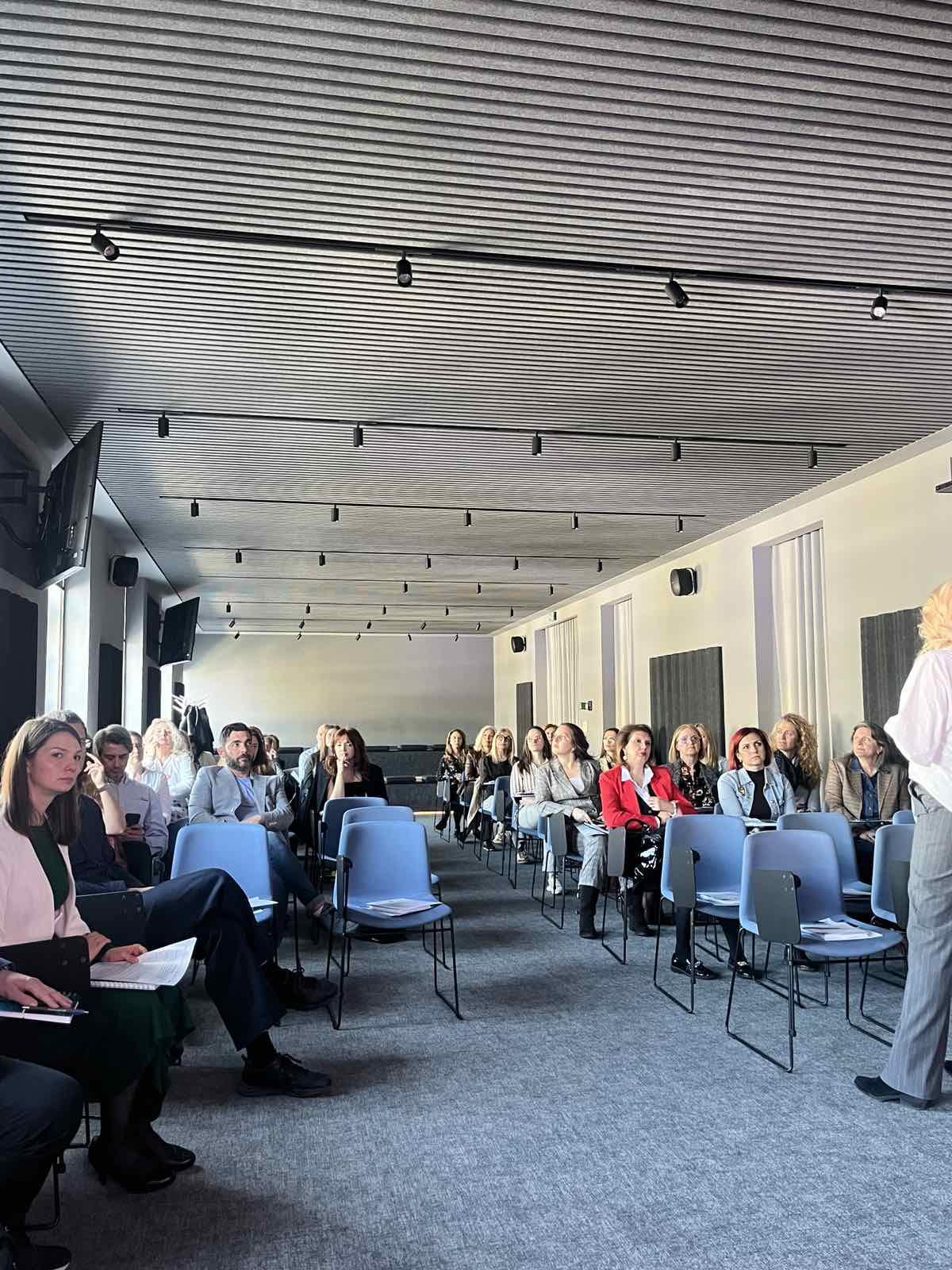
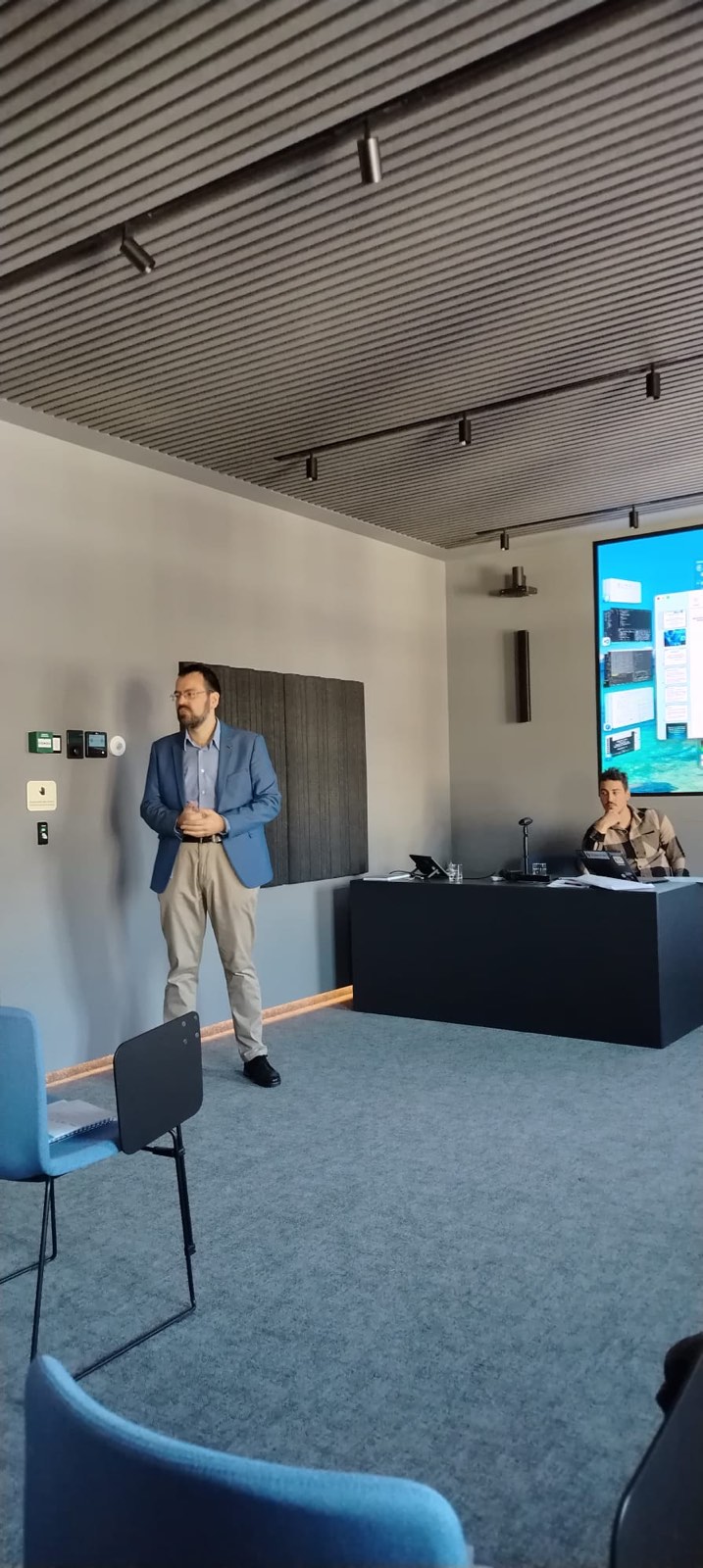
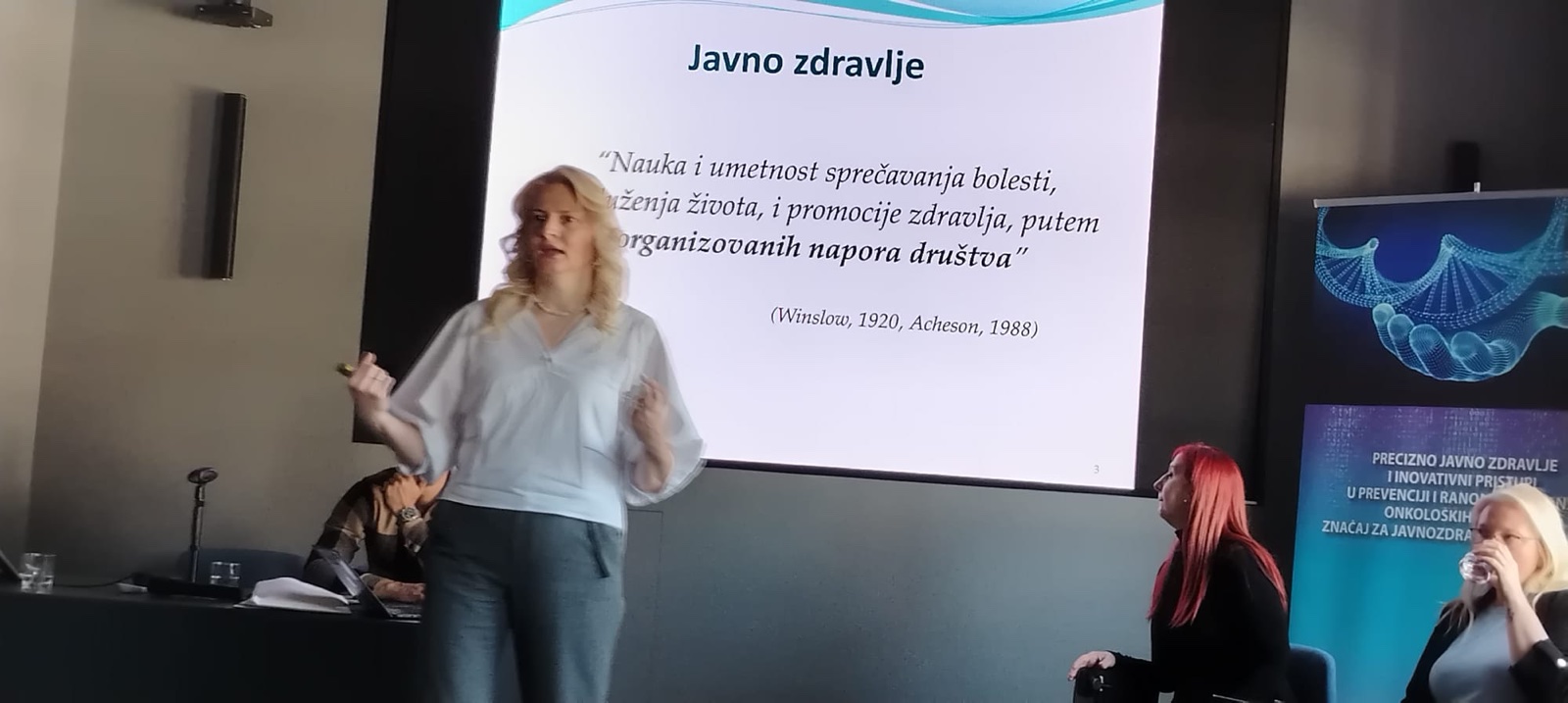
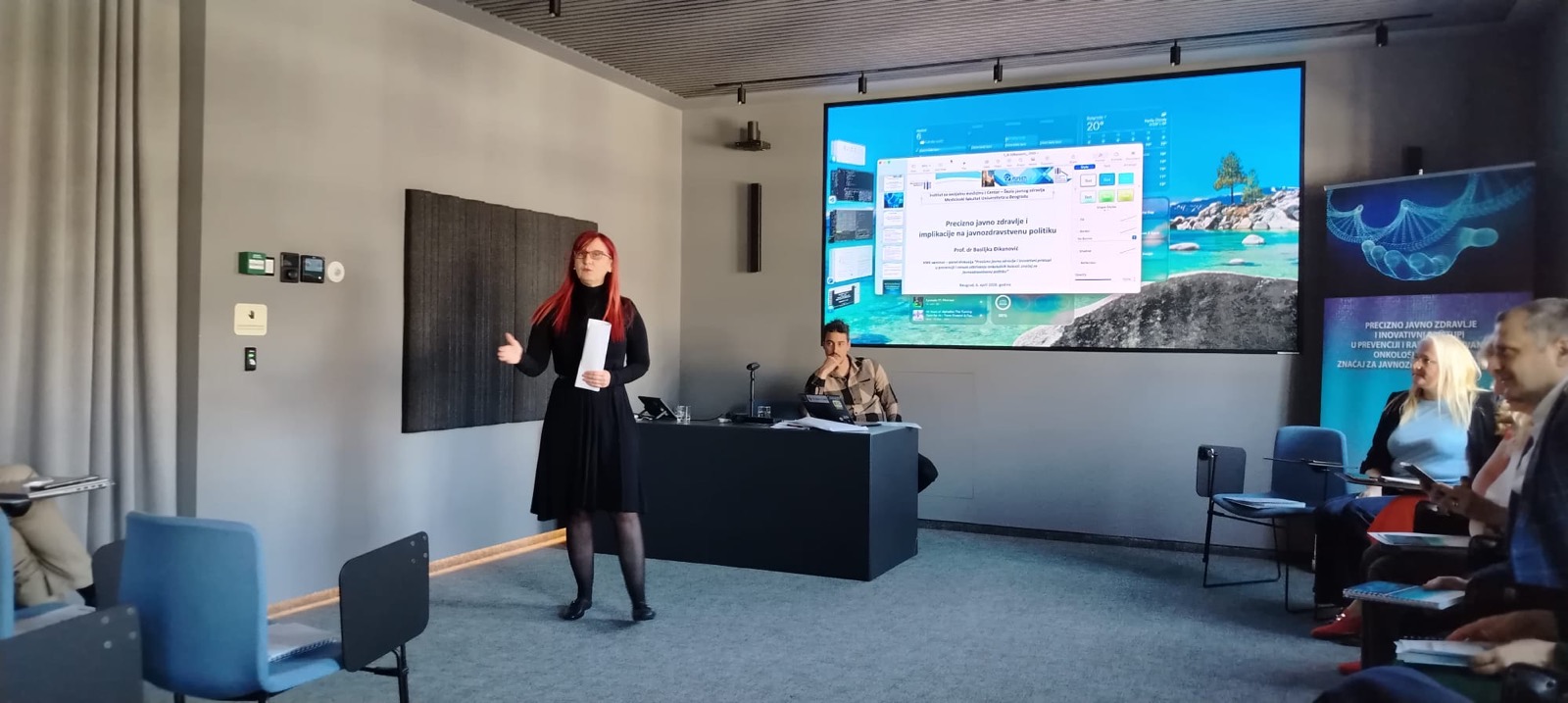
The panel discussion titled “Precision Public Health and Innovative Approaches in the Prevention and Early Detection of Cancer: Implications for Public Health Policy” took place on April 6, 2026, at the Palace of Science in Belgrade.
The event was organized in cooperation with the Faculty of Medicine and the School of Electrical Engineering of the University of Belgrade, as well as the company Ovio, within a project coordinated by the Red Cross of Serbia and supported by MSD (Merck, Sharp & Dohme d.o.o.).
It brought together representatives of academia, the healthcare sector, and public health experts to exchange insights on contemporary approaches to disease prevention and early detection.
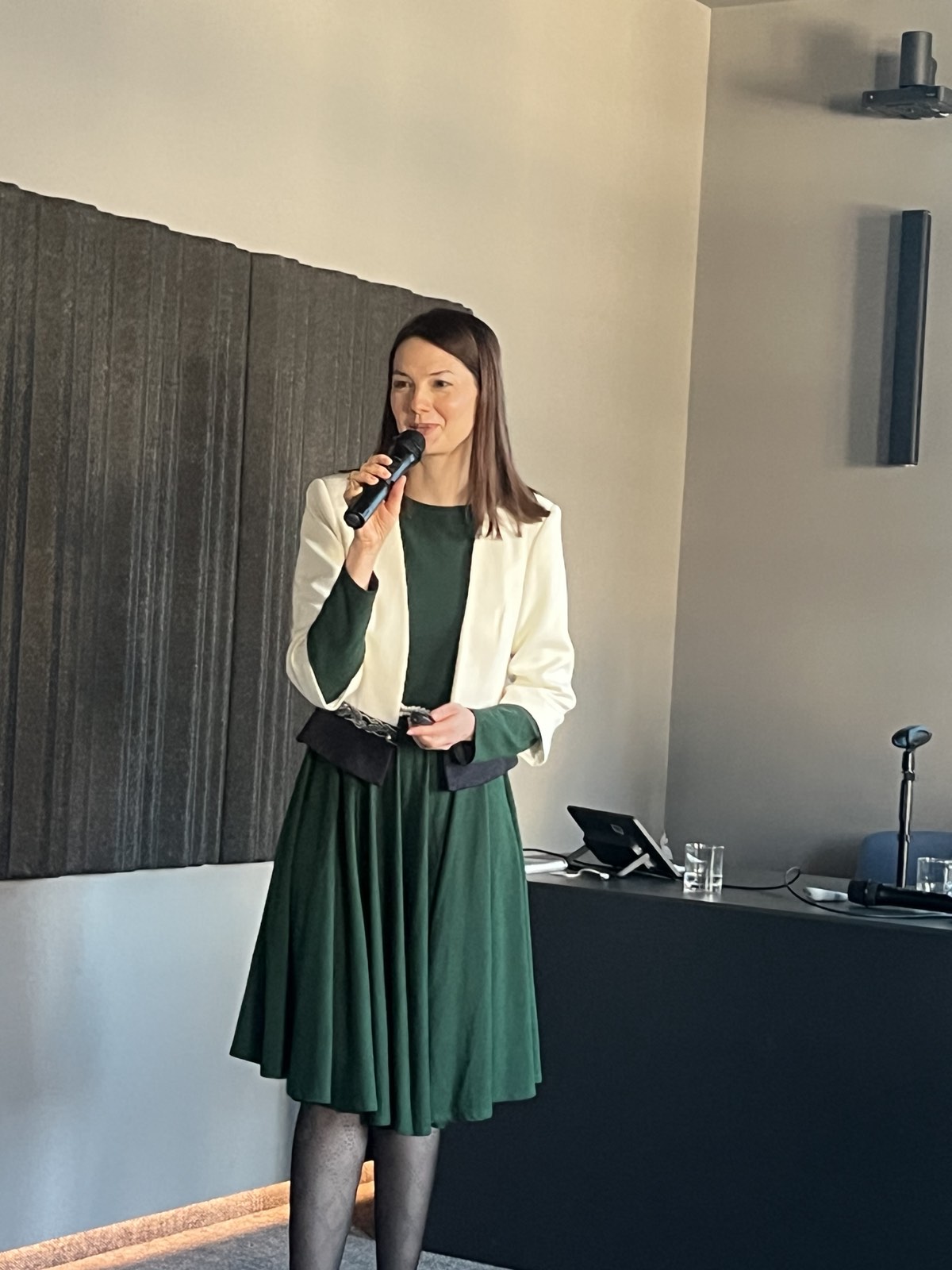
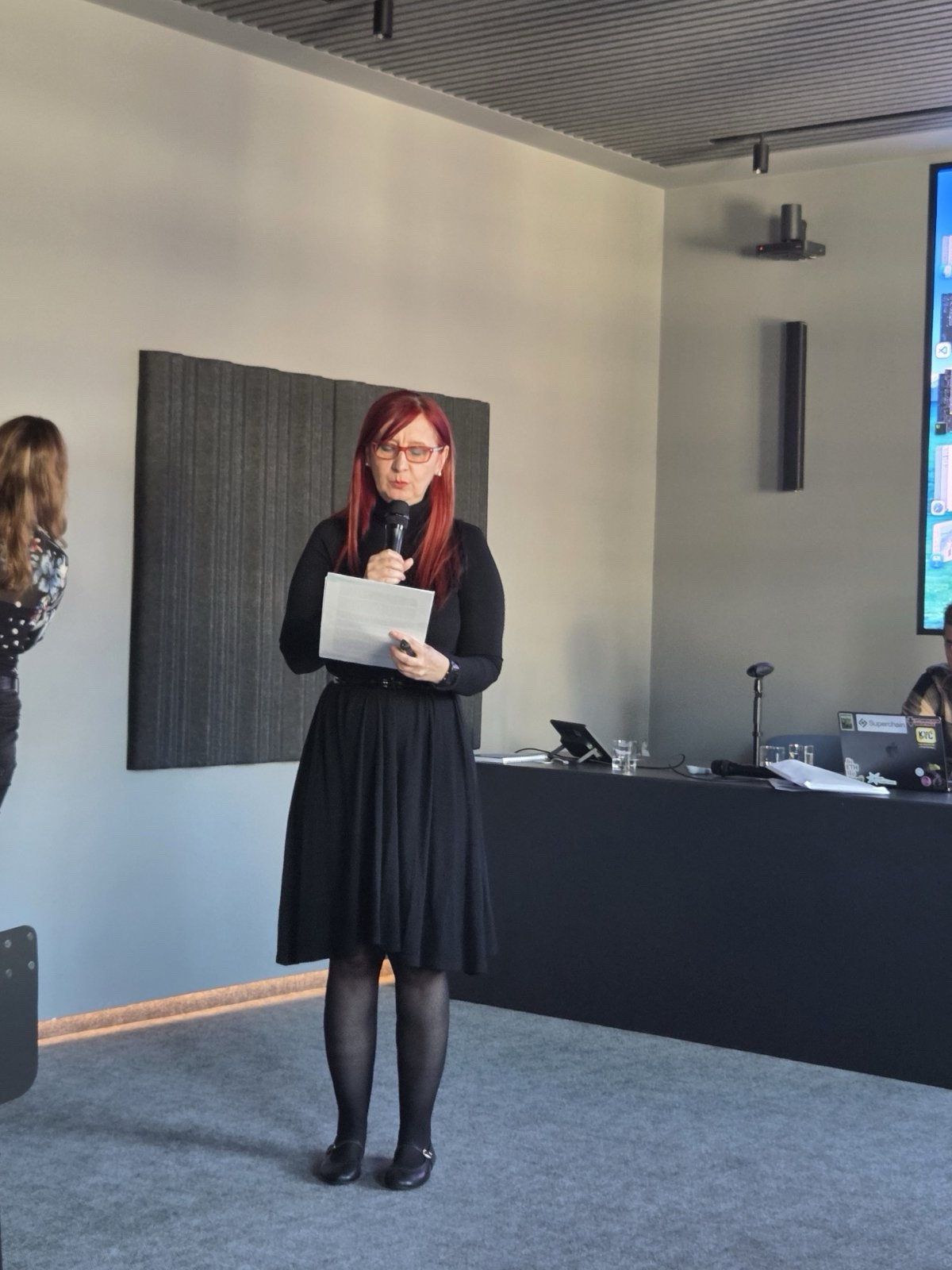
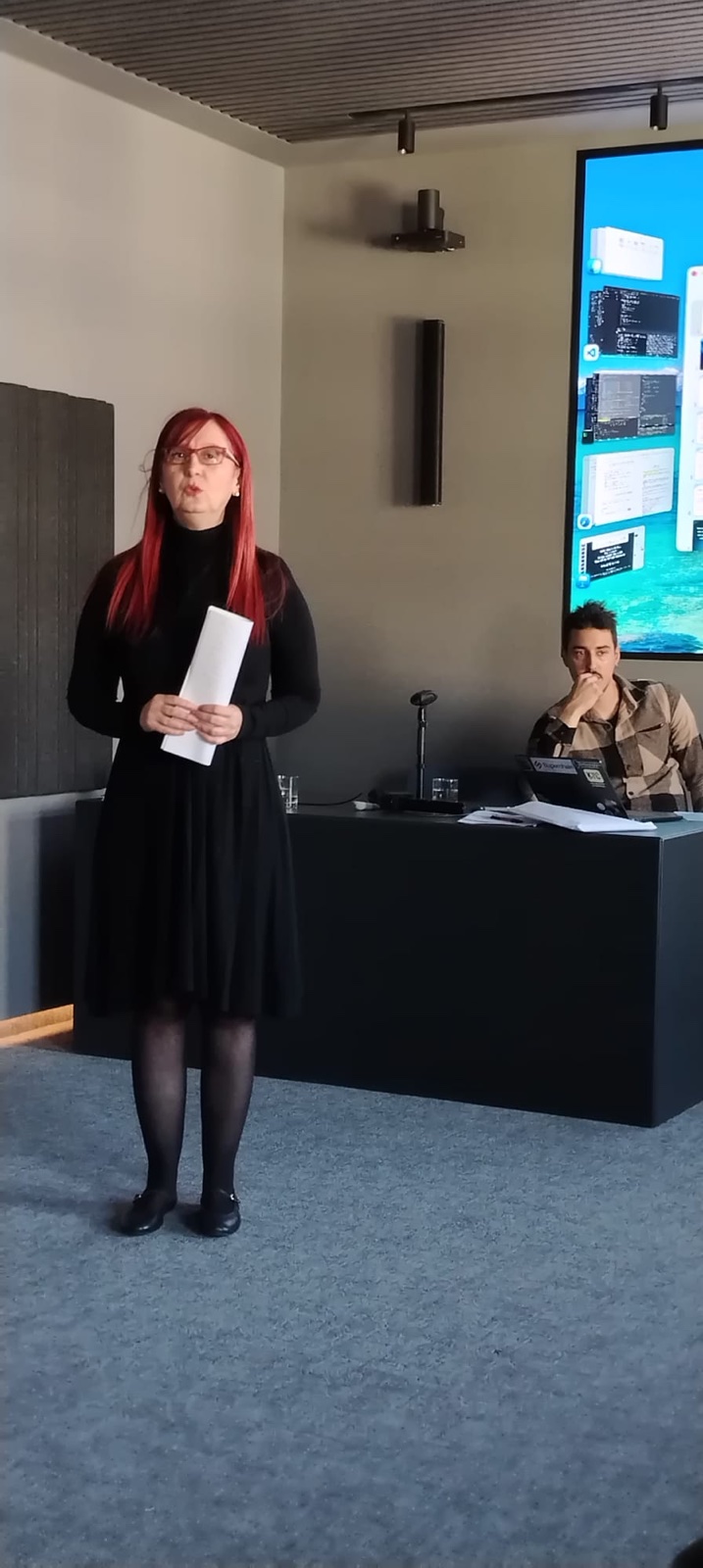
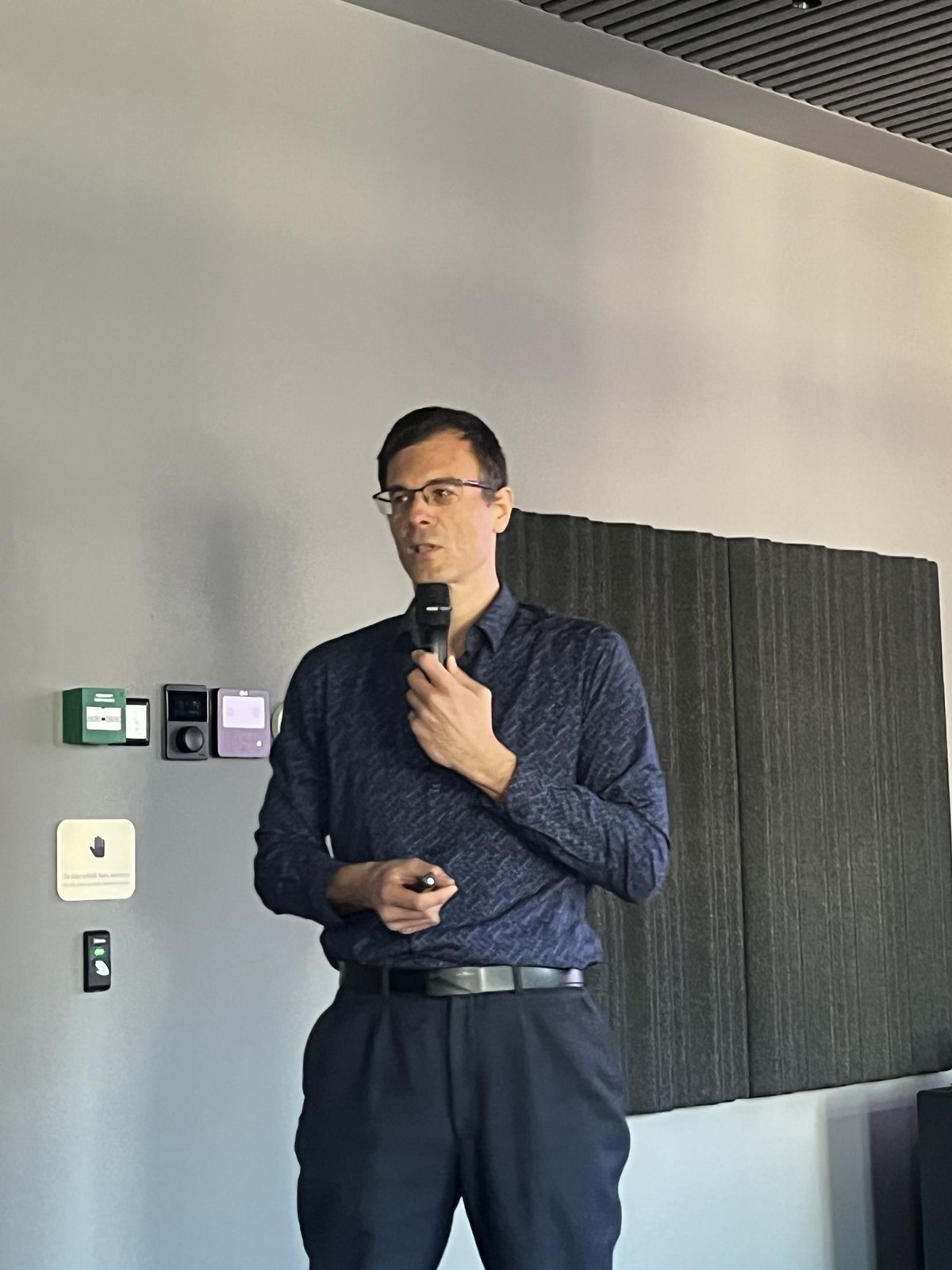
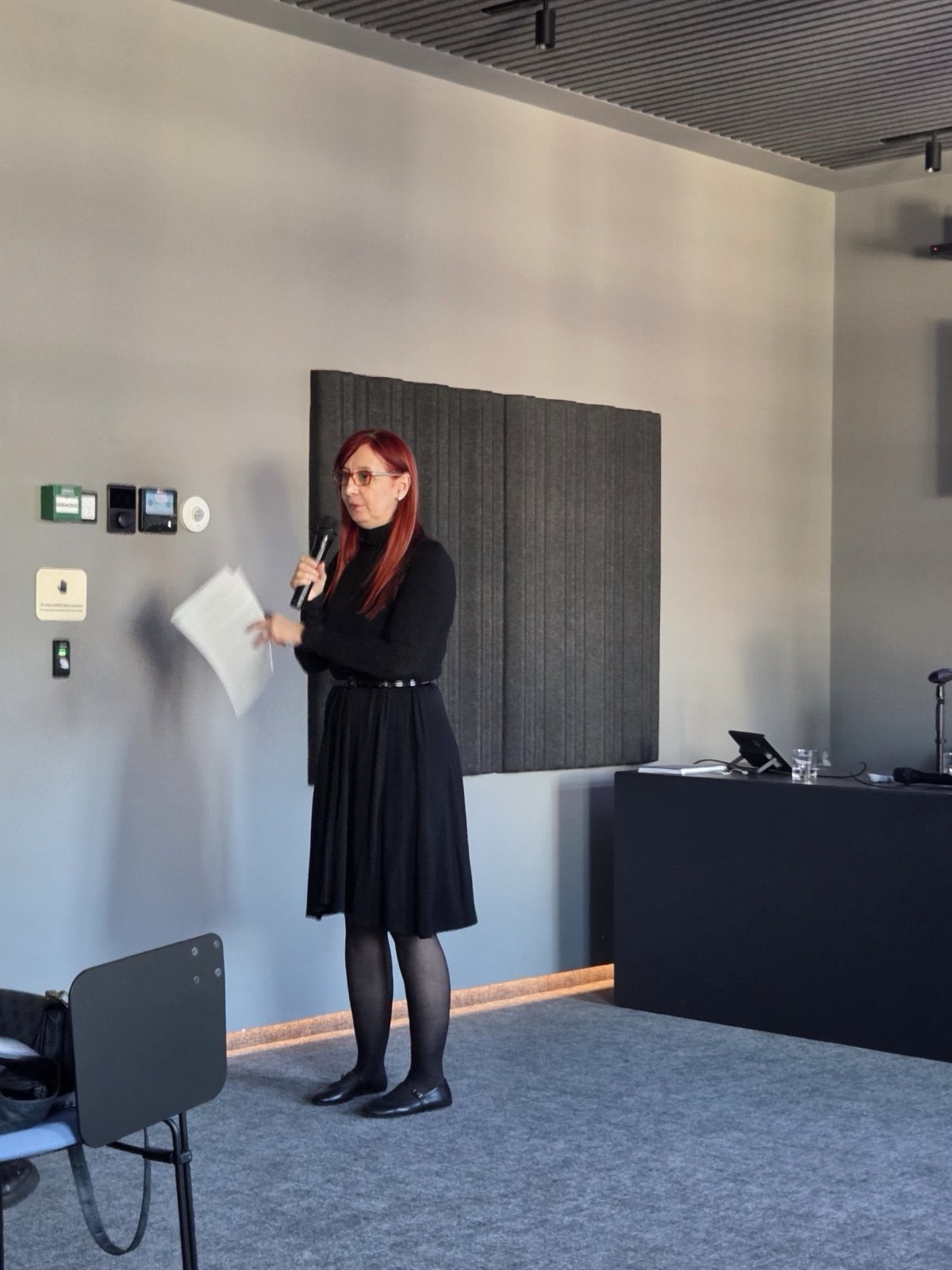
Opening remarks were delivered by Prof. Dr. Marko Mišić (School of Electrical Engineering, University of Belgrade), Natasa Todorović (Red Cross of Serbia), Prof. Dr. Bosiljka Đikanović (Faculty of Medicine, University of Belgrade), and Miloš Todorović (Ovio).
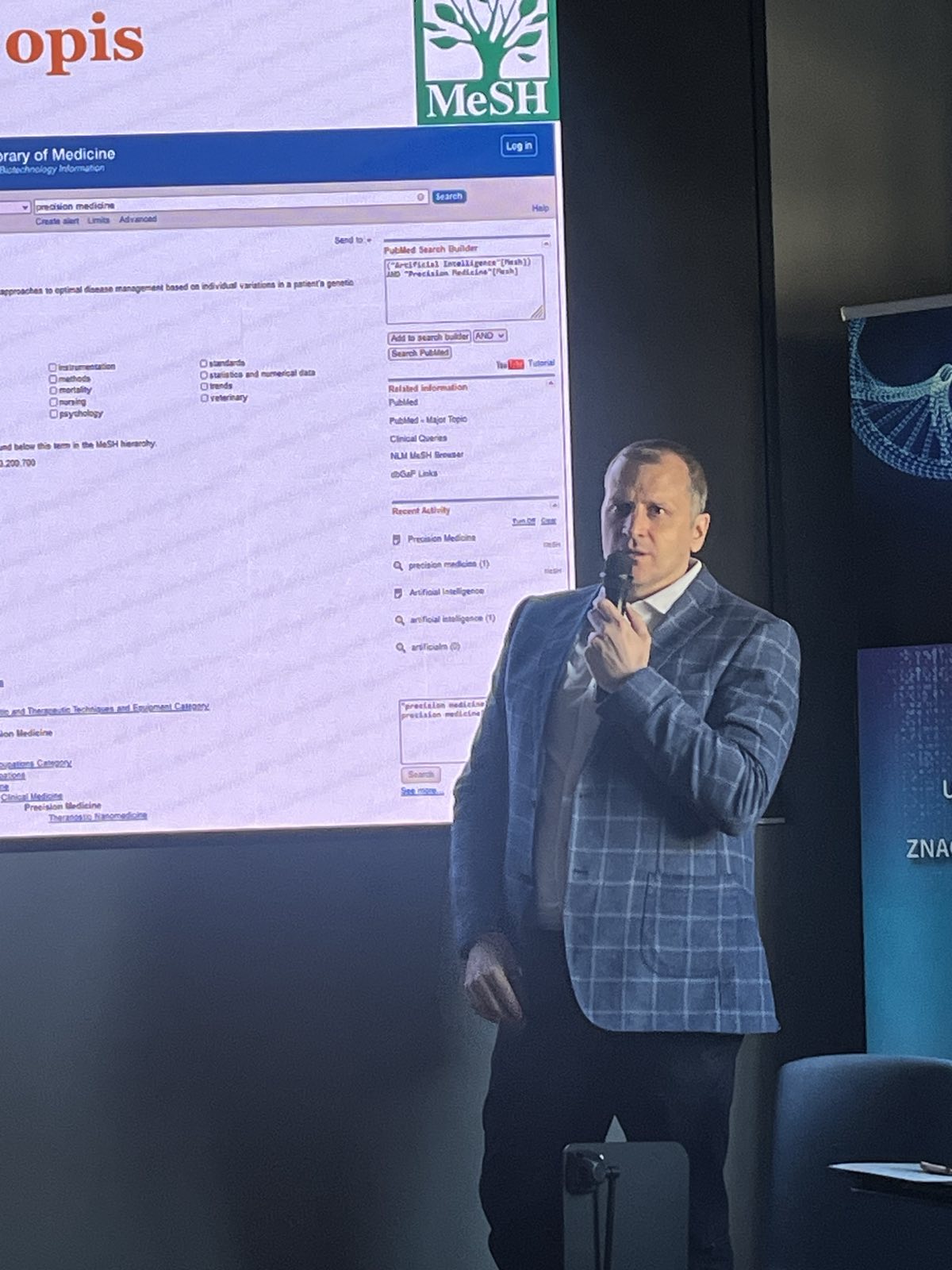
The programme addressed key topics including the application of genomics in public health, the current state of genomic medicine in Serbia, challenges in early cancer detection, and the growing role of artificial intelligence and machine learning in modern medicine. Particular attention was given to strengthening national screening programmes and translating scientific evidence into effective public health policies.
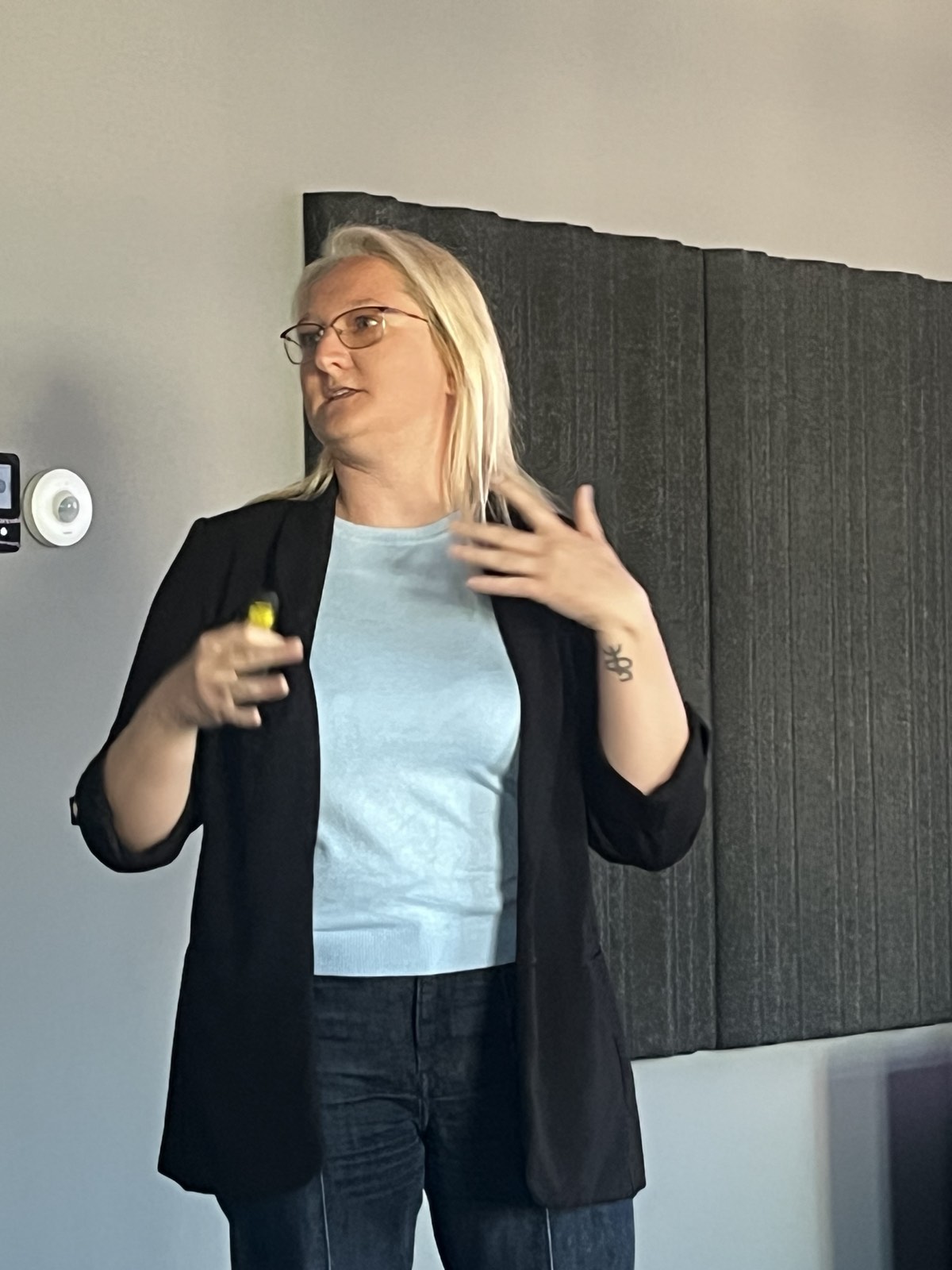
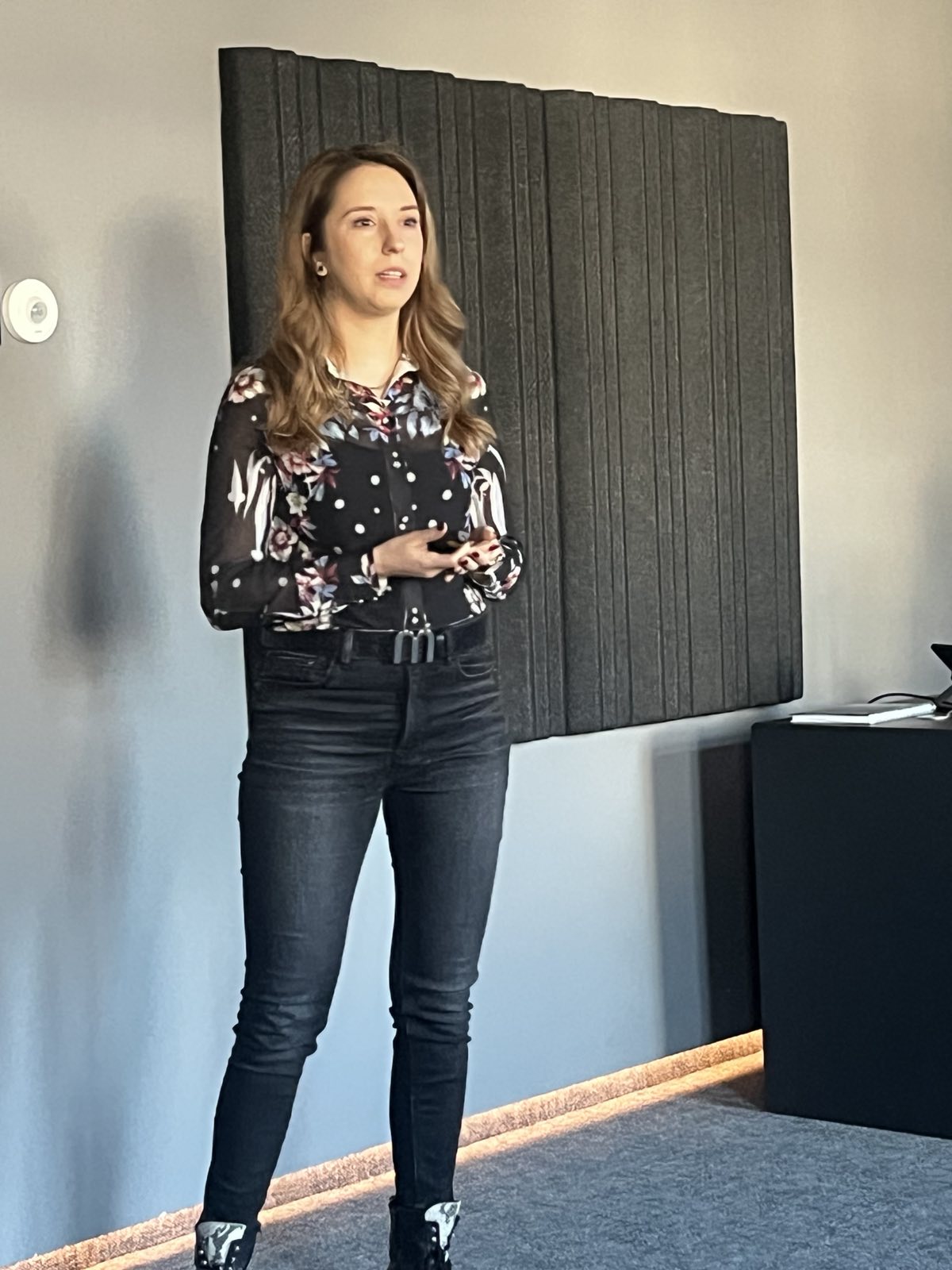
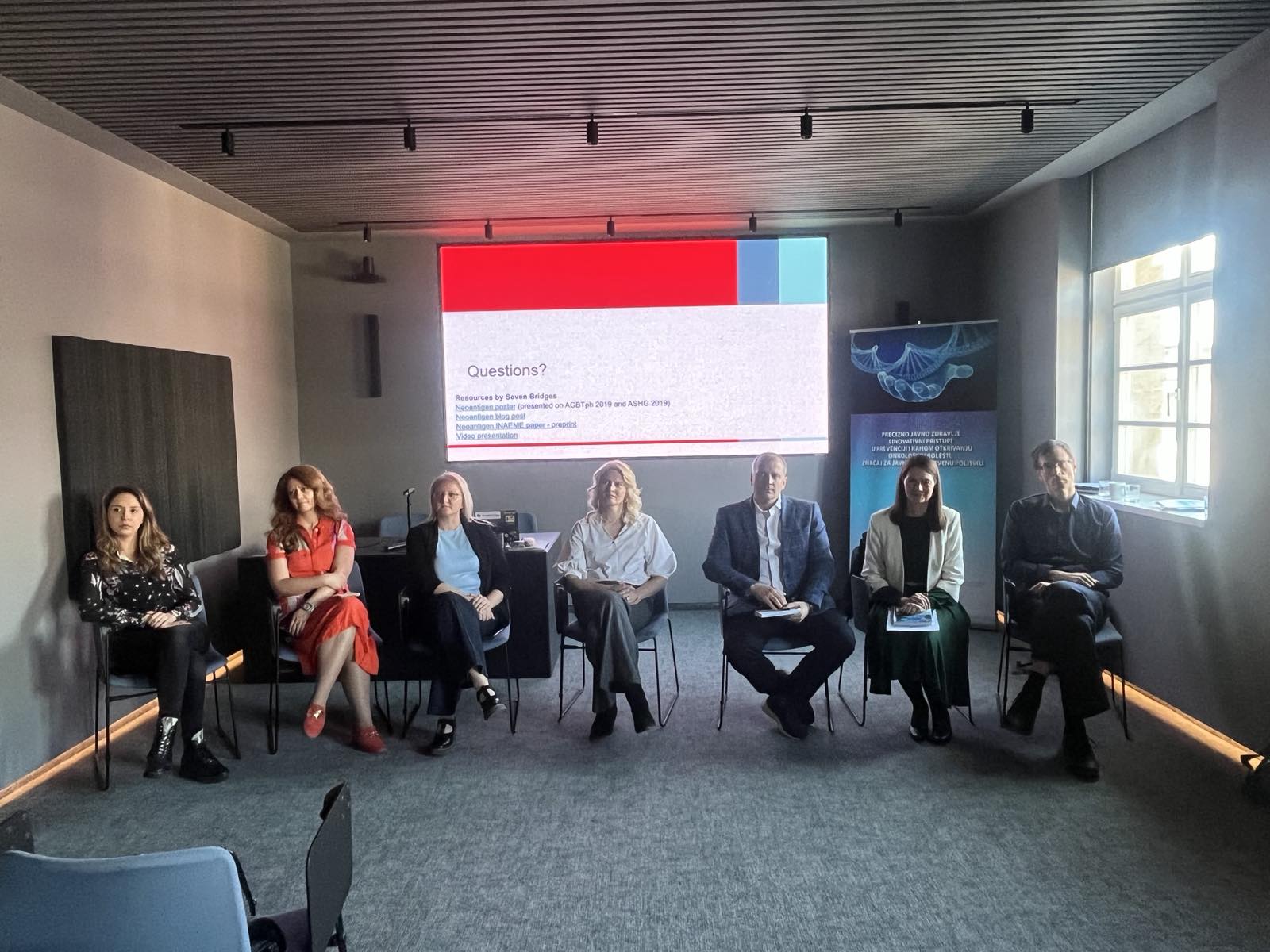
The panel featured contributions from:
- Prof. Dr. Bosiljka Đikanović (Faculty of Medicine, University of Belgrade)
Precision public health and its implications for public health policy: Is population-based genomic risk screening for cancer worth considering? - Dr. Branislava Gemić (C4IR)
Overview of genomic medicine in Serbia - Dr. Milena Čavić (Institute for Oncology and Radiology of Serbia)
Early detection of lung cancer in Serbia: opportunities and challenges - Dr. Tamara Naumović (Institute of Public Health of Serbia “Dr Milan Jovanović Batut”)
Experiences of the National Cancer Screening Office: opportunities for improvement - Prof. Dr. Janko Janković (Faculty of Medicine, University of Belgrade)
The role of artificial intelligence in early cancer detection - Dr. Jelica Cincović (School of Electrical Engineering, University of Belgrade)
Predicting neurodegenerative diseases using machine learning - Dr. Vladimir Kovačević (School of Electrical Engineering, University of Belgrade)
Precision oncology in modern medicine: developing immunotherapy based on individual genetic profiles
The discussion was moderated by Natasa Todorović (Red Cross of Serbia).
Events such as this strengthen collaboration between science and practice and represent an important step toward advancing disease prevention and early detection in Serbia.