Research Findings on “Poverty in the Shadow of Care” Presented in Niš
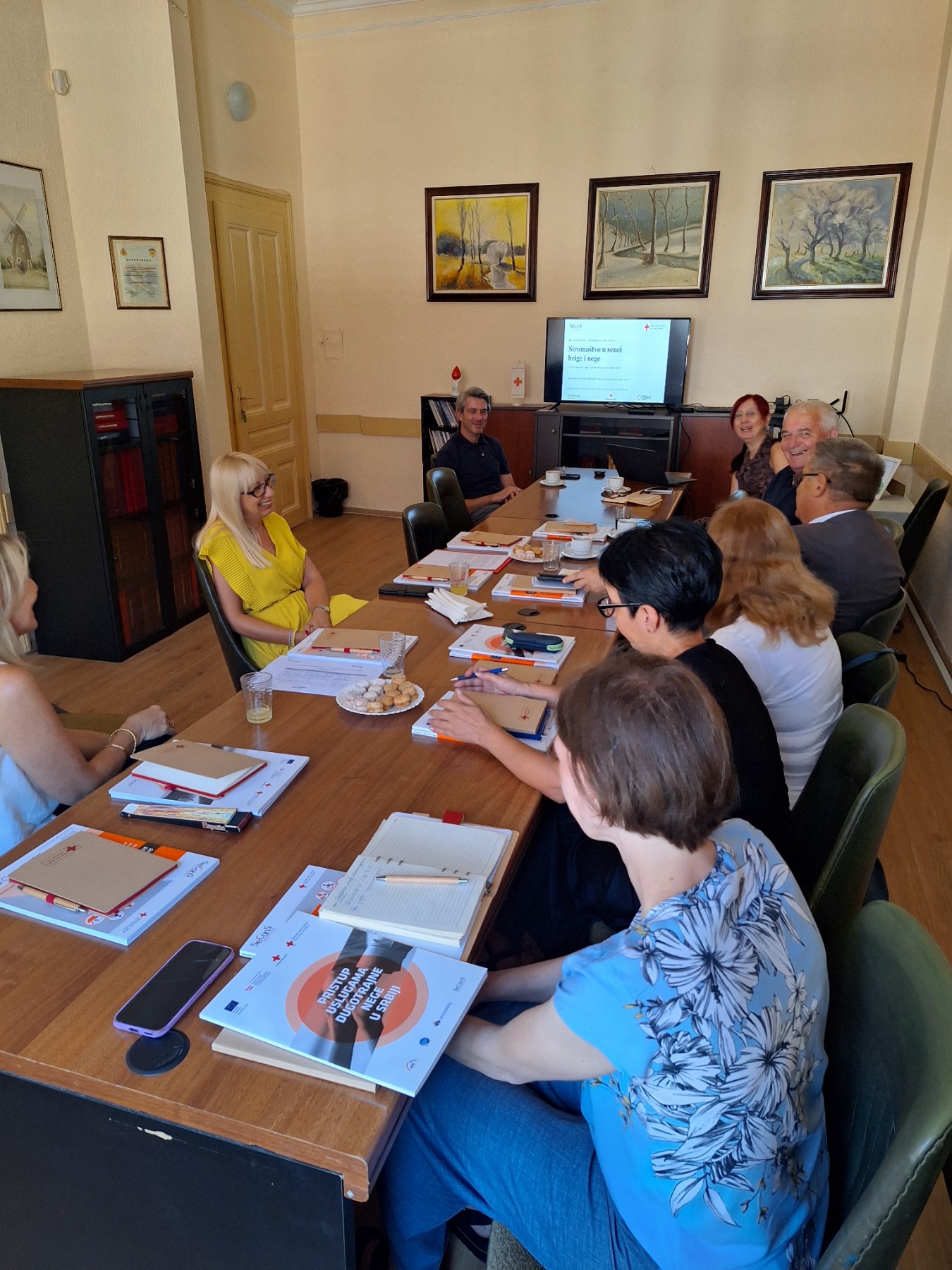
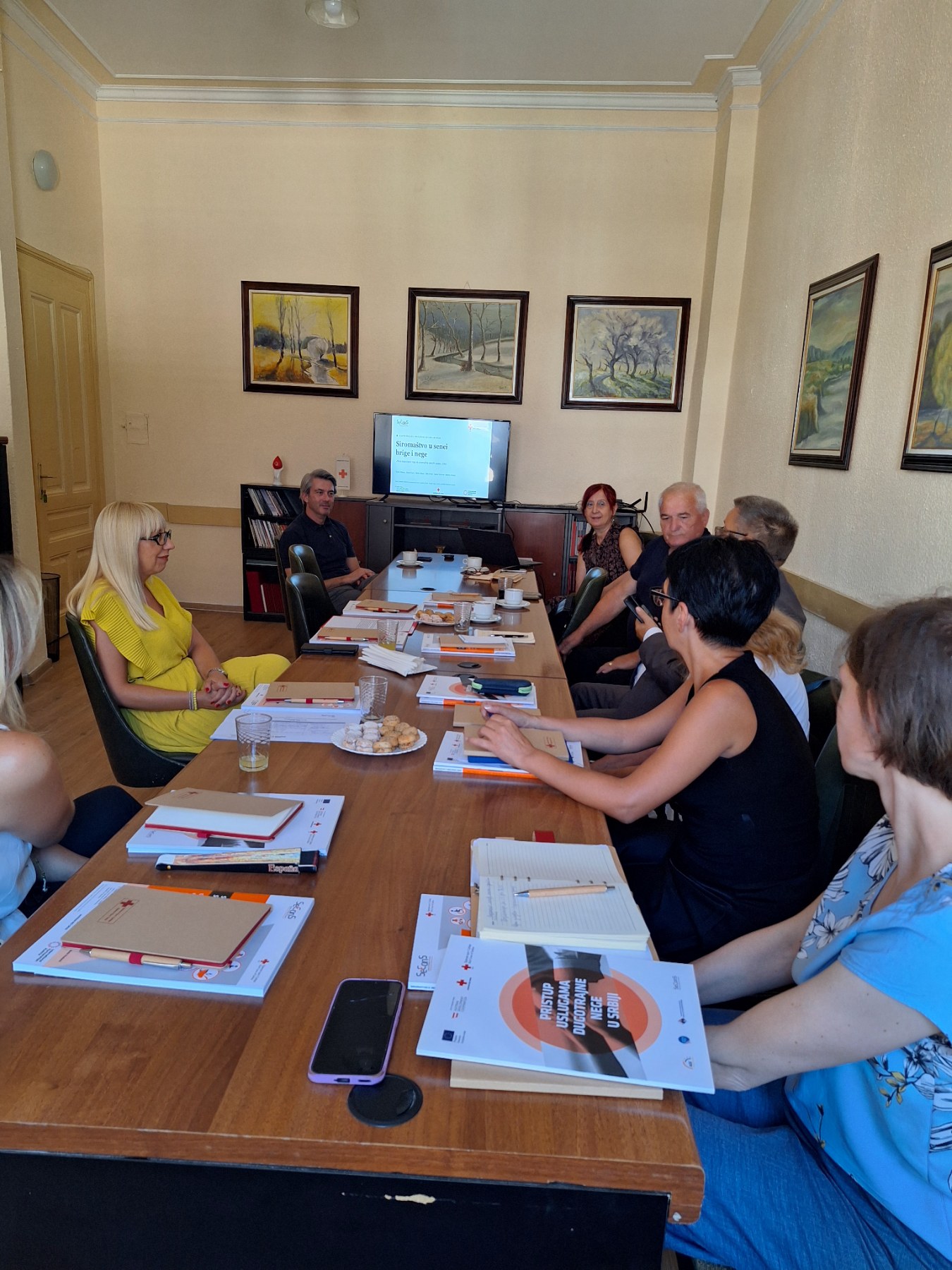
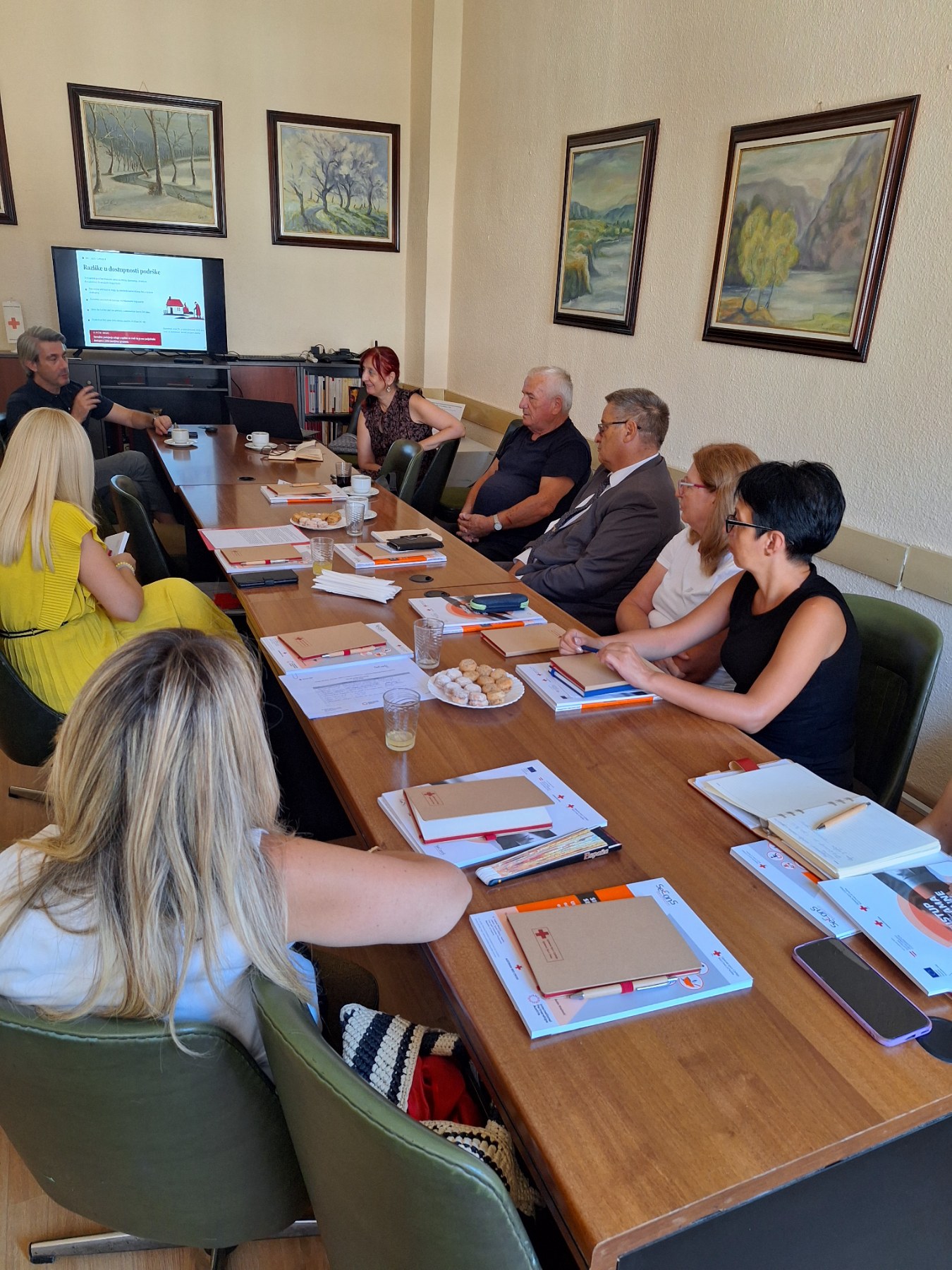
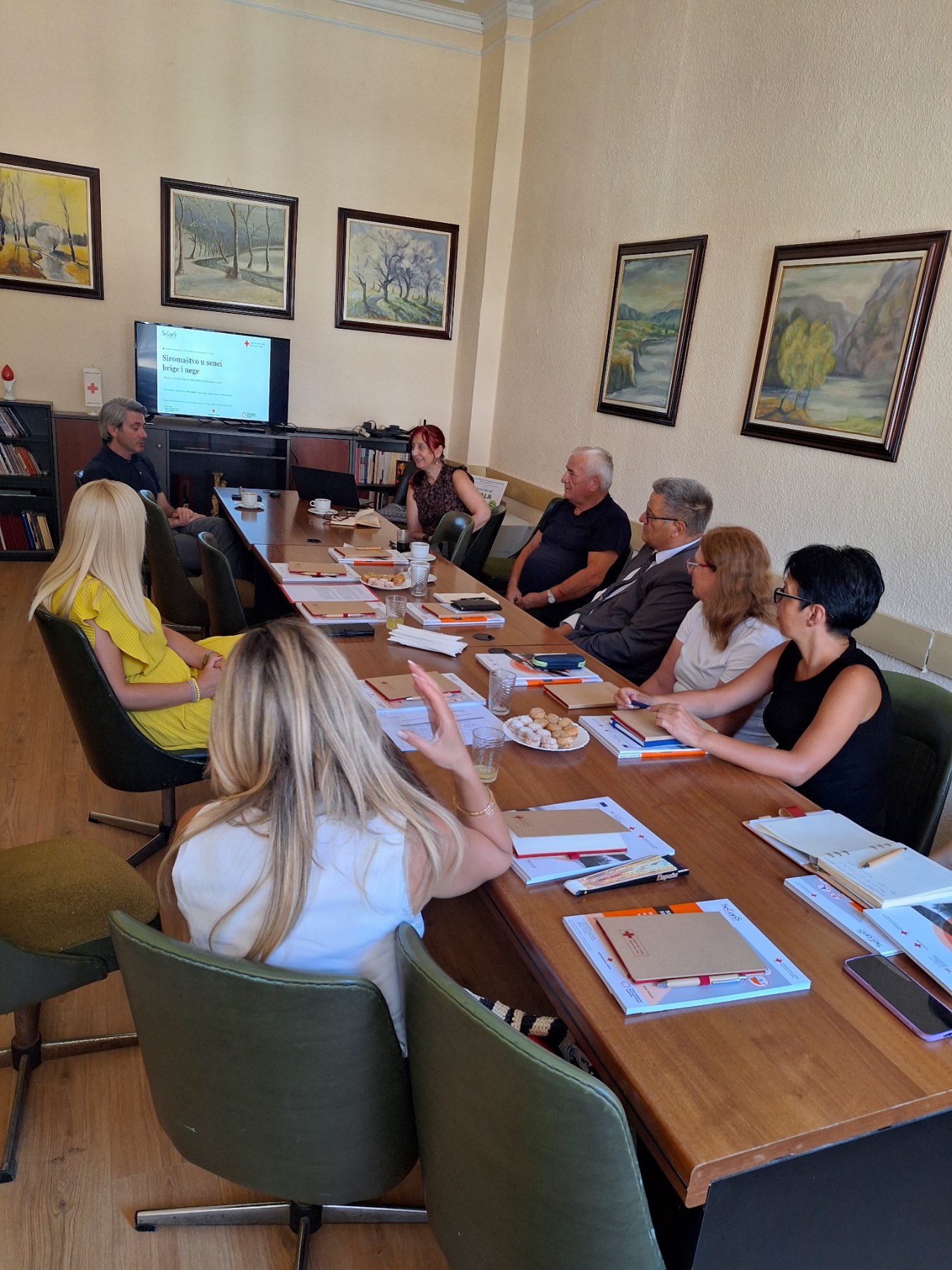
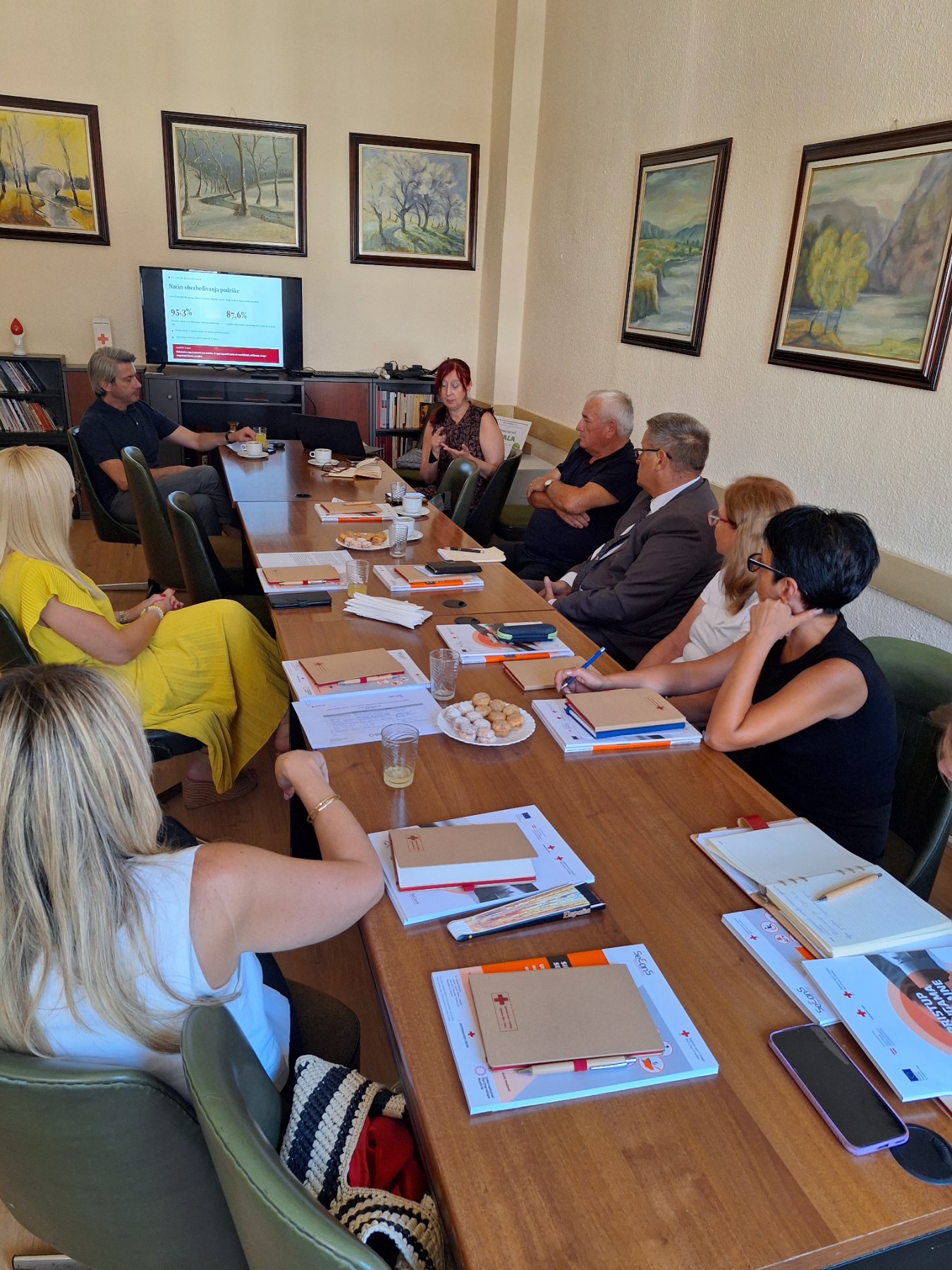
On 3 August 2026, the Red Cross of Niš hosted a presentation of the findings of the research study “Poverty in the Shadow of Care – The Impact of Long-Term Care Needs on the Risk of Poverty among Older People in Serbia.” The research was conducted within the SHAPE – Strengthening Access to Health Care, Participation and Social Equity in the Western Balkans project, implemented by the Red Cross of Serbia in partnership with the Austrian Red Cross and supported by the Austrian Federal Ministry of Social Affairs.
The research findings were presented by Natasa Todorovic and Dr Milutin Vracevic, highlighting the strong link between long-term care needs and the increased risk of poverty among older people in Serbia.
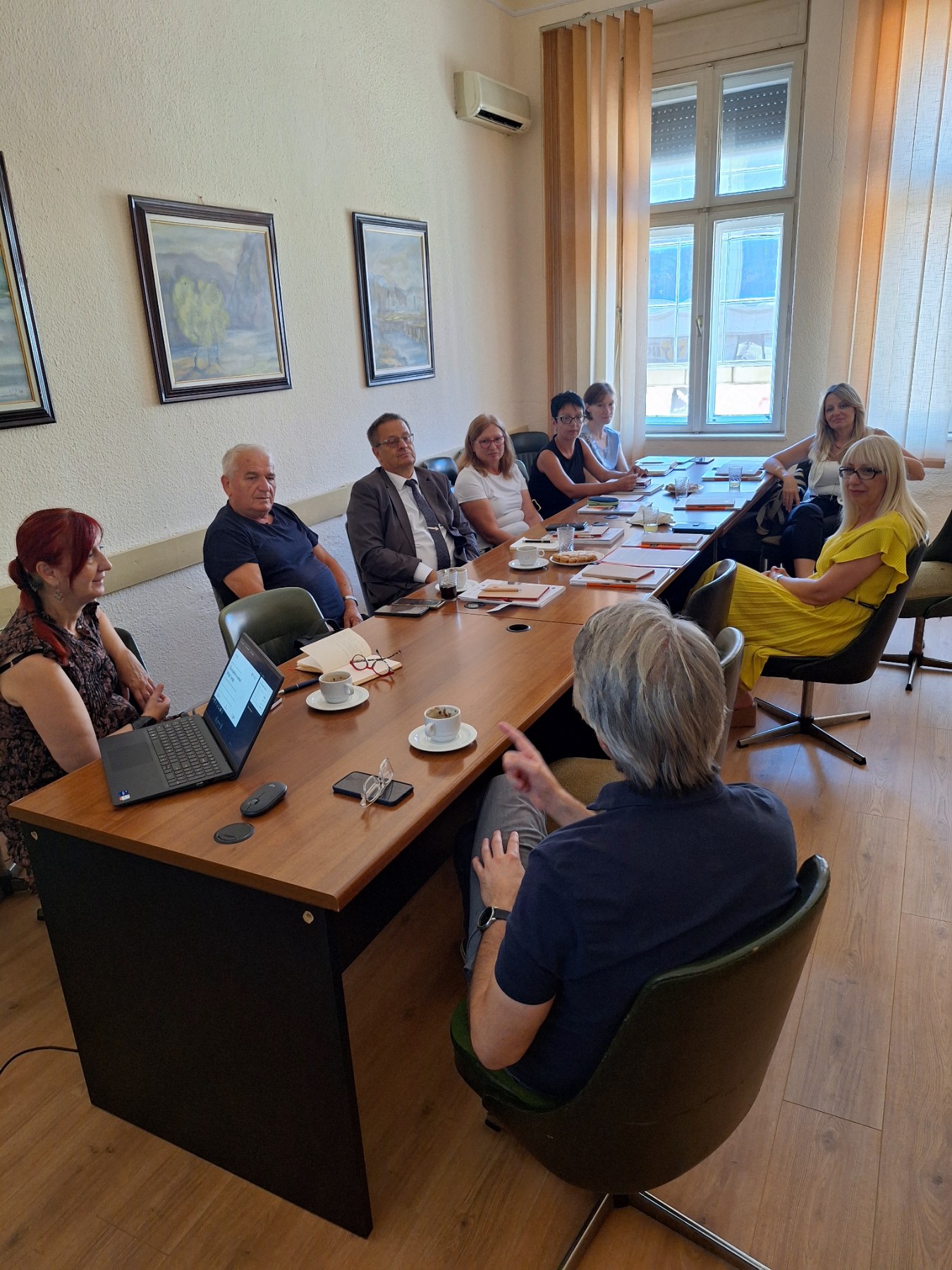
The event brought together representatives of social welfare centres, healthcare institutions, local government, pensioners' associations, organisations of persons with disabilities, the Red Cross, and other institutions and civil society organisations providing support to older people in Niš.
The presentation of both the quantitative and qualitative findings highlighted the numerous challenges faced by older people who require assistance with daily activities, as well as by their families and informal caregivers. Particular attention was given to the need for further development of community-based support services, stronger cooperation between the health and social care sectors, and increased support for family caregivers.
The presentation was followed by an interactive discussion in which participants shared their experiences and proposed priorities for improving the local long-term care system based on the research findings. The development of respite care services was identified as one of the most urgent needs, recognizing the importance of providing temporary relief and support to family members and informal caregivers who provide daily care for older relatives.
Participants also emphasized the specific challenges faced by older people living in rural areas, where access to health and social services is often limited and geographical isolation further increases vulnerability.
A key conclusion of the discussion was the need for much stronger coordination between the health, social care, and other relevant sectors. Participants noted that older people in need of long-term care too often become "invisible" within the system, with their needs identified too late, services remaining fragmented, and the burden of care falling almost entirely on their families. Strengthening intersectoral cooperation was therefore recognized as a prerequisite for developing a more accessible, integrated, and sustainable long-term care system.
The event in Niš is part of a broader series of local presentations of the research findings, aimed at fostering dialogue with policymakers, professionals, and service providers to support evidence-based policy development and improve services for older people, particularly those at greater risk of poverty due to long-term care needs.