Dementia: Challenges, Needs and Community Support Models
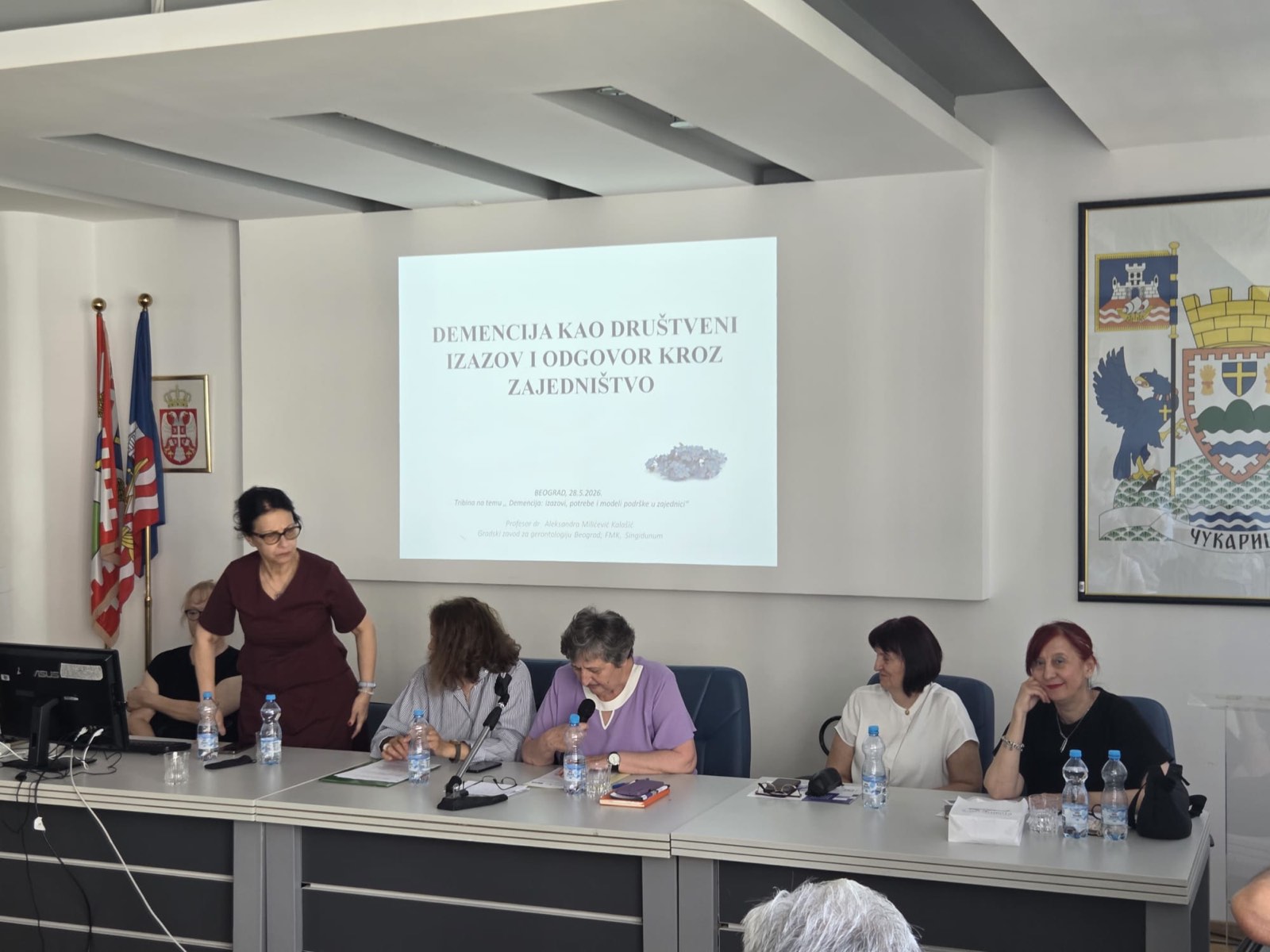
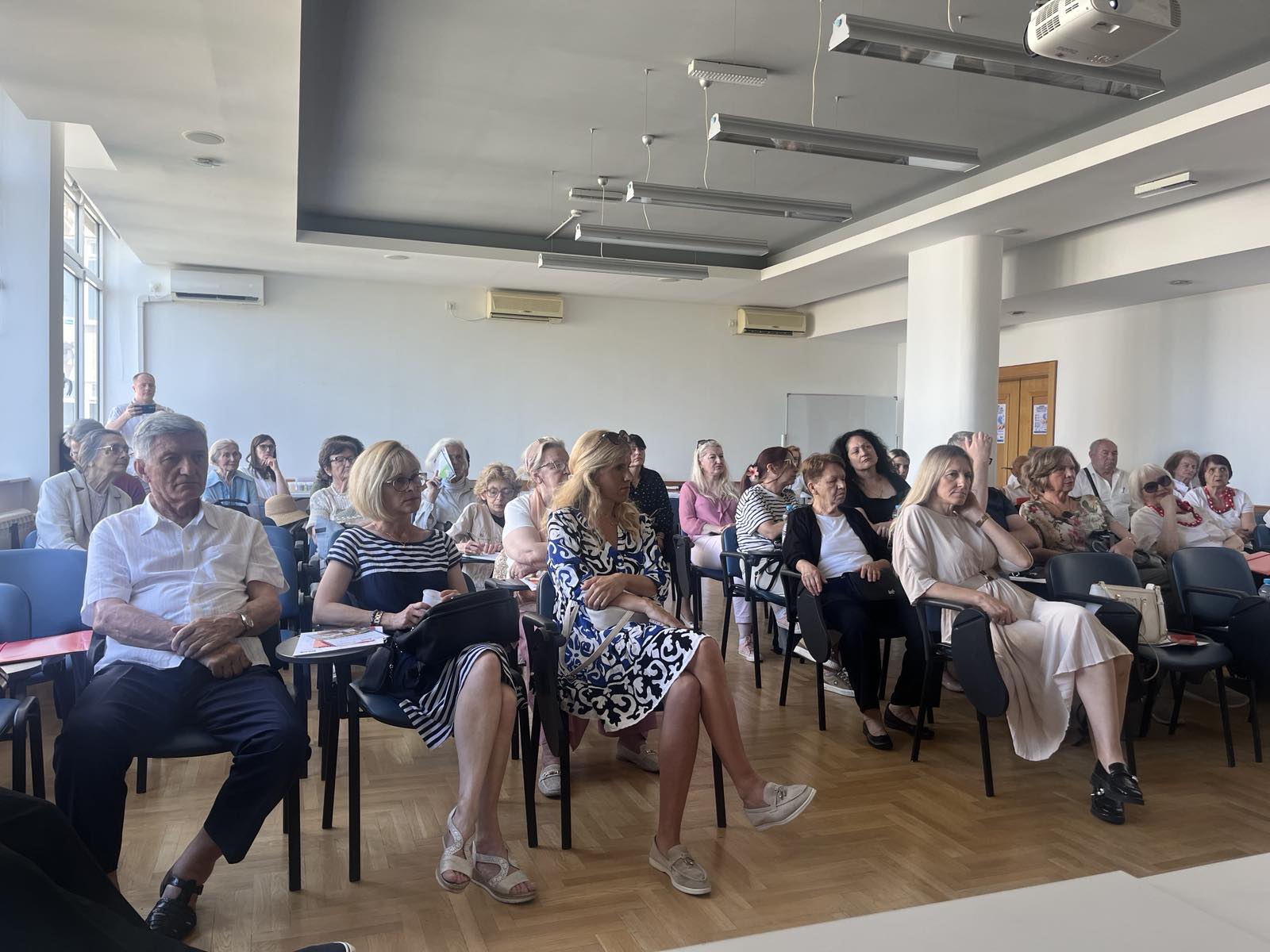
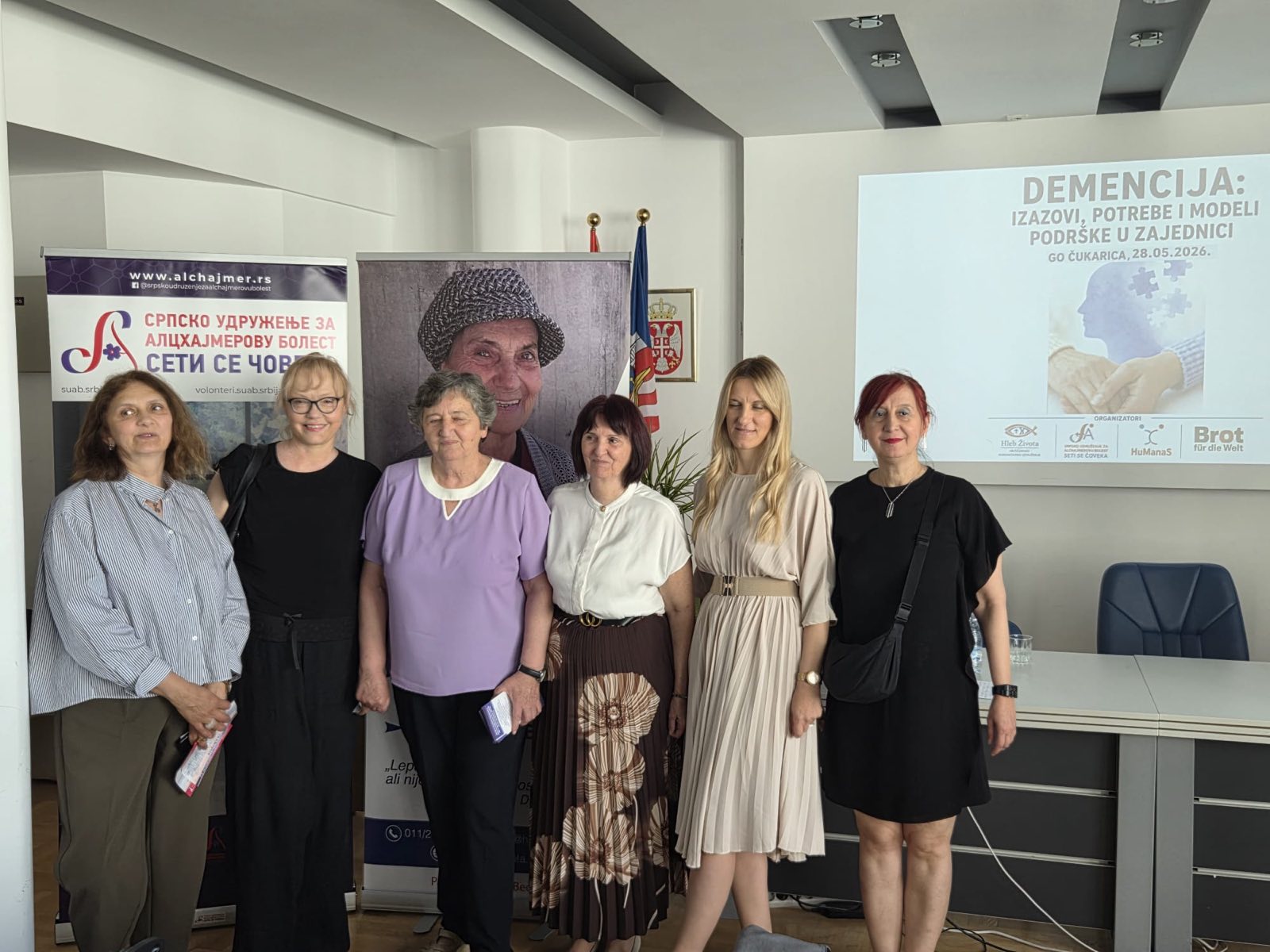
A panel discussion entitled “Dementia: Challenges, Needs and Models of Community Support” was held in the Grand Hall of the Municipality of Čukarica. The event was organized by SUAB, Hleb života (Bread of Life), and Humanas, with the aim of highlighting the importance of support for people living with dementia and their families, as well as the need to develop community-based services.
The panel brought together experts from the fields of healthcare, social welfare, and civil society organizations, who discussed the challenges faced by people living with dementia, as well as by family members who care for them.
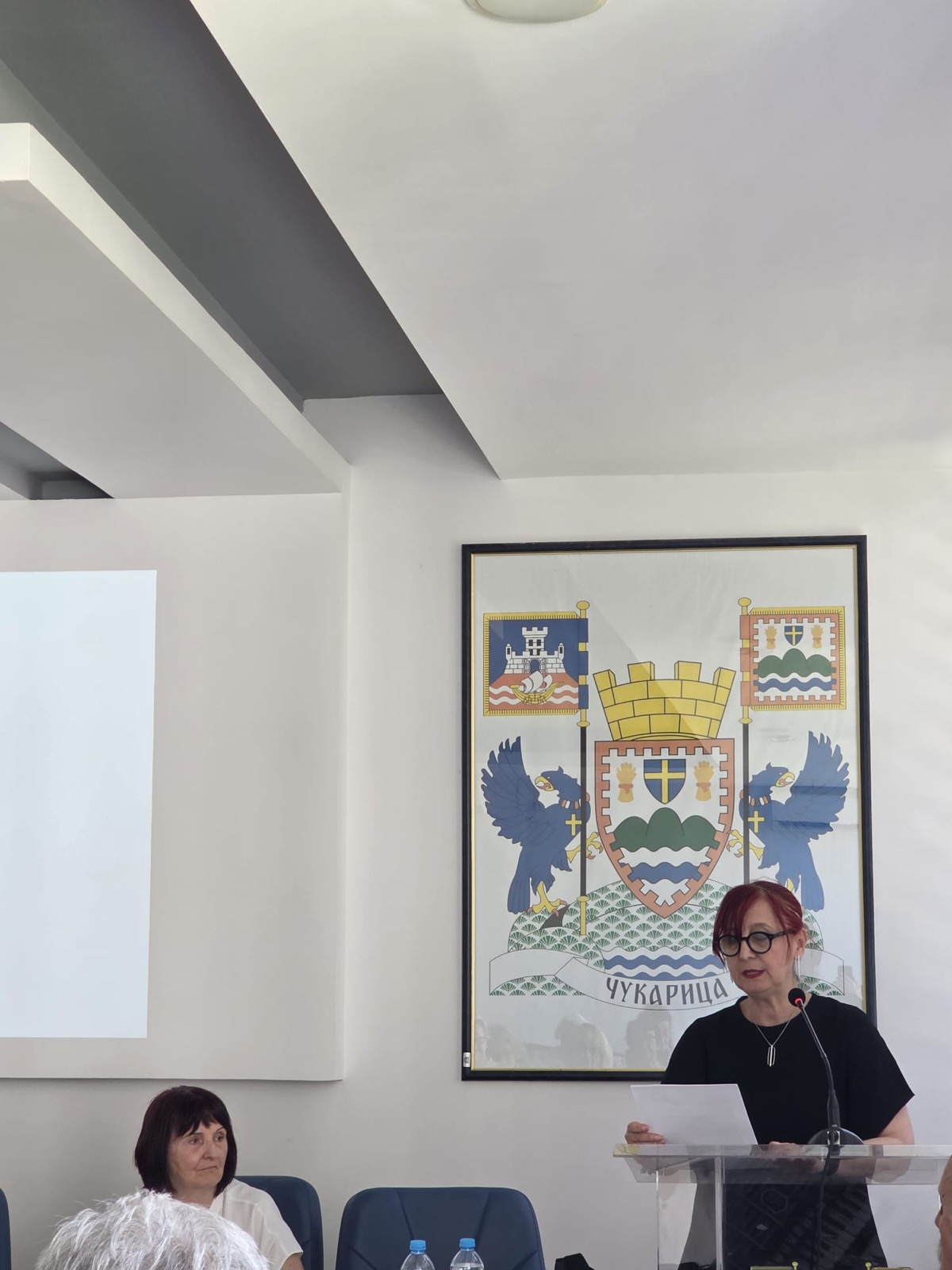
On behalf of the Red Cross of Serbia, Nataša Todorović delivered a presentation entitled “Dementia and Navigating the Maze of Caregiving and Challenges.” She emphasized that dementia affects not only the person living with the condition but also the entire family, especially informal caregivers who bear a significant burden of care on a daily basis, often without adequate support and information.
Dementia is one of the greatest medical, social, and ethical challenges of our time. It is caused by changes in the brain that lead to progressive loss of cognitive functions and, consequently, affect the quality of life of both the individual and their environment. This means that dementia is not merely a medical diagnosis; it is a condition that affects all levels of life, from the individual and family to society as a whole.
Particular emphasis was placed on the importance of developing community support services, ensuring access to information, providing psychosocial support to families, and strengthening intergenerational solidarity. The discussion also highlighted the need to combat the stigma and prejudice that still surround dementia, as well as the importance of early recognition of the disease and the involvement of different sectors in providing support.
The participants agreed that it is essential to strengthen coordinated cooperation among institutions, organizations, and local communities so that people living with dementia and their families can receive better support and have the opportunity to live wi