- news
- results of the study “the impact of long-term care on the poverty of older persons in serbia” presented in zaječar
Results of the Study “The Impact of Long-Term Care on the Poverty of Older Persons in Serbia” Presented in Zaječar
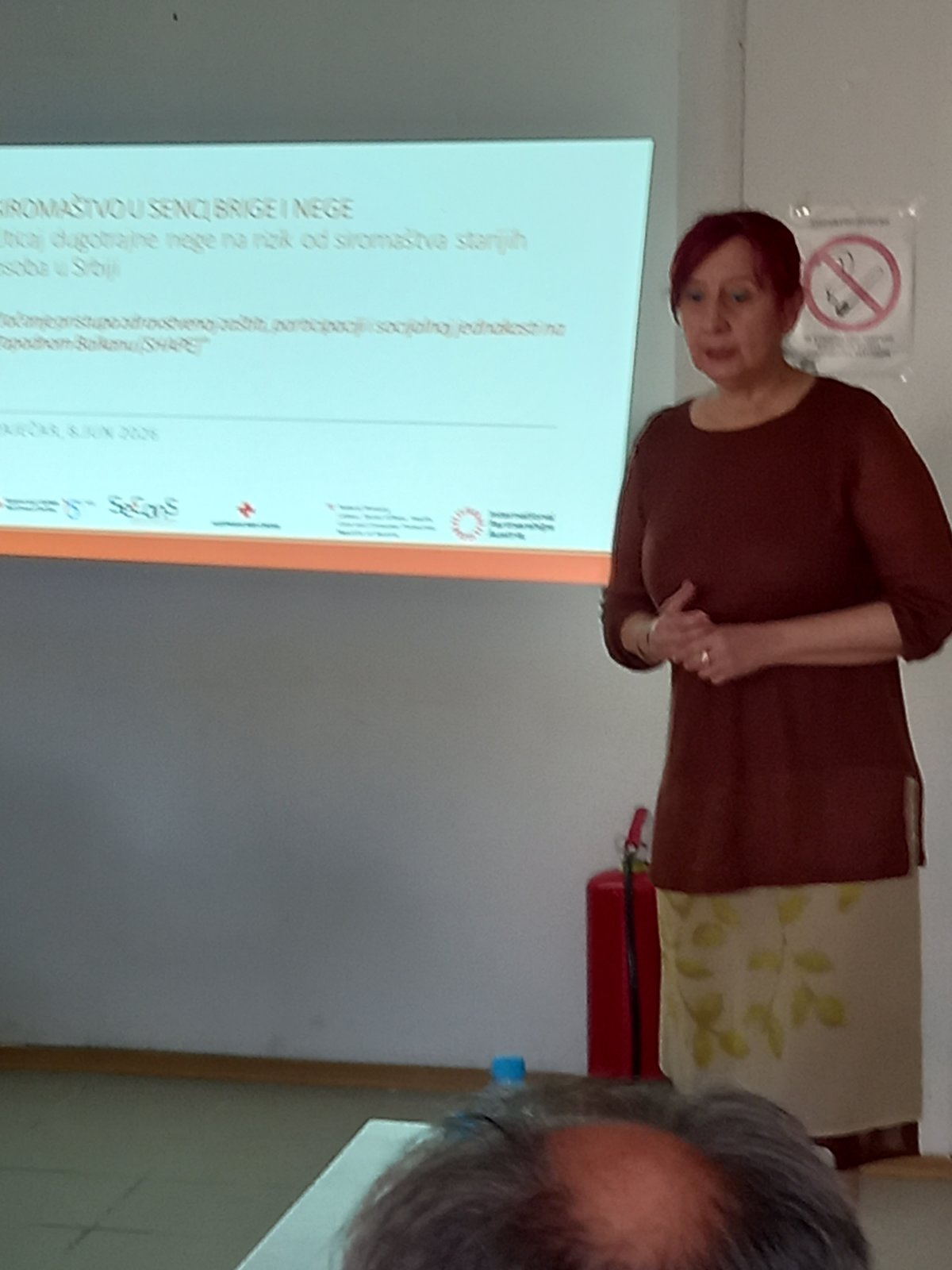
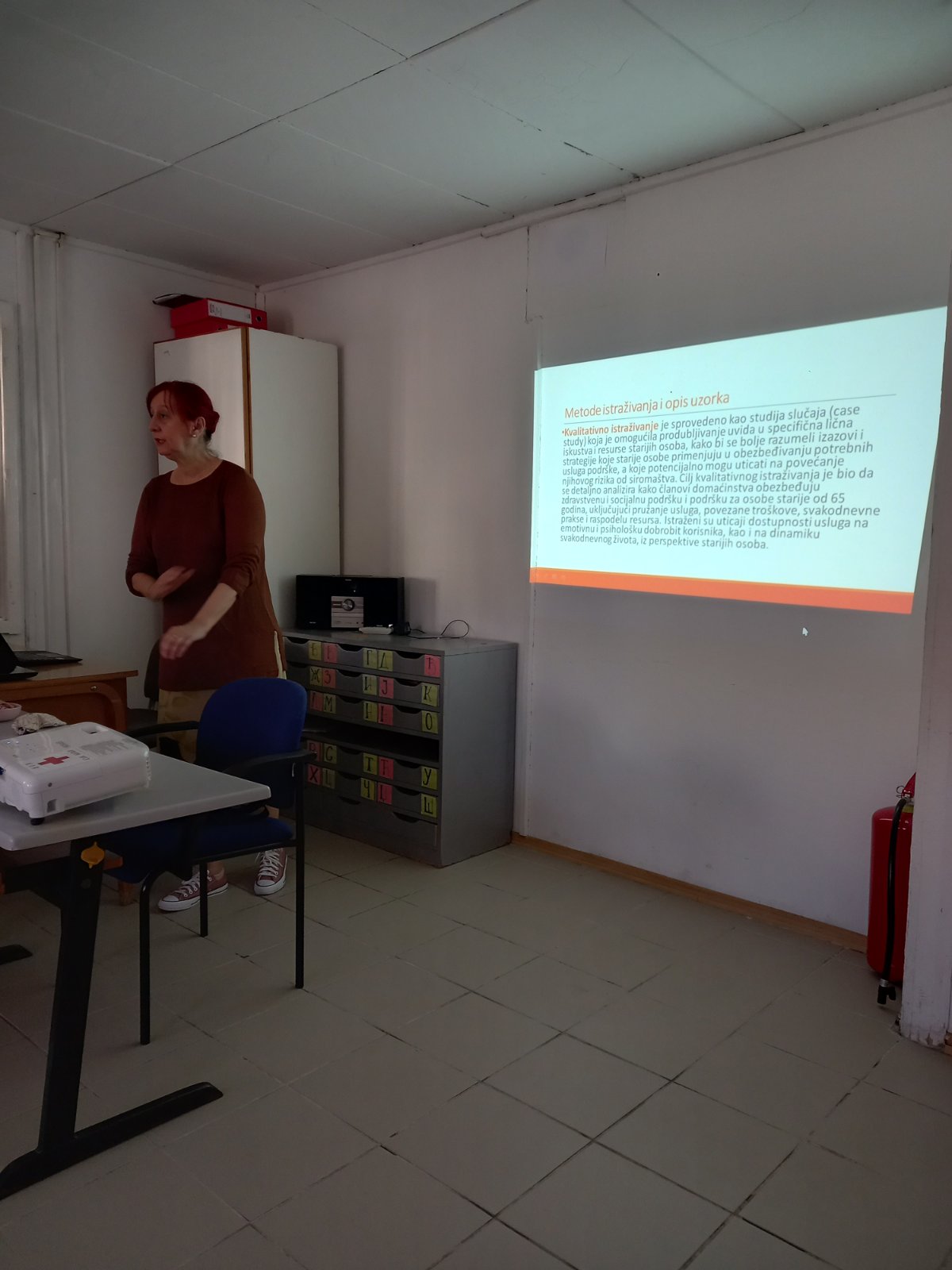
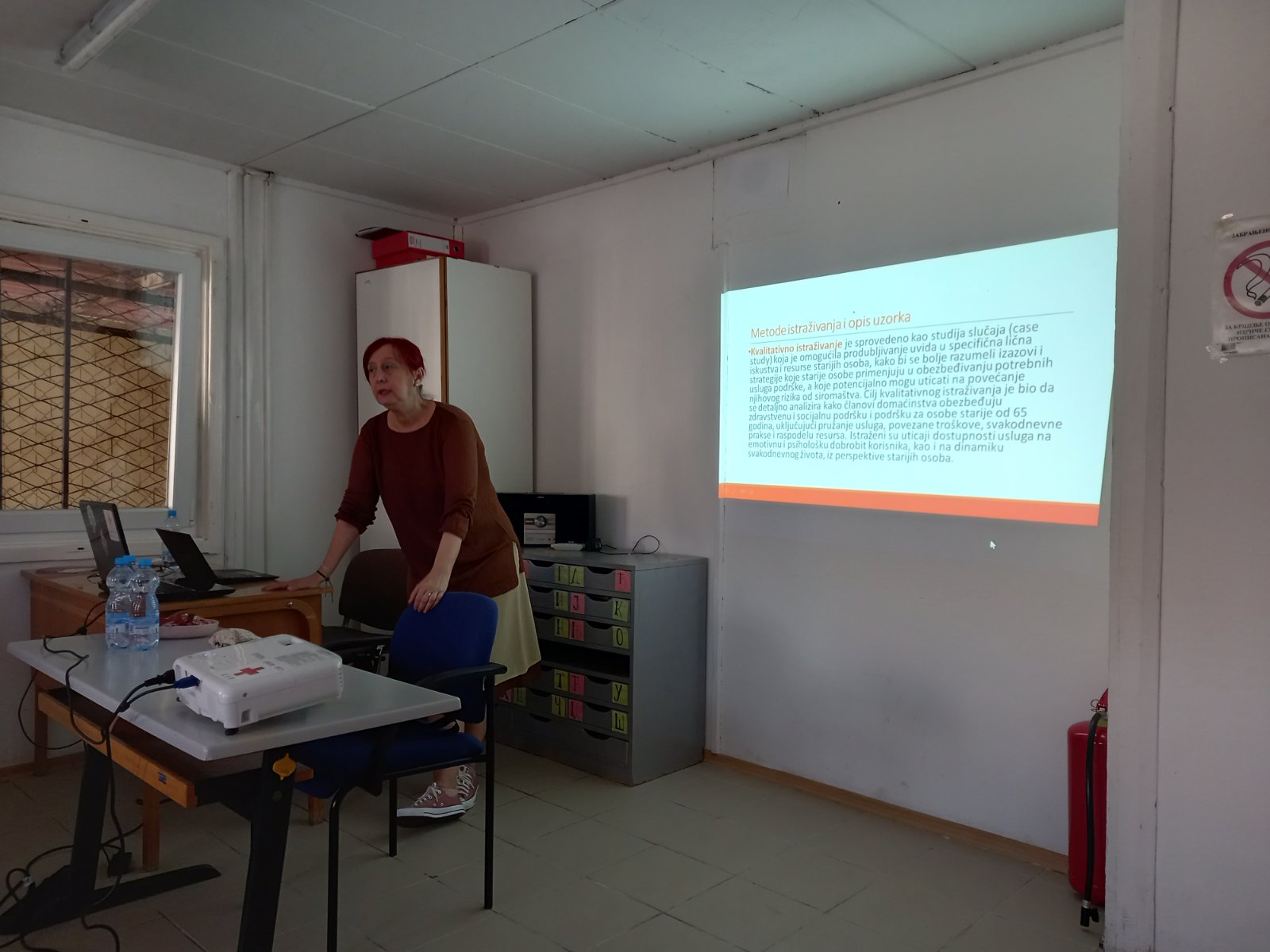
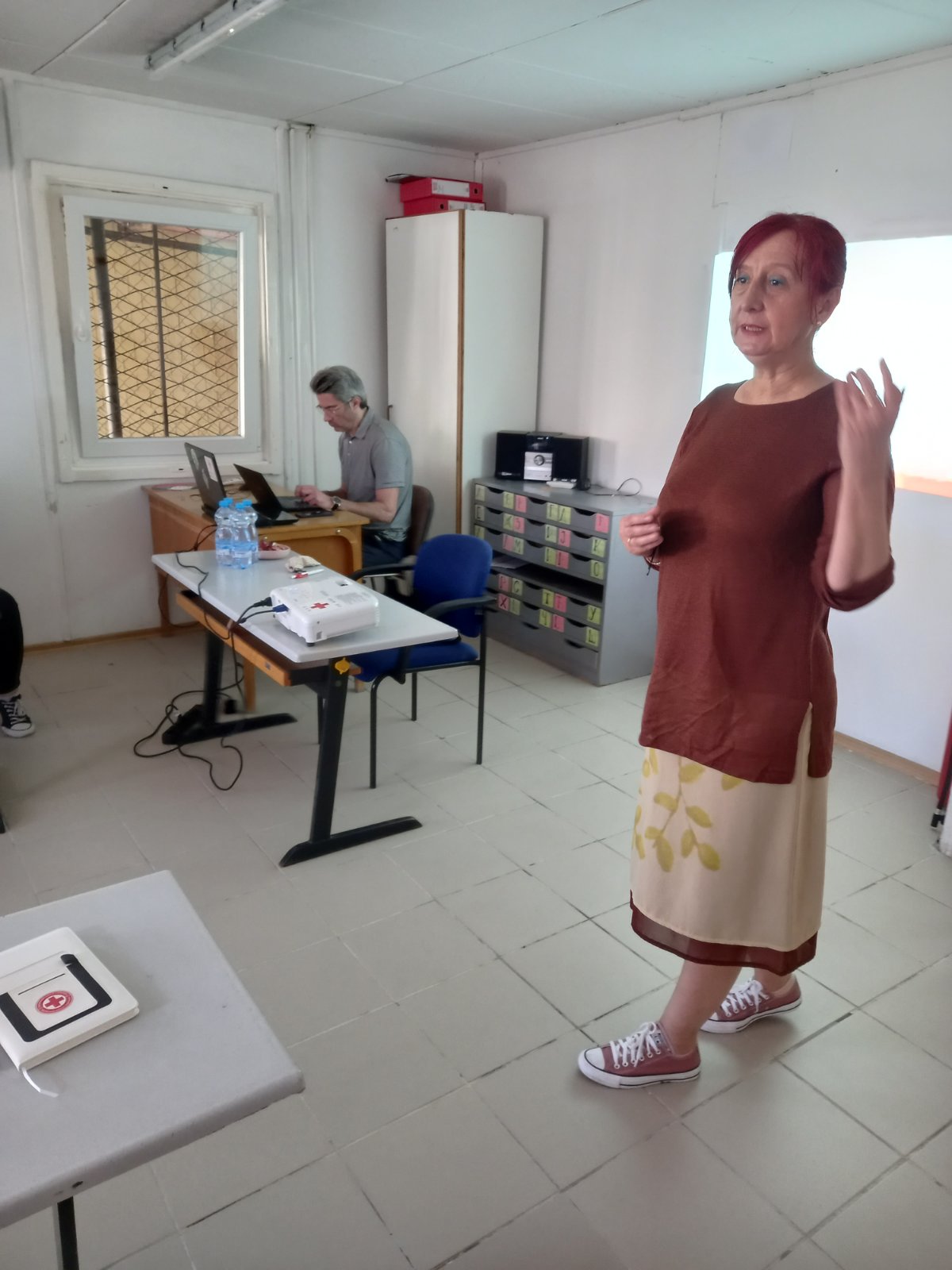
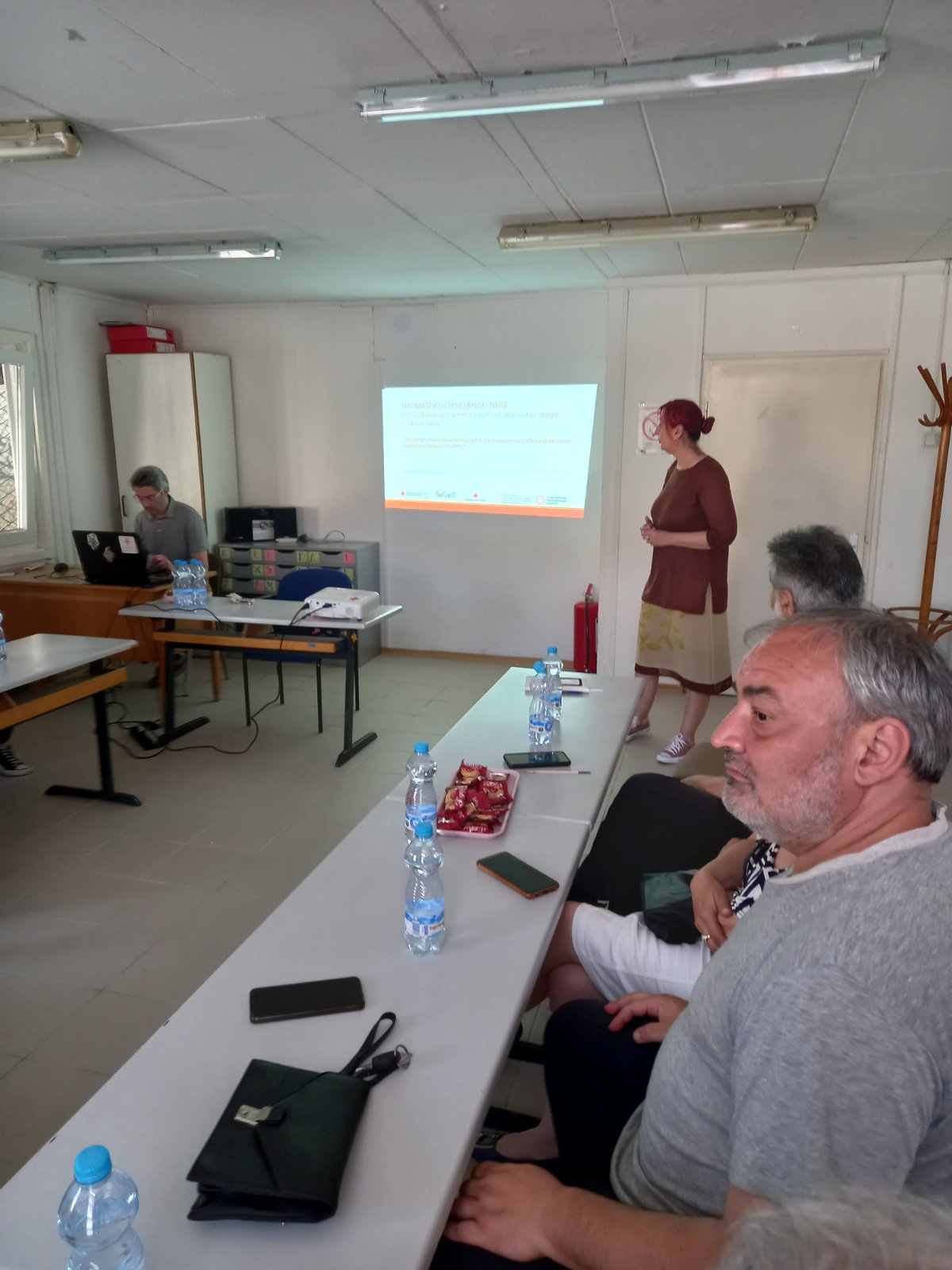
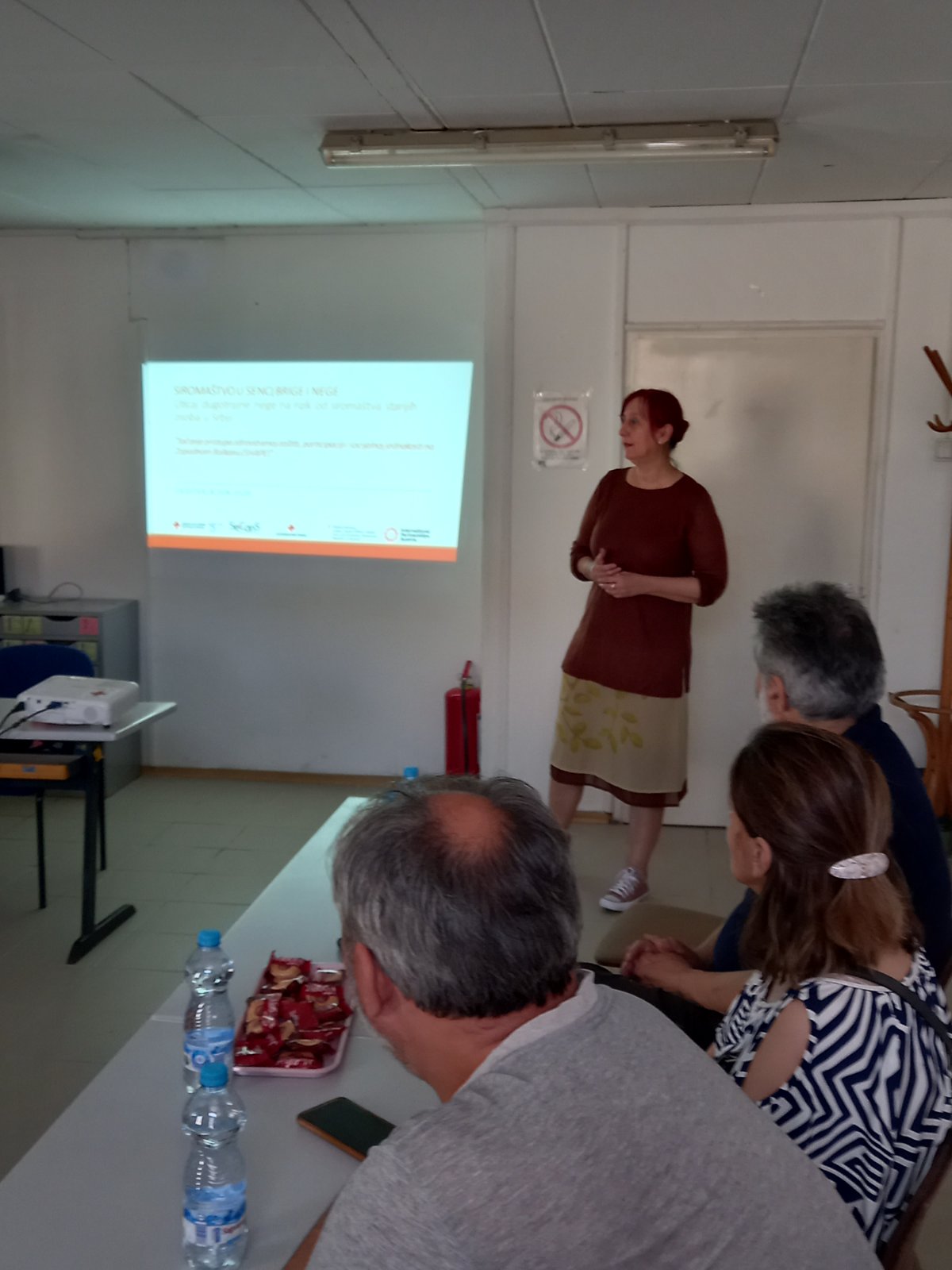
On 8 June 2026, a presentation of the study “The Impact of Long-Term Care on the Poverty of Older Persons in Serbia” was held in Zaječar as part of the SHAPE project – “Strengthening Health Access, Participation and Equity in the Western Balkans.”
The study findings were presented by Natasa Todorovic and Dr Milutin Vracevic, who introduced participants to the key findings on the relationship between long-term care needs and the risk of poverty among older persons in Serbia.
The event brought together representatives of the Centre for Social Work, the Primary Health Care Centre, the Pensioners’ Association, organizations of persons with disabilities, local government representatives, and other institutions and organizations providing support to older persons.
During the presentation, the results of both the quantitative and qualitative research were discussed, highlighting the challenges faced by older persons who require support in their daily lives, as well as by their families and informal caregivers. Particular attention was given to the importance of expanding community-based support services, improving coordination between the health and social care sectors, and strengthening support for family caregivers.
The discussion that followed provided an opportunity for participants to exchange practical experiences and explore ways to improve the long-term care system at the local level. Participants emphasized the importance of developing integrated services that enable older persons to remain in their homes and communities for as long as possible while preserving their dignity, quality of life, and financial security.
The event in Zaječar is part of a broader effort to disseminate the study findings and advocate for improved policies and services for older persons, particularly those facing an increased risk of poverty due to long-term care needs.