- news
- poverty in the shadow of care: research findings on long-term care for older people in serbia presented in sombor
Poverty in the Shadow of Care: Research Findings on Long-Term Care for Older People in Serbia Presented in Sombor
What happens when an older person needs daily assistance and the family can no longer carry the burden of care on its own? Does the need for long-term care increase the risk of poverty, and how accessible are existing support services to those who need them most?
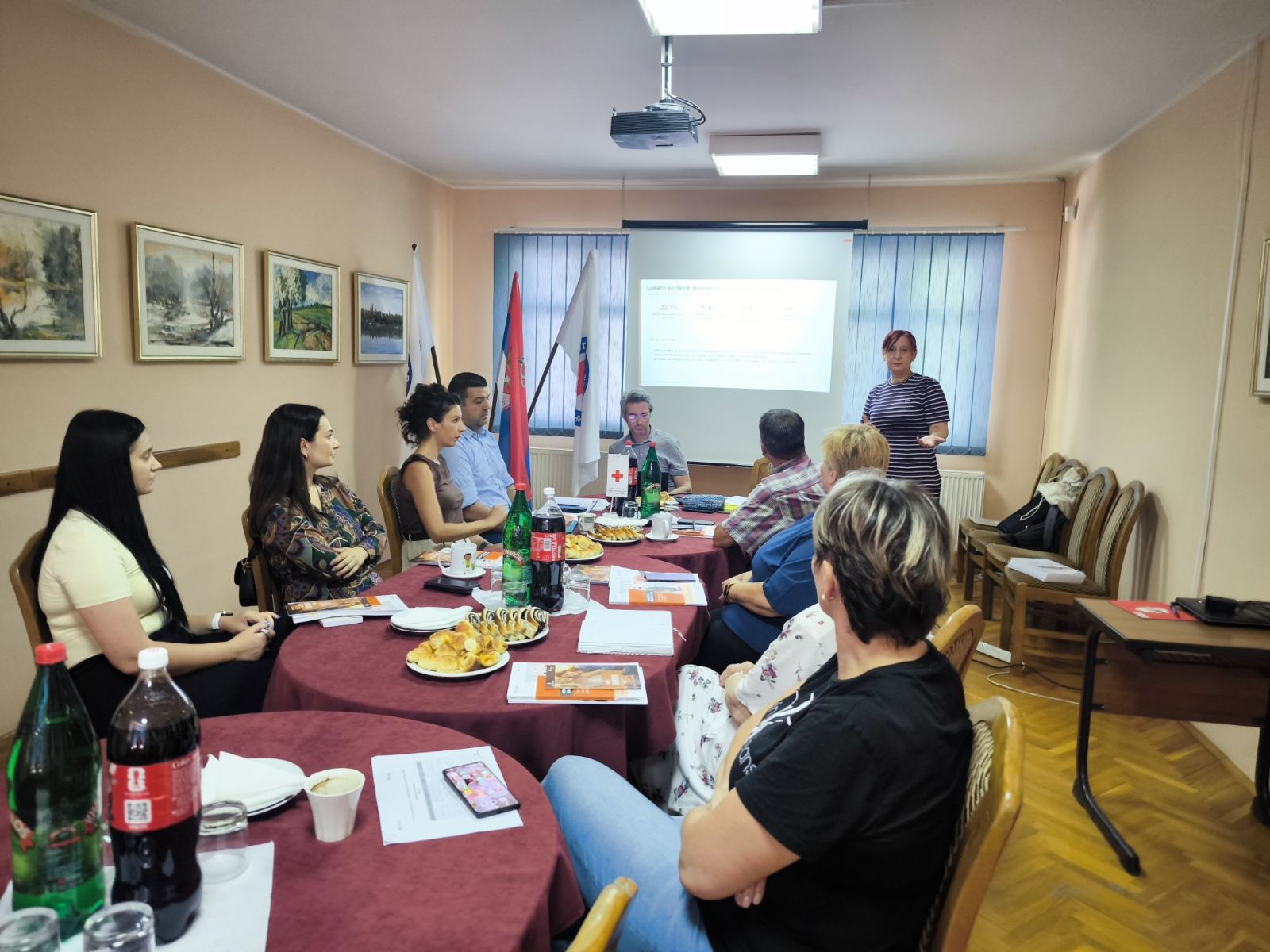
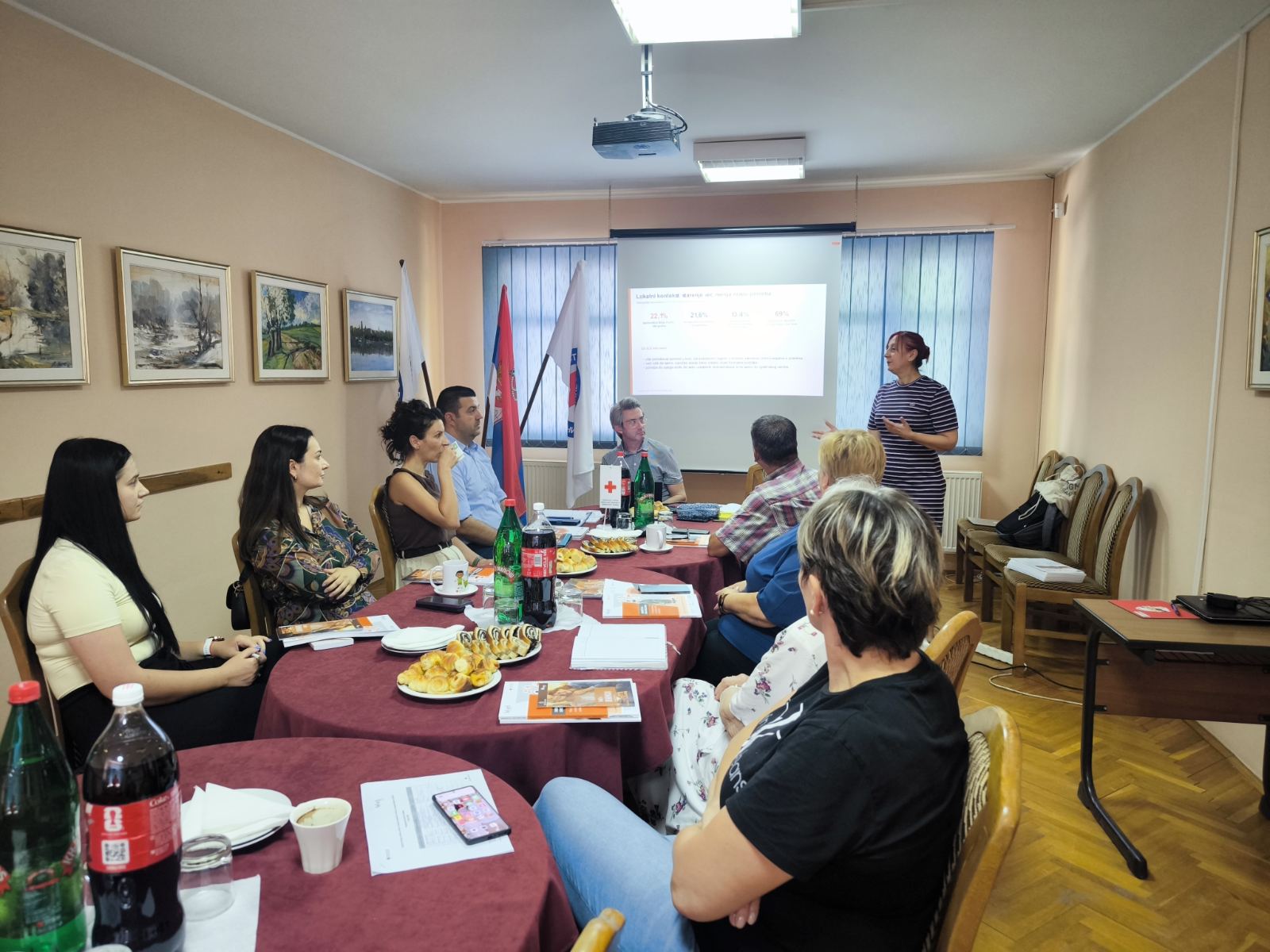
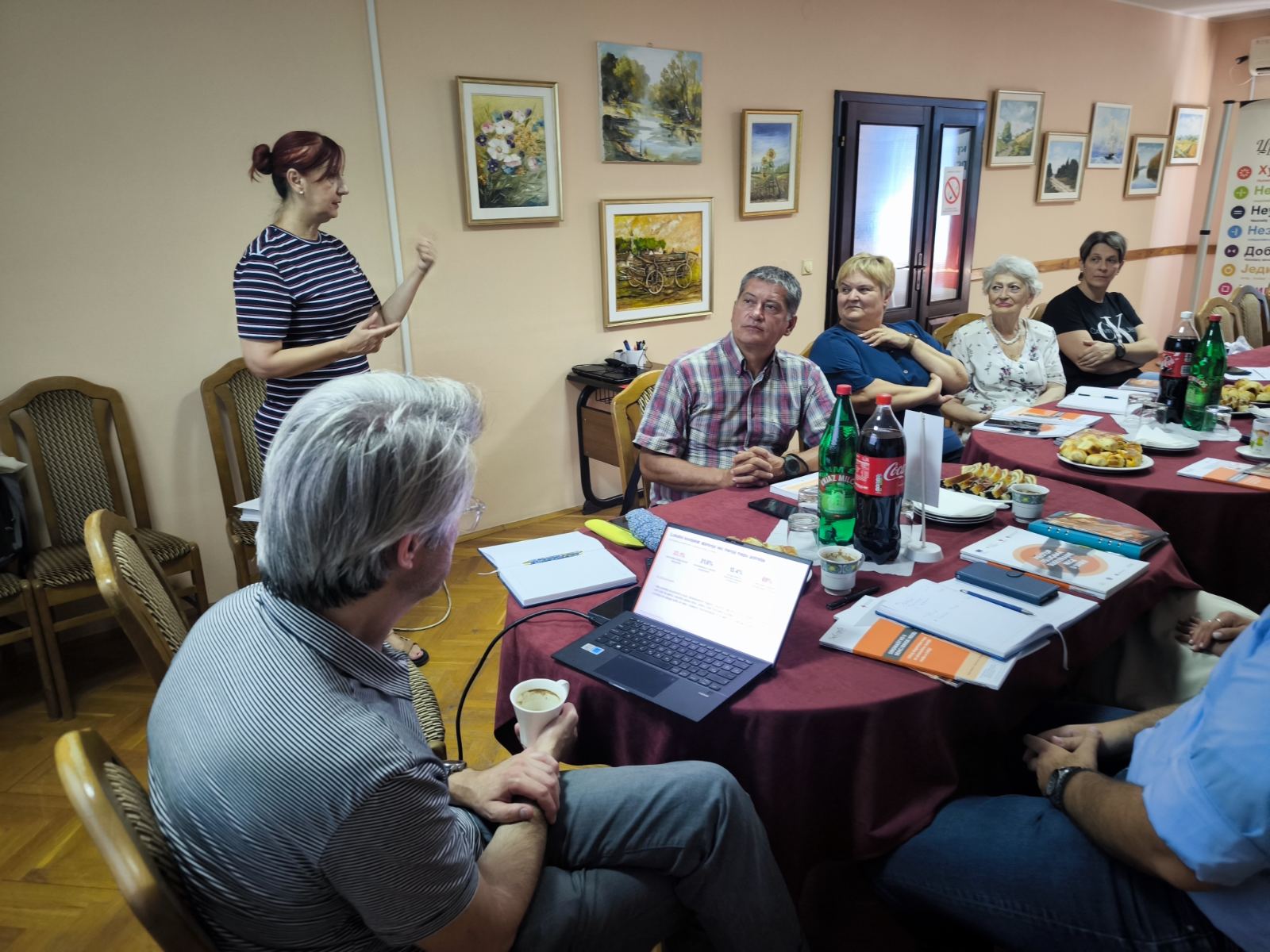
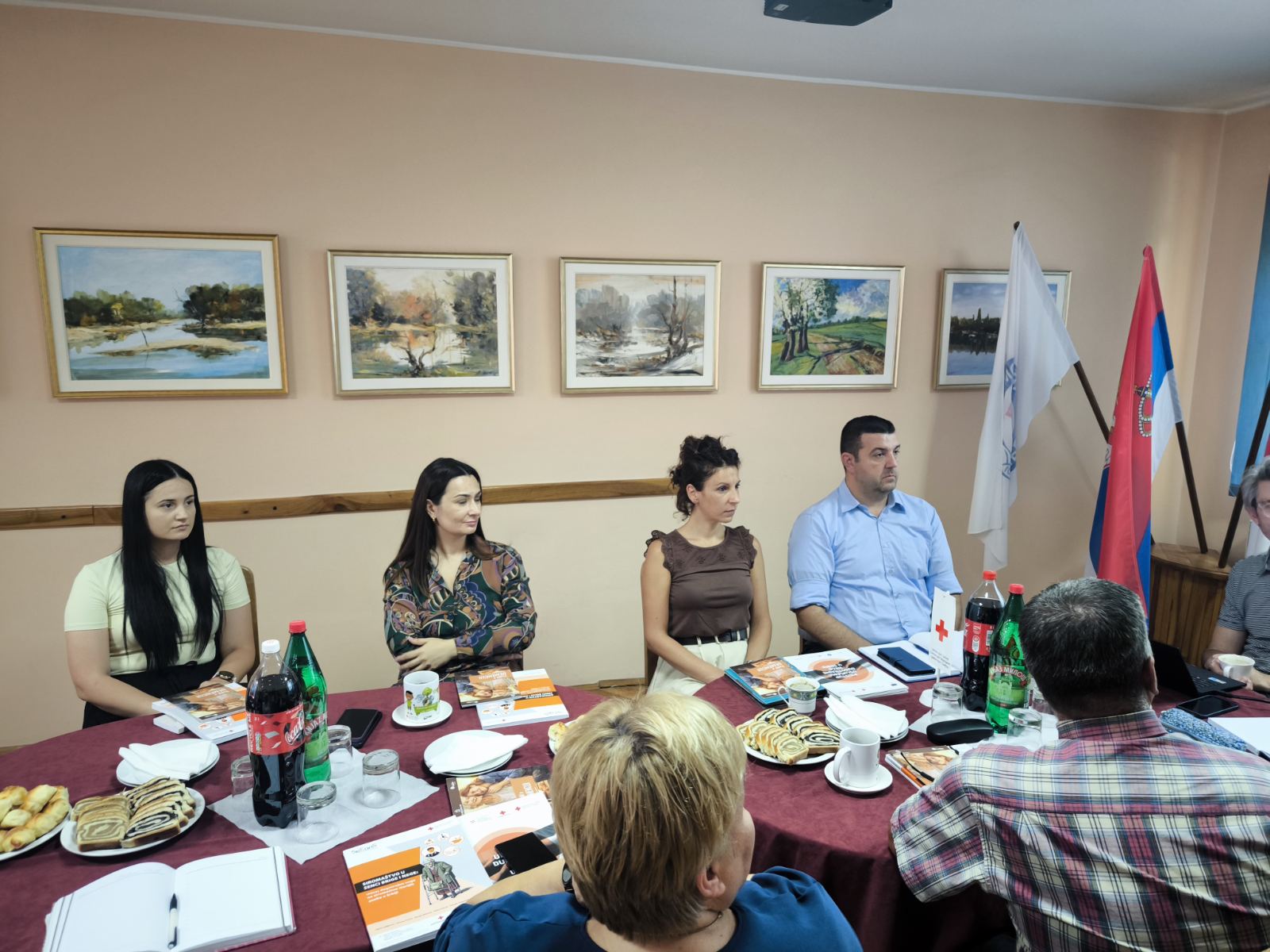
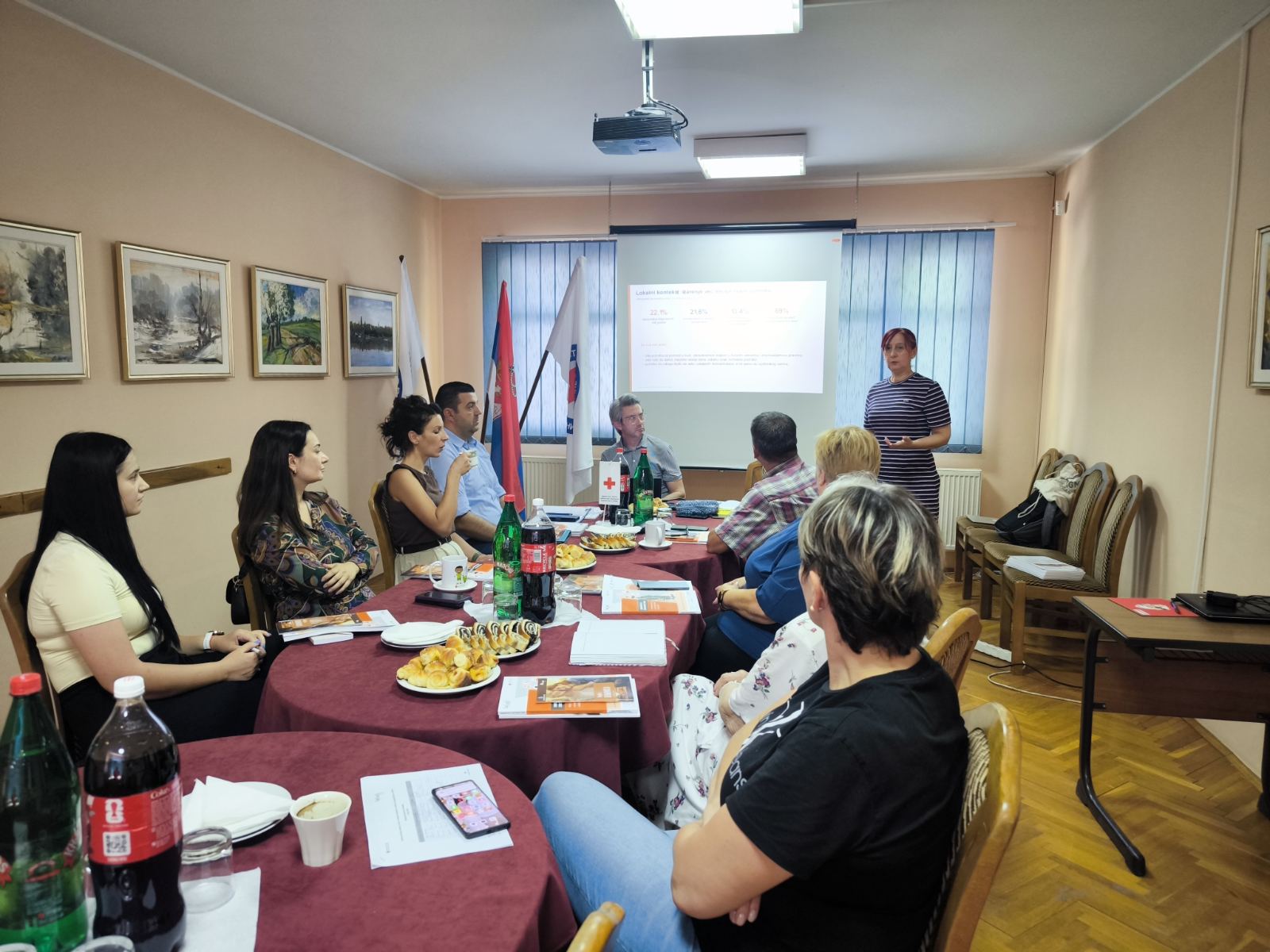
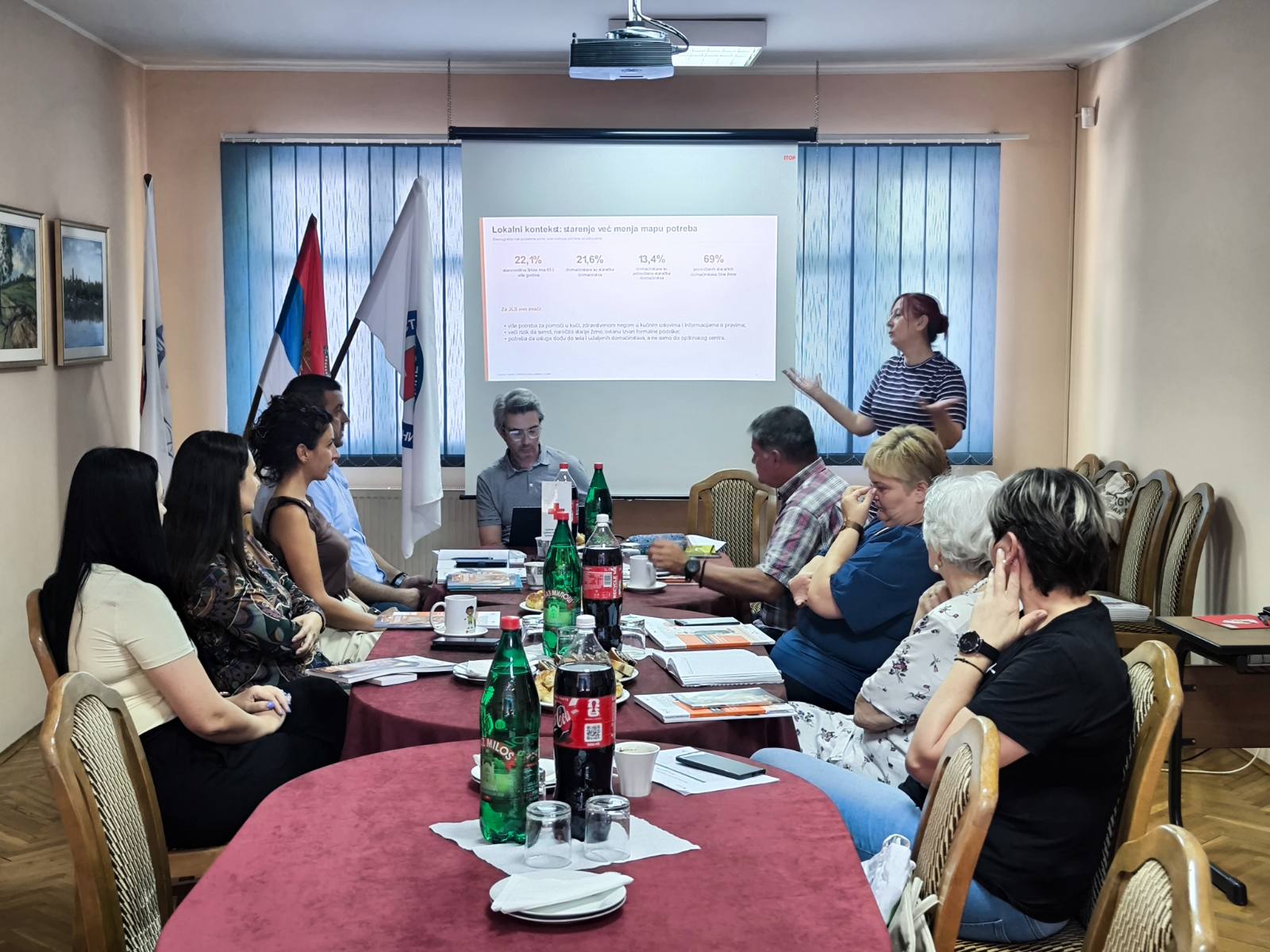
These were some of the issues discussed on 10 August at the Red Cross of Sombor, where the findings of the research “POVERTY BENEATH THE BURDEN OF CARE: The Impact of Long-Term Care on the Poverty of Older Persons in Serbia” were presented. The research was conducted within the SHAPE – Strengthening Access to Health Care, Participation and Social Equality in the Western Balkans project, implemented by the Red Cross of Serbia in cooperation with the Austrian Red Cross, with the support of the Austrian Federal Ministry of Labour, Social Affairs, Health, Care and Consumer Protection.
The findings were presented by Nataša Todorović and Dr Milutin Vračević, highlighting a clear link between the need for long-term care and an increased risk of poverty among older people in Serbia. The research also showed that the consequences are not borne only by those who need care. A significant share of the burden remains with families and informal caregivers, who often lack adequate support, information and accessible services.
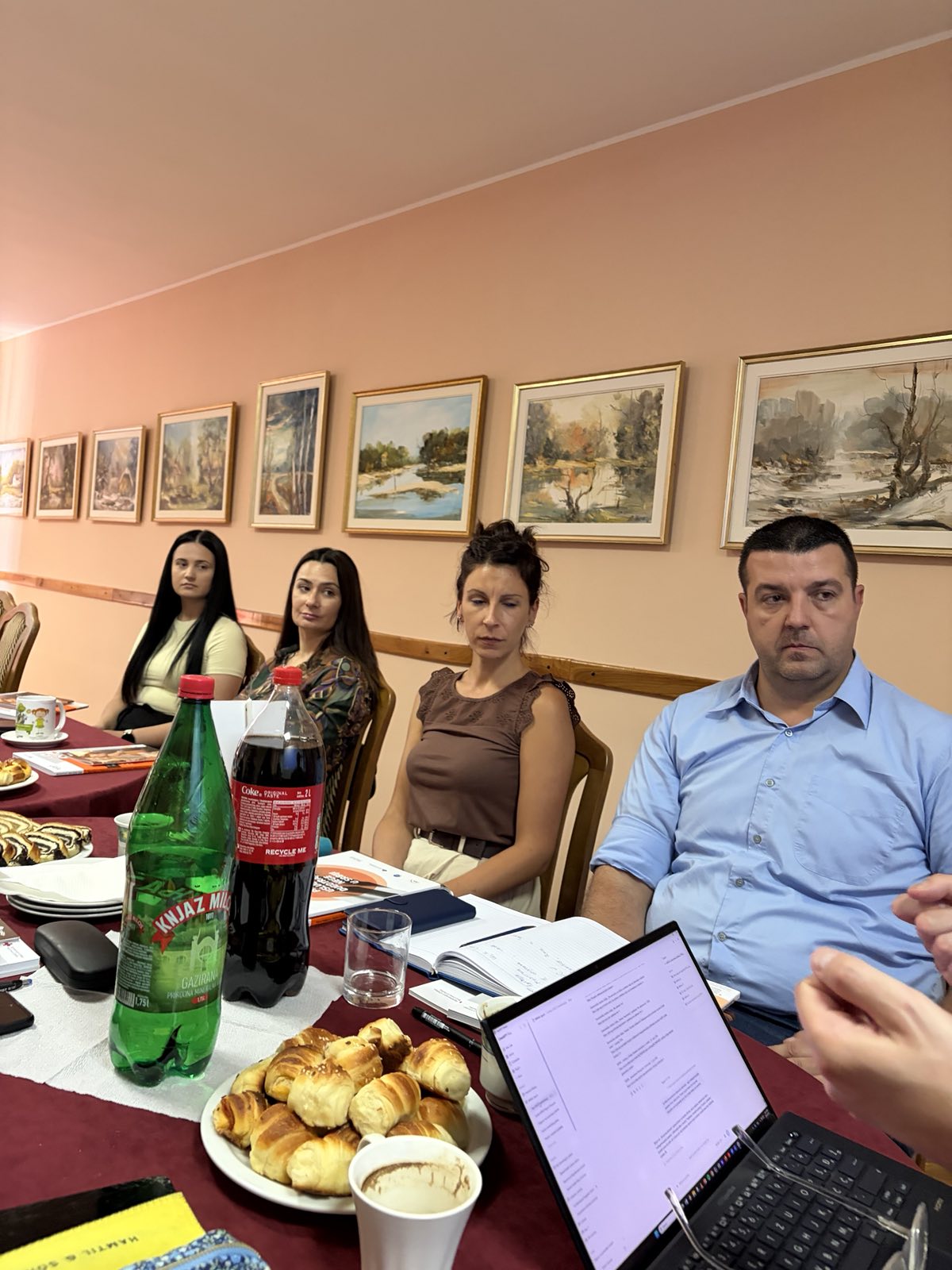
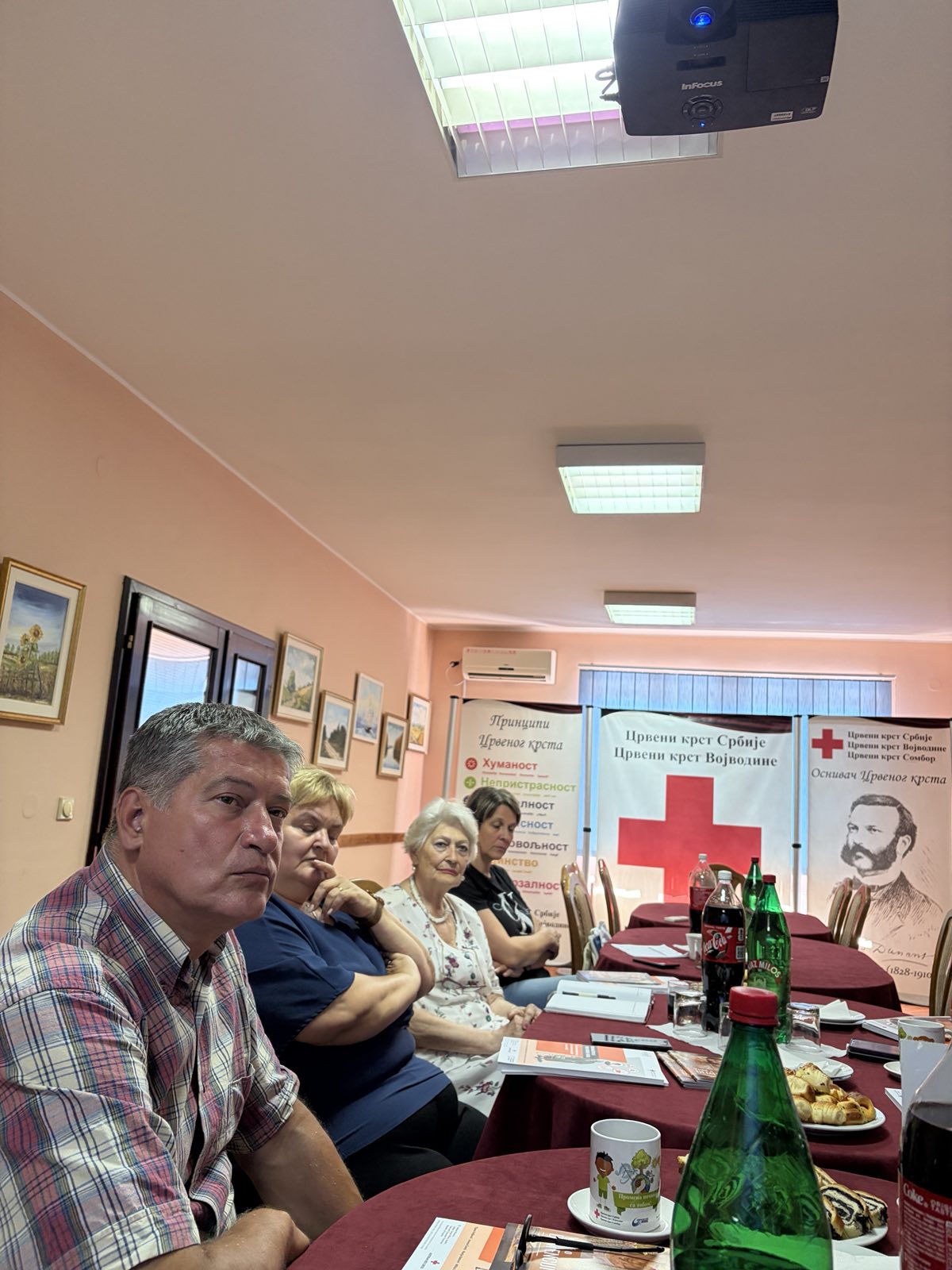
Representatives of the Centre for Social Work, the City of Sombor, health-care institutions, associations of pensioners and persons with disabilities, the Red Cross, and other organizations working with older people attended the presentation.
Sombor is recognized as an example of good practice and is part of the World Health Organization’s Age-friendly Cities and Communities network. Different stakeholders in the local community cooperate well and coordinate activities aimed at supporting older people. Nevertheless, the discussion showed that even where support mechanisms and cooperation are well developed, challenges remain and require further attention.
Following the presentation, participants discussed what has so far been achieved in Sombor in the area of protection and support for older people, as well as the challenges faced by the local community. The discussion highlighted the importance of connecting practical experience with research findings and identifying services that are still missing or insufficiently developed.
One of the key needs highlighted was the development of respite services for families caring for older people, as long-term caregiving can represent a significant physical, emotional and financial burden for family members. Supporting families is not only about helping caregivers; it is also an important prerequisite for enabling older people to remain in their own homes and communities for as long as possible.
Another important need identified was the availability of services for people experiencing homelessness, including the development of shelters and other forms of support, both during the winter months and periods of high summer temperatures. Older people who simultaneously face health problems, difficulties with everyday functioning and insecure or inadequate housing conditions are particularly vulnerable.
Participants also emphasized the importance of stronger links between the health and social protection systems, as well as better cooperation among all other stakeholders in the local community. Only through a coordinated approach can continuity of support be ensured and older people who are most in need of assistance prevented from falling “between the cracks” of different systems.
The presentation of the research findings in Sombor is part of a wider series of meetings with local communities. The aim of these meetings is not only to present the research findings, but also to engage in dialogue with people who work with older people every day, in order to identify existing resources as well as areas where services need to be further developed.
Because behind every statistic and every piece of data are real people – older people who need support, their families, and informal caregivers who provide care every day. That is why long-term care must be viewed not only as a matter of services, but also as a matter of the right to a dignified, safe and good quality of life in older age.