Panel Discussion on Precision Public Health and Innovative Approaches in Cancer Prevention
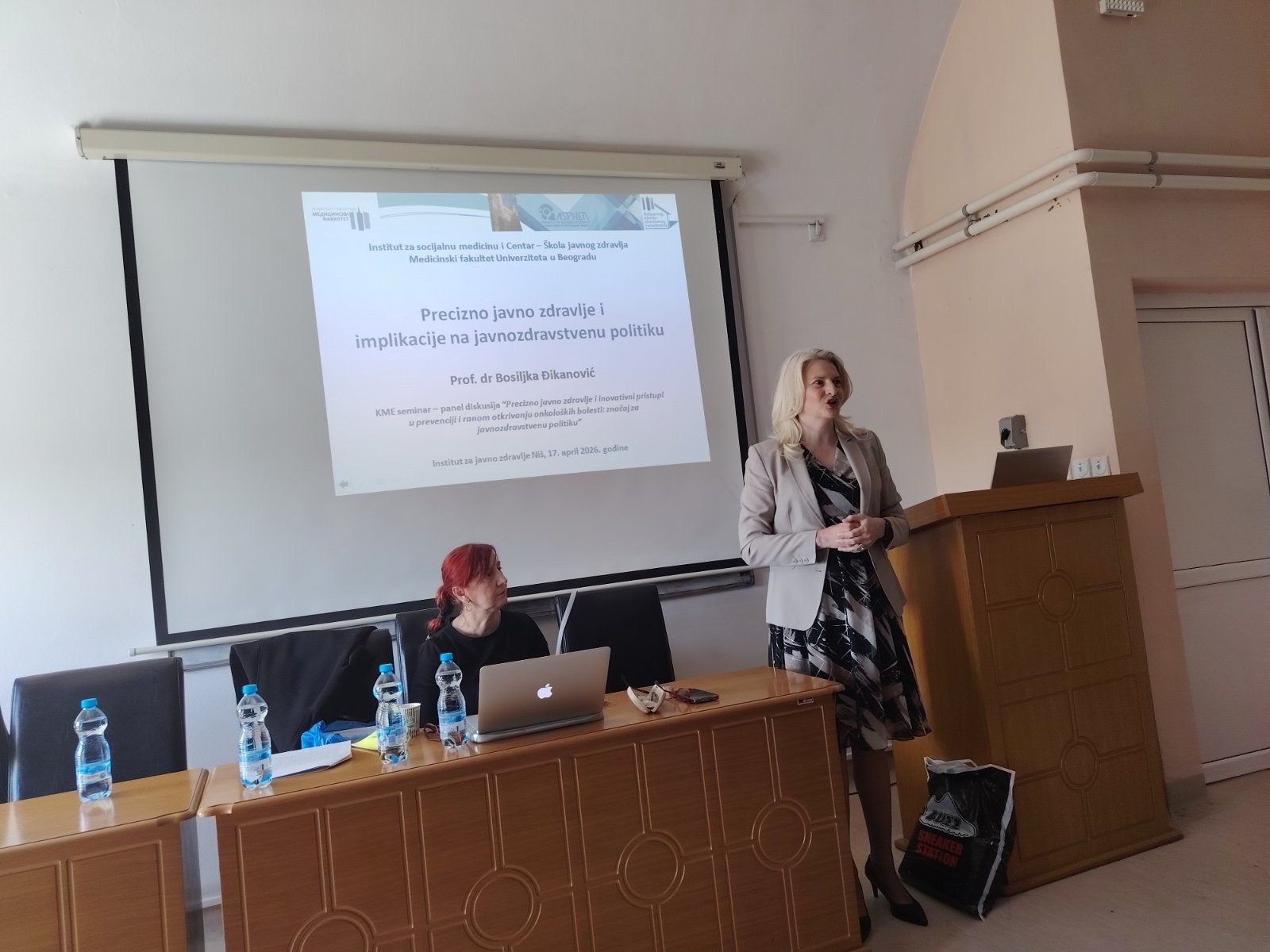
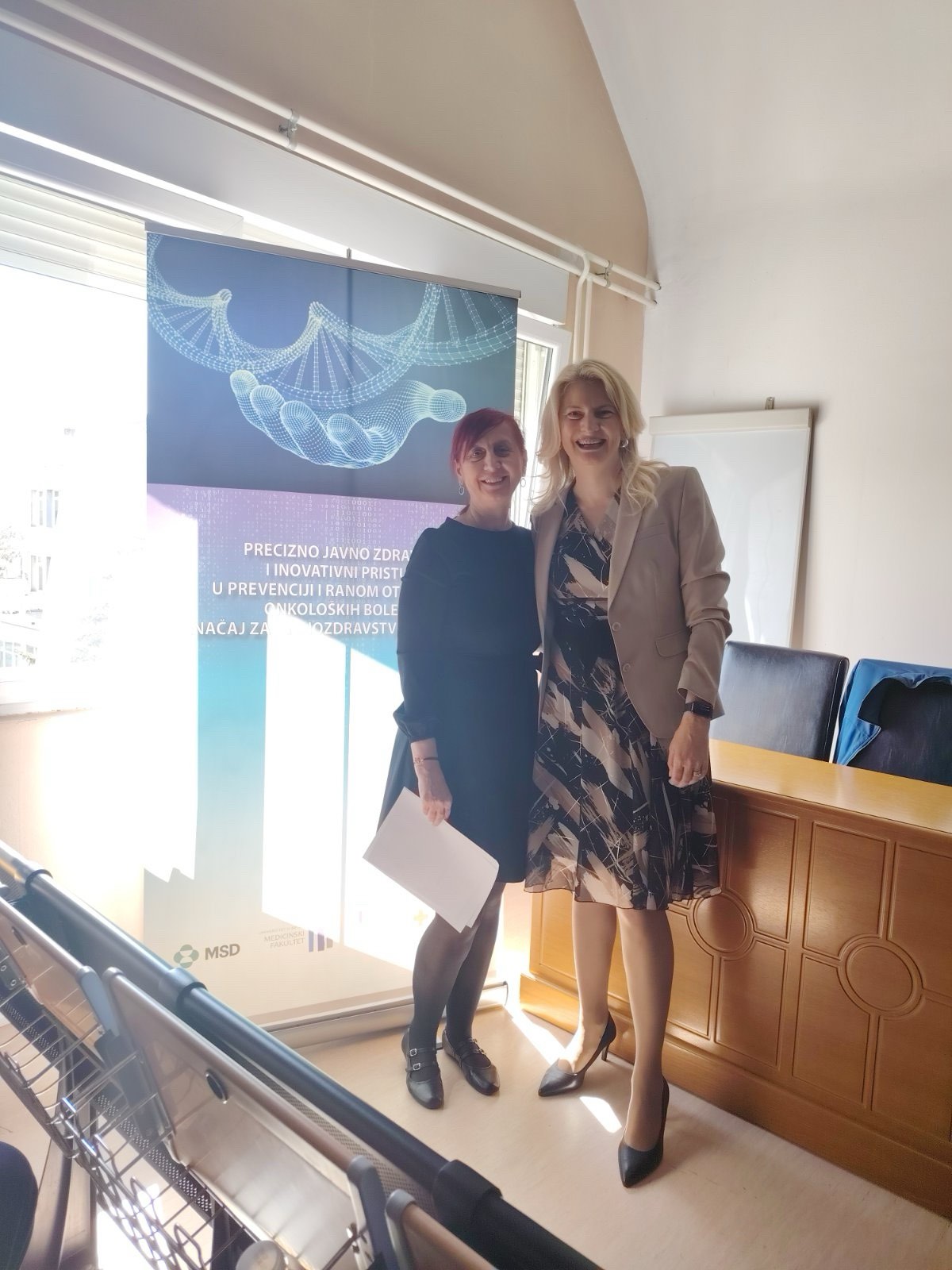
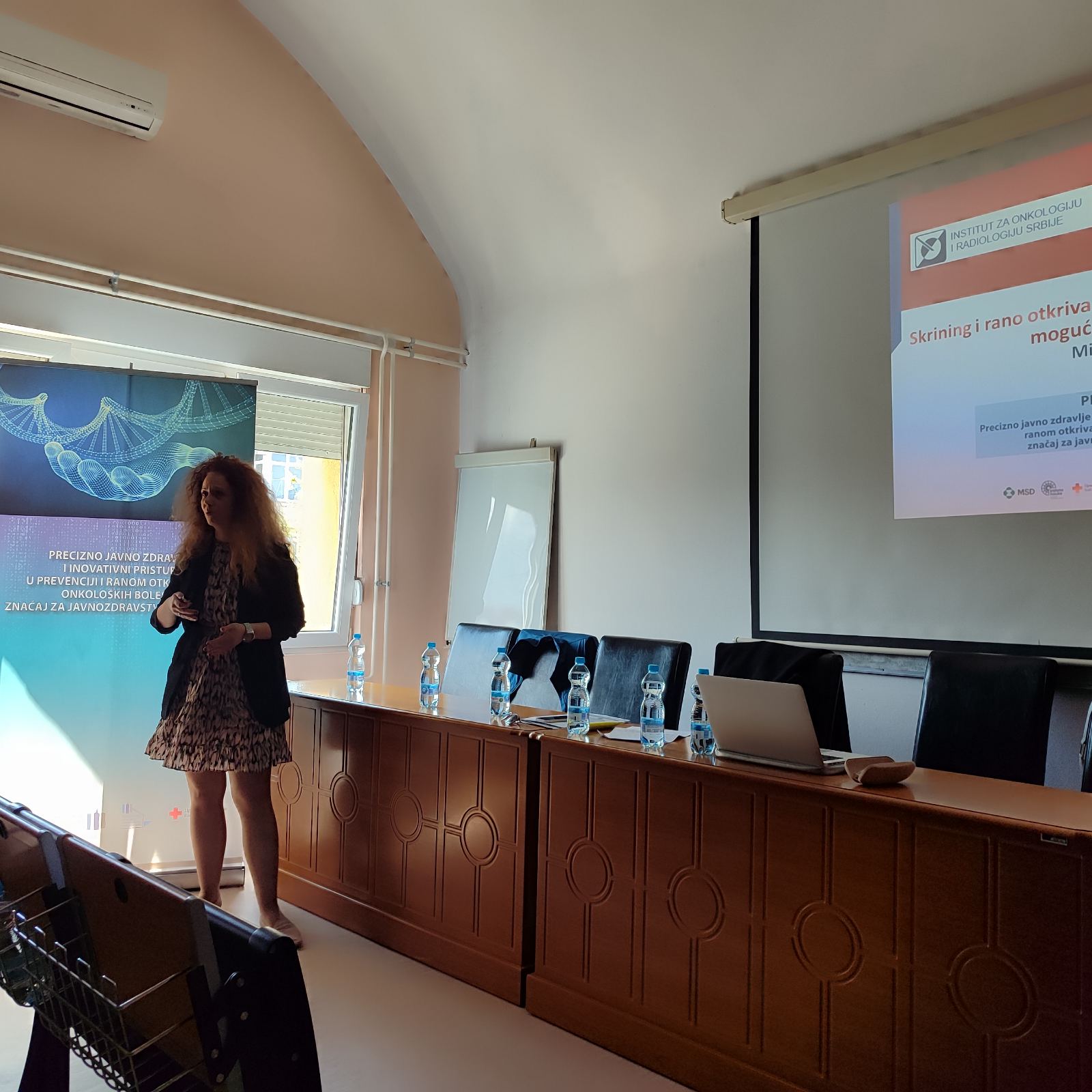
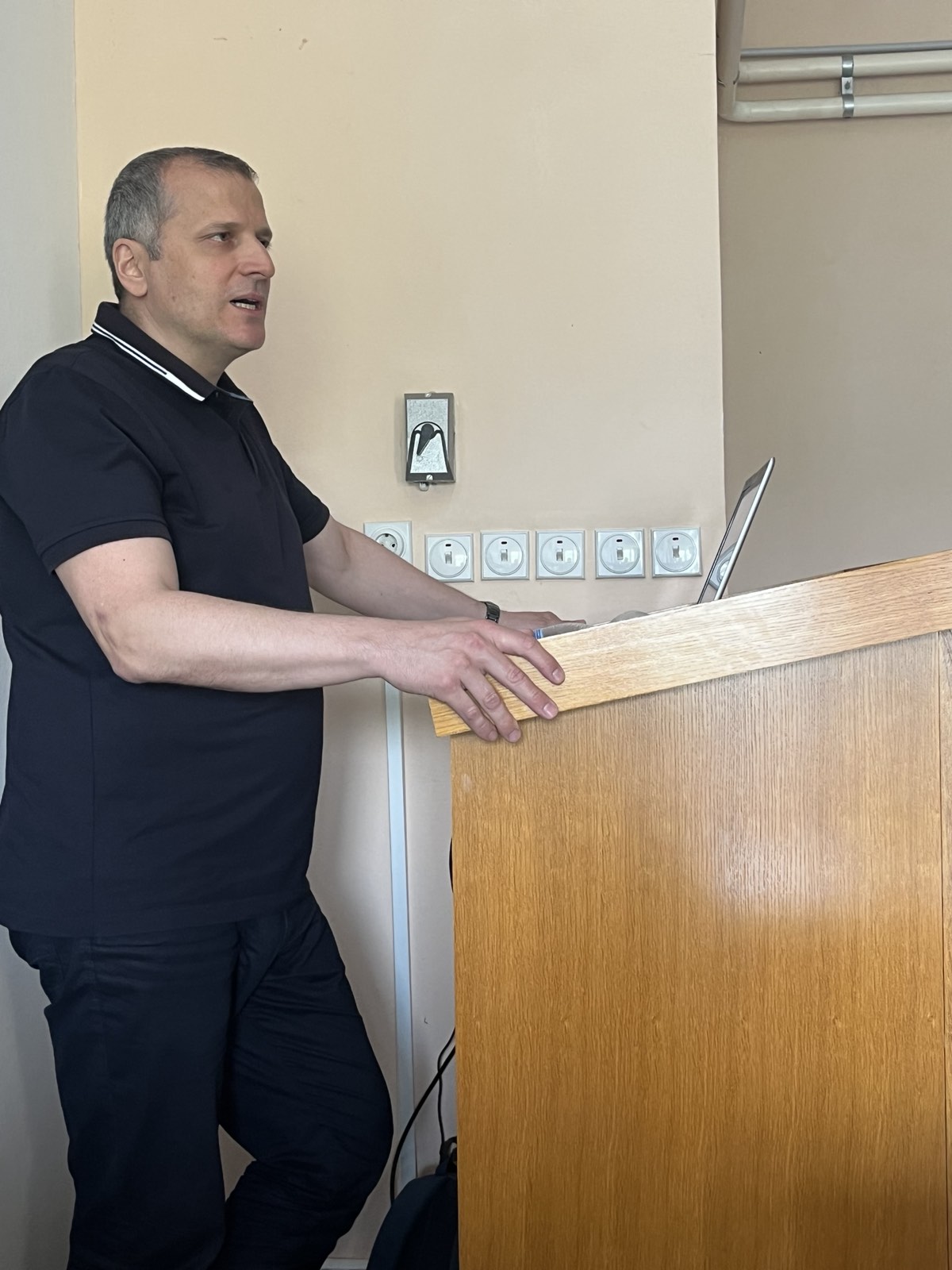
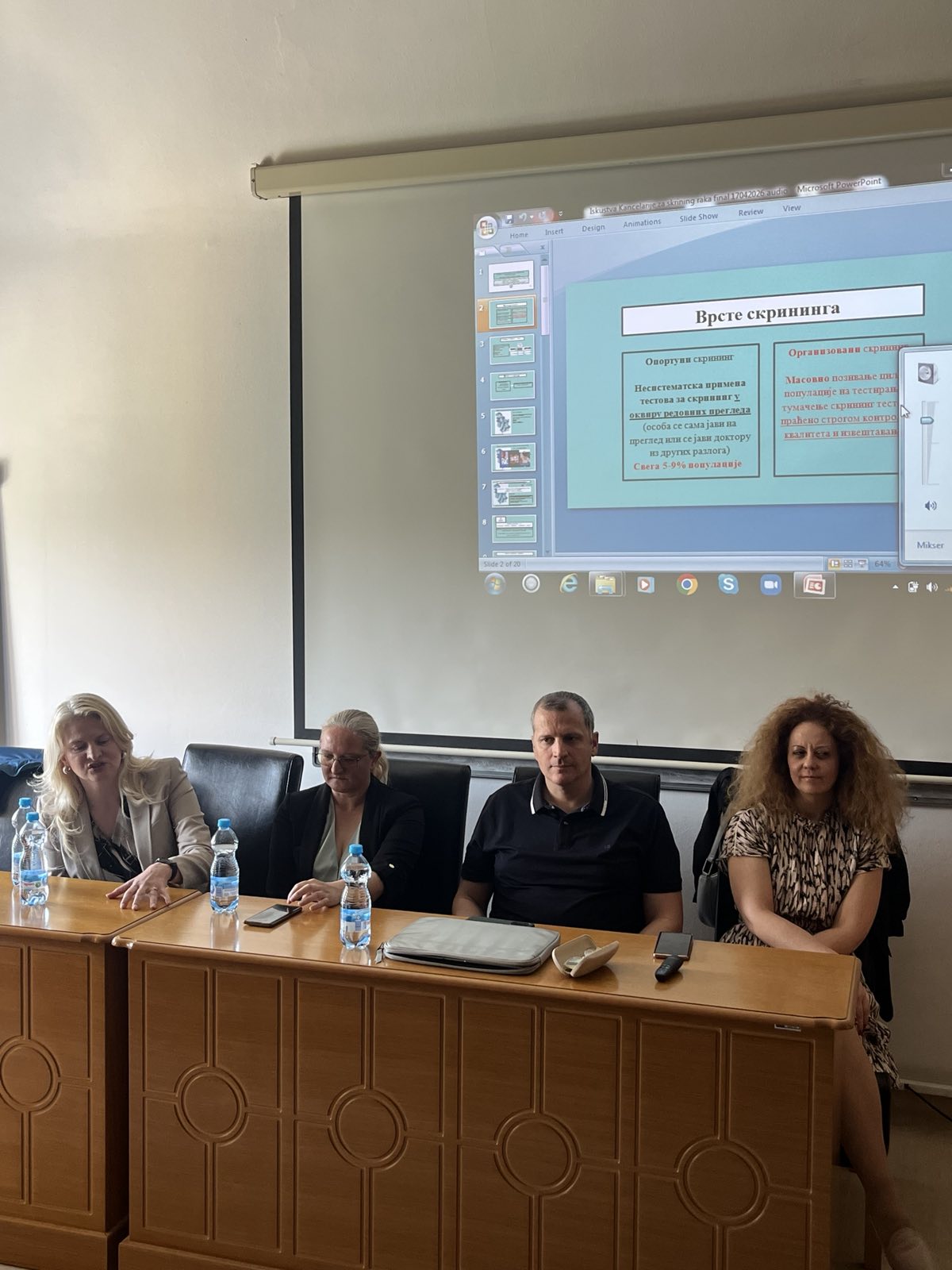
A panel discussion titled “Precision Public Health and Innovative Approaches in the Prevention and Early Detection of Cancer: Importance for Public Health Policy” was held at the Institute of Public Health Niš on April 17, 2026.
The event brought together experts and professionals from across the region in the fields of healthcare, academia, and public health, with the aim of exchanging knowledge and experiences on modern approaches to the prevention and early detection of malignant diseases.
The event was opened by Dr. Roberta Marković from the Institute of Public Health Niš, Prof. Dr. Bosiljka Đikanović from the Faculty of Medicine, University of Belgrade, and Nataša Todorović from the Red Cross of Serbia, who emphasized the importance of cross-sectoral cooperation in improving public health and developing effective preventive policies.
During the program, participants had the opportunity to hear presentations on key topics such as the application of innovative technologies in public health, the improvement of screening programs, challenges in early cancer detection, and the possibilities for integrating new knowledge into public health policies. Special attention was given to the role of digital tools and modern methods in improving the accessibility and quality of healthcare.
The discussion highlighted that, although genetics can play a significant role in the development of diseases, our genetics is not our destiny, and that prevention and timely interventions are key factors in maintaining health. It was also emphasized that healthy choices are essential for a healthy life, and that continuous efforts are needed to raise awareness about the importance of healthy lifestyles.
It was concluded that prevention must be at the center of public health policies, and that the healthcare system should be organized in a way that encourages citizens to adopt healthy lifestyles. In particular, it was emphasized that a healthy choice must be an easy choice, in order for preventive measures to be accessible to everyone and to achieve long-term results in reducing the burden of cancer.